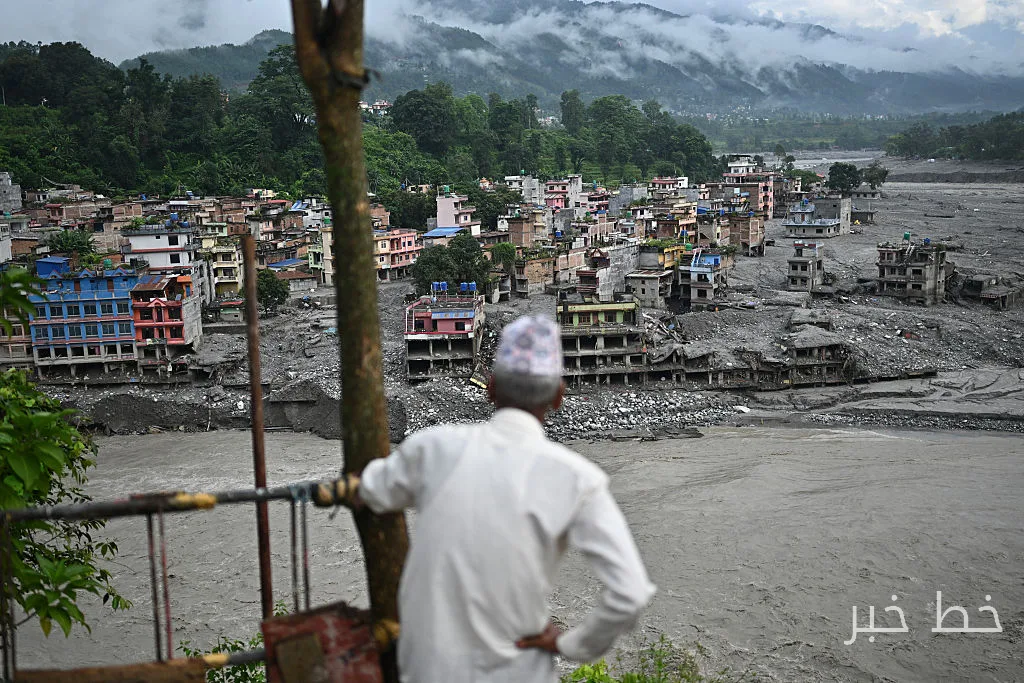
Recent floods in Nepal and Tibet have claimed the lives of 1,386 people, with around 5,000 still missing. These floods have caused extensive damage to infrastructure, hydropower projects, and even entire cities. This type of disaster is familiar and tragically repetitive for Nepal and Tibet.
Causes of the Floods
The Himalayas regularly witness deadly floods. In July 2025, a flood that originated in China entered Nepal through the Trishuli River basin, claiming 19 lives. Although the dynamics of this flood were different, glacial melting also played a role. Other floods in Indian states have also taken dozens of lives, and a similar disaster in Pakistan in 2022 affected over 33 million people.
Read more: Pollination Festival: A Unique Experience with Luke Jaram's Works in London
The precise role of climate change in the floods of August 26 in Nepal and Tibet is still unclear. The prevailing theory is that rising temperatures may lead to faster melting of permanent ice and trigger landslides. The international group World Weather Attribution (WWA), which models the role of human-induced climate change in extreme weather events, has yet to release a report on this flood.
Human Factors and Infrastructure
Climate change alone cannot explain the scale of disasters in the Himalayas. Between June and August, the northeastern Indian states, including Assam, Nagaland, and Arunachal Pradesh, experienced heavy rainfall and multiple floods. WWA found little evidence that these floods were the result of human-induced climate change. In fact, other human decisions have created conditions for disaster to occur.
Illegal urbanization, deforestation, and disruption of infrastructure have all contributed to worsening conditions. For example, unsustainable agriculture and inadequate infrastructure have exacerbated the floods. Keshab Kumar Sharma, former secretary of Nepal's Ministry of Infrastructure, believes that illegal industrial activities, including mining in riverbeds, have raised riverbed levels and increased the likelihood of floods.
The worst devastation occurred in the Rasuwagadhi area of Nepal, located on the border with China. This area is also one of the rapidly developing regions of the country, hosting new commercial projects and infrastructure supported by China. This interaction between water, infrastructure, and risk highlights the main lesson of disaster risk reduction: there is no such thing as a natural disaster.
Challenges for Tourism and Agriculture
The Rasuwagadhi region, which hosts several hydropower projects, is also an important tourist destination. The disappearance of hundreds of tourists and foreign pilgrims has drawn more attention to this disaster. Dependence on tourism also affects a community's capacity to recover. Such a disaster disrupts the tourism season and jeopardizes the economic situation of those reliant on this trade.
The National Disaster Risk Management and Reduction Agency of Nepal estimates that the floods have damaged 1,806 hectares of agricultural land. Rescue efforts in Nepal continue, and the need for emergency assistance will persist for months, with recovery potentially taking years. Floods will remain a constant threat, and the likelihood of their occurrence will only increase.
Read more: Shivan: The Foreign Minister Was Indifferent to Pollution Claims! · Ursula von der Leyen Emphasizes European Independence in Her Speech