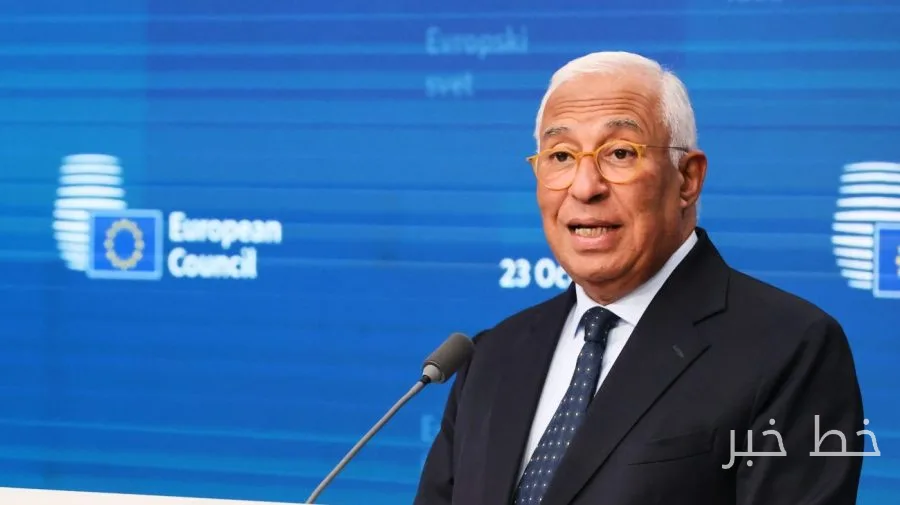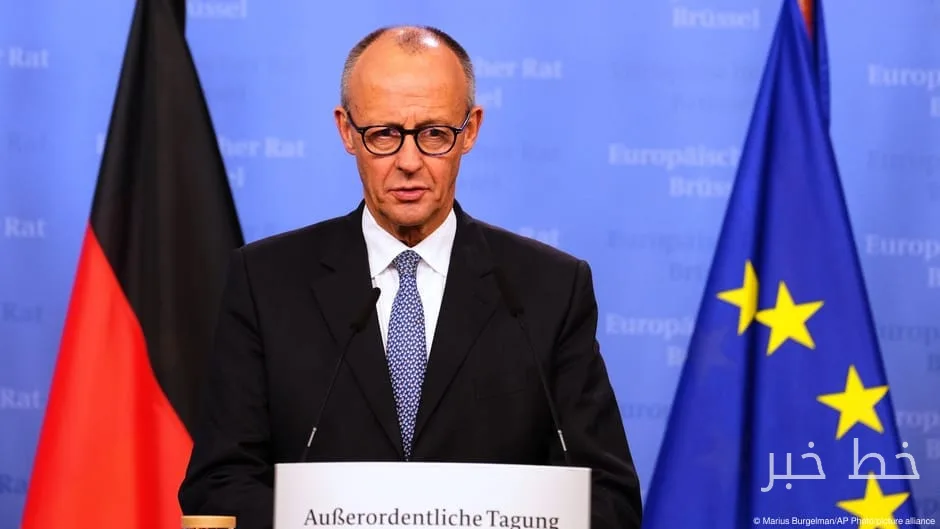
Germany and four other EU countries, including Austria, the Netherlands, Greece, and Denmark, have initiated talks to examine a plan to deport rejected asylum seekers to Rwanda. This news was announced on Monday by the Austrian government.
Details of the new plan
This group had previously announced in September the idea of creating "hybrid returns" in a non-EU country. The announcement on Monday follows the introduction of new EU regulations to expedite the deportation process and establish return centers outside the EU bloc.
Read more: The European Commission is reviewing the cooperation agreement with Israel
Although Rwanda has not been officially declared as the chosen country, informed sources from the ongoing negotiations have told Reuters and AFP that this country is in preliminary talks with the group of countries. Rwanda was also a destination for a similar plan established under the previous Conservative government of the UK, but this plan failed in British courts.
Difference from the UK plan
The new EU plan differs from the UK plan; as this plan is intended only for migrants who have exhausted all legal avenues in the EU. Member countries, especially in light of rising anti-immigrant sentiments and increasing support for far-right parties, are trying to demonstrate that they are taking action on immigration.
The leaders of these five countries stated that this plan is in line with EU regulations, but it has faced significant criticism, particularly regarding sending migrants to a country with which they have no connection. The Council of Europe, a pan-European human rights body, warned in July that establishing such centers poses serious risks to human rights.
Research indicates that claims suggesting this plan acts as a deterrent are incorrect, and there is no evidence of its deterrent effectiveness. Roberto Furian, a researcher at the Mixed Migration Centre, stated: "Implementing the laws changes how people travel, rather than stopping their travel. Some may pause or change their route, and traffickers will also raise prices."
The choice of Rwanda as a destination has also been controversial. President Paul Kagame has been particularly accused of suppressing dissent and supporting the M23 rebel group in the Democratic Republic of the Congo. Clémentine de Montjoye, a senior human rights researcher in Africa, said: "Paying Kigali to host the deportation program not only causes suffering and harm to those being deported but also empowers a government responsible for serious human rights violations both domestically and abroad."
Read more: US representatives meet with Volodymyr Zelensky in Dublin · Friedrich Merz travels to Munich to discuss with CSU