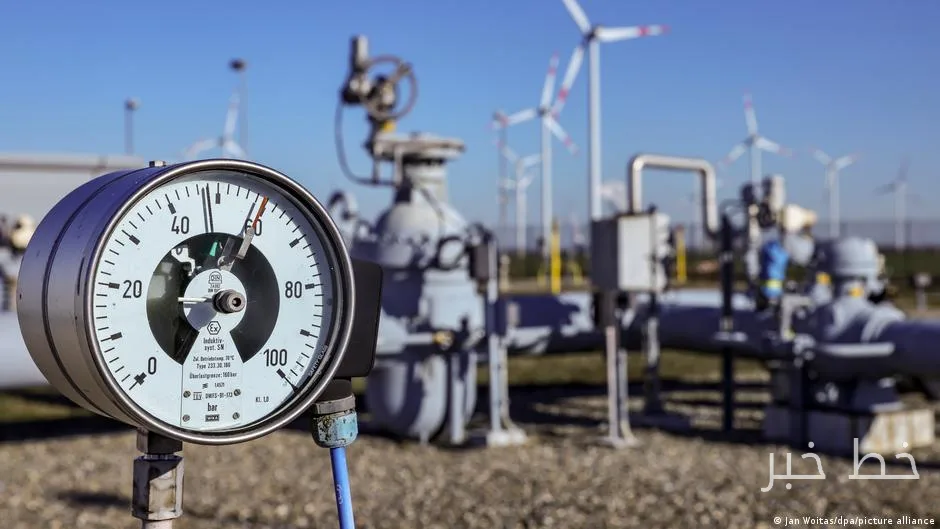
As of mid-September 2026, Germany has stored about 141 terawatt-hours of gas, which constitutes only 57 percent of the country's total storage capacity. Given that nearly 134 terawatt-hours of gas were withdrawn from storage last winter, concerns about gas shortages in the upcoming winter have increased.
Concerns About Gas Reserves
Markus Söder, the Prime Minister of Bavaria, has recently called for federal government intervention. Meanwhile, the Green Party has accused the Minister of Economy of negligence, stating that gas storage facilities are not full and that we are facing a potential shortage.
Read more: The Silence of the Treasury on Negotiations with China Before the Trump-Xi Meeting
Some experts do not find the current situation alarming and believe that gas supply contracts are currently solid and reliable. Charlie Grunberg, spokesperson for the German Gas and Hydrogen Association, stated that anyone who has contracted their gas needs with a reliable supplier will receive the agreed amounts.
Outlook for Gas Supply in Winter
However, Sebastian Heinermann, CEO of the INES Association, expressed more caution regarding the state of gas reserves. He pointed out that filling gas storage facilities to about 77 percent may be possible, but this requires filling at a level that has not been observed even once in the past three weeks. If this trend continues, by November 1, the filling level will only reach about 65 percent.
Nadia Afani, spokesperson for the Federal Network Agency of Germany, announced that gas supply in Germany is stable and there are no signs of supply shortages. The German Ministry of Economic Affairs and Energy also emphasizes that there are currently no signs of supply shortages and is monitoring all developments to ensure supply security.
As we approach the cold season, gas prices typically rise. Currently, gas prices in the futures markets have increased to over 80 euros, and some experts predict that if winter is cold or if supply disruptions occur, prices may rise rapidly.
The German Ministry of Economy has pointed out that current prices for winter futures contracts are only slightly higher than spot market prices, and the usual pattern of buying cheap in summer and selling at higher prices in winter is currently absent.
Many experts believe that better incentives are needed for filling gas storage facilities in the future, and a reliable market framework that guarantees sufficient reserves in the long term with incentives or commitments is essential.
Read more: Macron Urges the European Union to Ease Energy Regulations · Friedrich Merz in the Dilemma of Germany's Economic Reforms