Germany is increasingly changing its cautious approach towards China. For years, Berlin has avoided taking a hard stance against what the European Union describes as China's unfair trade practices.
Economic Pressures and Strategy Shift
In recent months, this caution — fear of China's reaction that could harm German exports — has given way to a willingness to escalate actions. A letter has clearly warned China that this action is necessary against countries that "deliberately seek to undermine fair market conditions through political or economic means."
Read more: Increased criticism of Trump's oil deal with Russia while he announced a Ukraine energy ceasefire
The Chinese Ministry of Commerce has warned Europe that if it pursues such a plan, it will face "consequences." These threats come at a time when significant trade negotiations are taking place between the European Union and China in Beijing.
Declining Market Share and Increased Competition
According to data from Germany Trade & Invest, China has dropped from being Germany's second-largest export market to the ninth since 2021. Competitors in China are rapidly closing the technological gap and benefiting from lower costs and government subsidies. This pressure is particularly felt in Germany's automotive, precision engineering, and chemical industries.
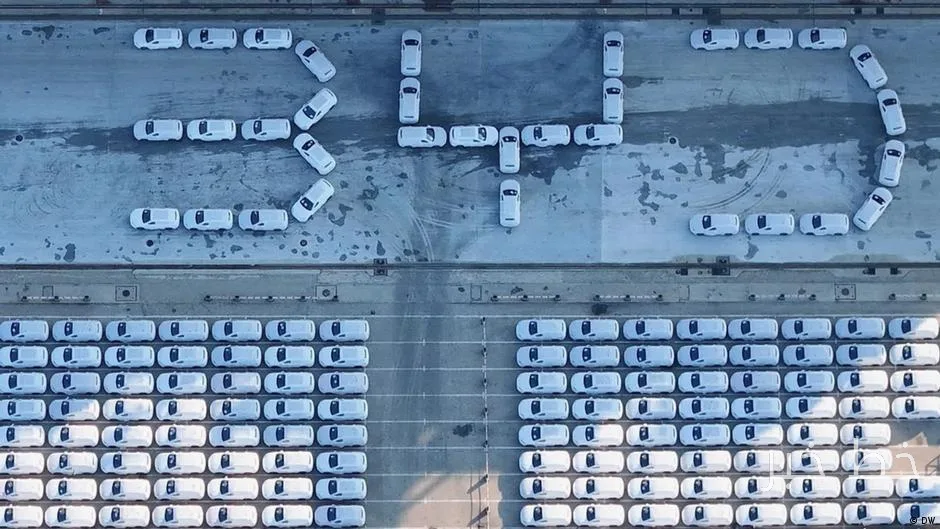
German car manufacturers are facing declining sales in China, which was once considered their second-largest market. According to data from the Rhodium Group, German car exports to China are expected to decline by 66% between 2022 and 2025.
Major German brands are now facing intense competition from a new wave of Chinese electric vehicle manufacturers in other major markets, including Europe, leading to widespread adjustments and potential factory closures.
In Germany alone, imports of new cars made in China increased by 121% in the first seven months of the year, reaching nearly 14% of total car imports.
Pressure from the powerful German automotive lobby has been key to changing Berlin's attitude towards trade defense tools. Among many German business leaders who have called for a tougher approach in recent months, Oliver Richtsberg, head of foreign trade at VDMA, has clearly stated that "we are currently being industrially eliminated due to unfair practices, and most companies are no longer willing to accept this."
Given the current situation, Germany is seeking ways to protect its industries and prevent escalating tensions with China. The European Union seems poised to face significant challenges on this path.
Read more: The outlook for Republicans in Congress darkens due to electoral changes · Thomas Massie supported Trump's deal with Russia for diesel