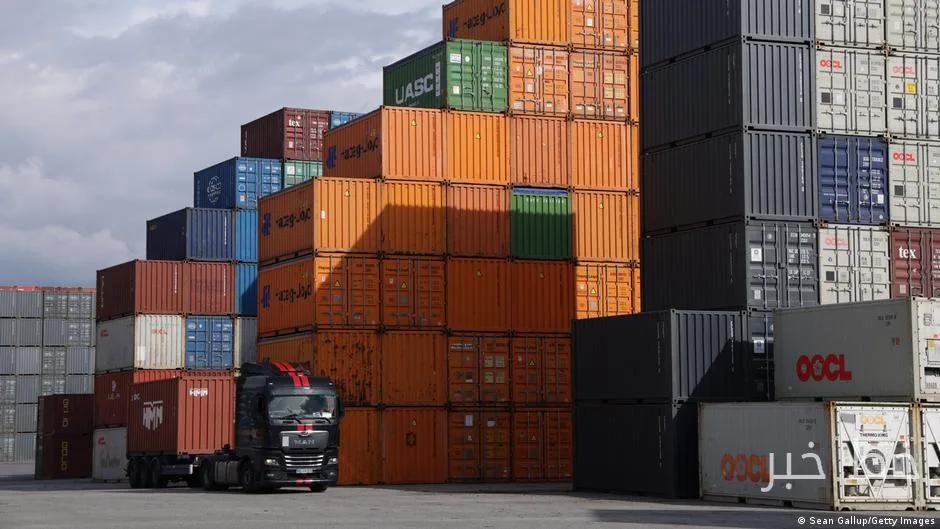
The International Monetary Fund (IMF) has increased its forecast for Germany's economic growth for 2026 to 1.3 percent, nearly doubling the previous forecast of 0.7 percent made in July. The institution also predicts that the largest economy in Europe will face a growth of 1.1 percent in 2027.
Factors Influencing Economic Growth
The German government has experienced stronger demand in exports and developments related to artificial intelligence by investing in infrastructure and defense, which has helped improve the economic situation. The German Ministry of Economy has also stated that the country's economy has performed well compared to expectations and has managed to navigate economic crises despite rising energy prices and uncertainty regarding U.S. tariffs.
Read more: Trump Administration Announces New Diesel Statement
These forecasts align with recent reports from the German government. Currently, the global growth forecast has also increased to 3.1 percent, up from 3.0 percent in the previous forecast. In this context, strong investment in artificial intelligence has helped mitigate the negative effects arising from the war in the Middle East. Additionally, increased oil production outside the Persian Gulf and reduced demand in China have lessened the negative impacts of this crisis.
Grape Harvest Situation in Germany
However, this year does not seem to be a good year for grape harvesting in Germany. Estimates indicate that this year's grape harvest will reach 20 percent below the ten-year average, amounting to 8.7 million hectoliters, which is approximately 7 million hectoliters. This figure is lower than the harvests of previous years, which were 7.7 million hectoliters in 2025 and 7.8 million hectoliters in 2024, respectively.
More precise statistics from some grape-producing regions have yet to be released, but generally, harvests have varied significantly across different areas. The age of the grapevines and their ability to retain water in the soil have been important factors in their resilience against this year's drought. Older vines with deeper roots have coped well with the drought, while younger vineyards and vines in soils that retain less water have suffered more damage and, in some cases, required irrigation.
Overall, the IMF's new forecasts indicate a positive shift in Germany's economic outlook, but serious challenges remain in the agricultural sector, particularly in the grape production industry.
Read more: Dan Bacon Called Trump's Oil Deal with Russia Unethical · Bernie Sanders Called for a Ban on Super Artificial Intelligence