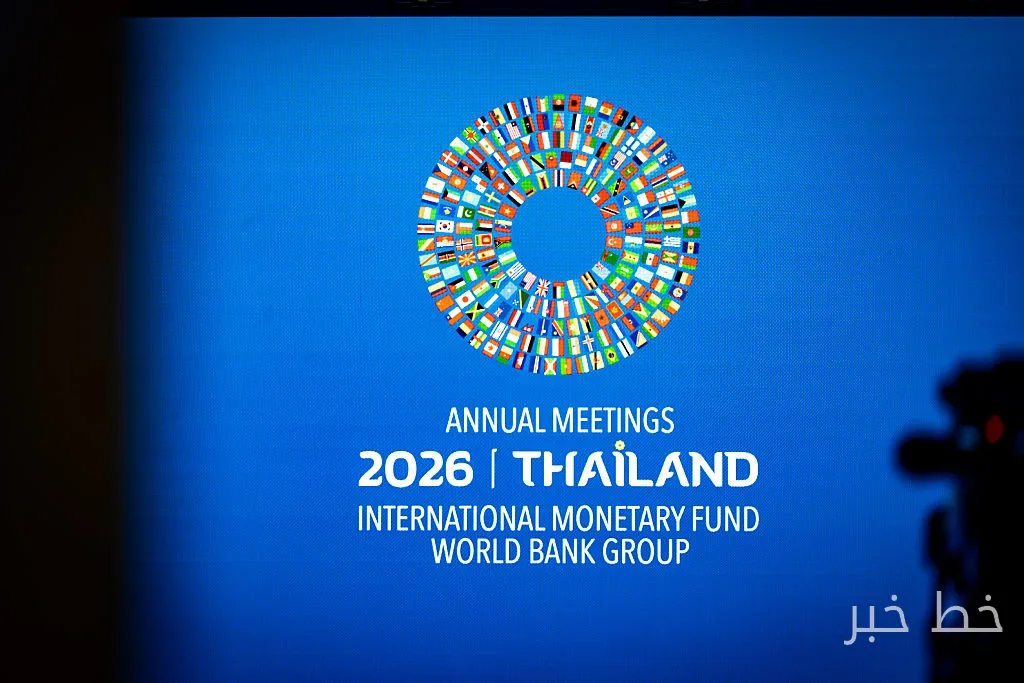
The meeting of leaders of international financial institutions in Bangkok focuses on economic challenges and climate change. The war in Iran, artificial intelligence, and the rising debt burden of various countries are at the forefront of this meeting.
Challenges and Bright Spots
Despite some bright spots, the economic situation is very challenging. The war has led to rising fuel prices and consequently increased inflation. At the same time, public debt has risen dramatically, and the International Monetary Fund (IMF) warns that this trend is unsustainable. Significant investment in artificial intelligence has also been mentioned as a positive factor in preventing the worsening of economic conditions in some countries.
Read more: Germany and France agree on support for the European automotive industry
Impact of Climate Change
It seems that climate change, which was previously a top priority for international financial institutions, is gradually being removed from the agenda. However, with closer scrutiny, it can be seen that climate change and the use of clean energy play a significant role in economic performance. Climate events have exacerbated the debt challenge in developing countries. On the other hand, clean energy has acted as a vital defensive mechanism that has prevented the worsening of the energy price crisis in areas where it is widely used.
United Nations Development Programme Report
The recent report from the United Nations Development Programme (UNDP), released concurrently with the autumn meetings, addresses existing challenges while rarely mentioning climate change directly. This report refers to the "triple shock": high borrowing costs, rising energy prices, and severe weather events caused by the El Niño phenomenon this year.
The policy responses proposed in this report are clearly not climate policies and are often considered detrimental to climate efforts. The most commonly mentioned response is fuel price support, which includes subsidies or tax reductions on fuel. According to the report, global fuel subsidies may exceed $١ trillion this year.
However, this approach is not sustainable, and the response to rising prices continues. In countries that are more dependent on imports, long-term structural changes are emerging, including investment in renewable energy, energy efficiency, and electrification.
Read more: The German Parliament approved a program to pay pensions to children · The European Union seeks to strengthen artificial intelligence to compete with the US and China