Governments act as responsible and leading energy policy laboratories. While the federal government is increasingly retreating from this area, states are demonstrating their ability to implement effective and advanced energy policies.
Energy Challenges and the Role of States
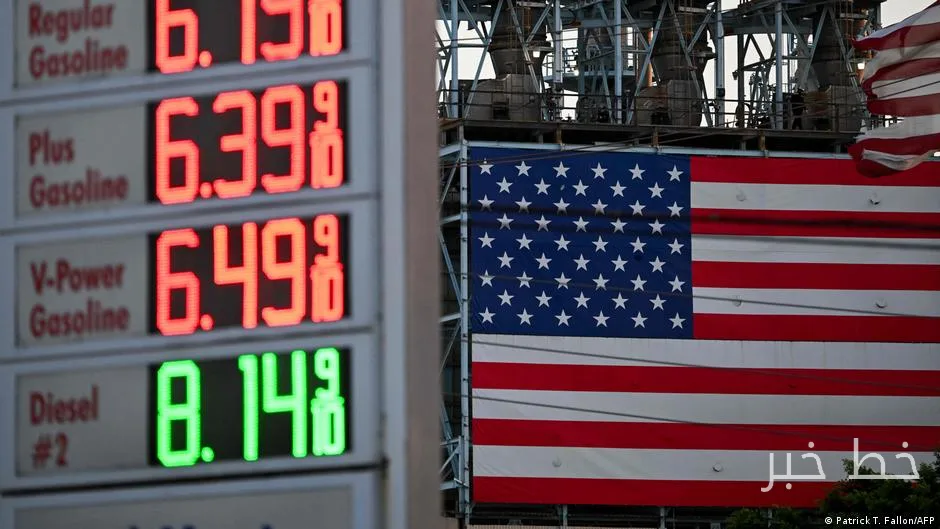
The energy crisis is a bitter reality that many countries around the world are grappling with. This crisis has not only led to economic problems but has also had significant impacts on the environment and society. In this situation, states as local entities can play a key role in improving the situation. They can help reduce dependence on fossil fuels and increase the use of renewable resources by creating innovative and sustainable energy policies.
Leading State Policies
Many states are currently taking steps to develop renewable energy. These actions include investing in solar, wind, and other clean resources. For example, California and Texas are recognized as pioneers in this field. These states have helped attract new investments and create green jobs by setting regulations and financial incentives for the utilization of renewable energy.
Additionally, states can promote new research and innovations in the energy sector by collaborating with private entities and universities. These collaborations lead to more effective solutions for the energy crisis and help society move towards a more sustainable future.
Ultimately, these states can show other countries and entities how to respond to major global challenges by creating new models in energy policy. This approach not only benefits the states but can also help improve quality of life and preserve the environment.