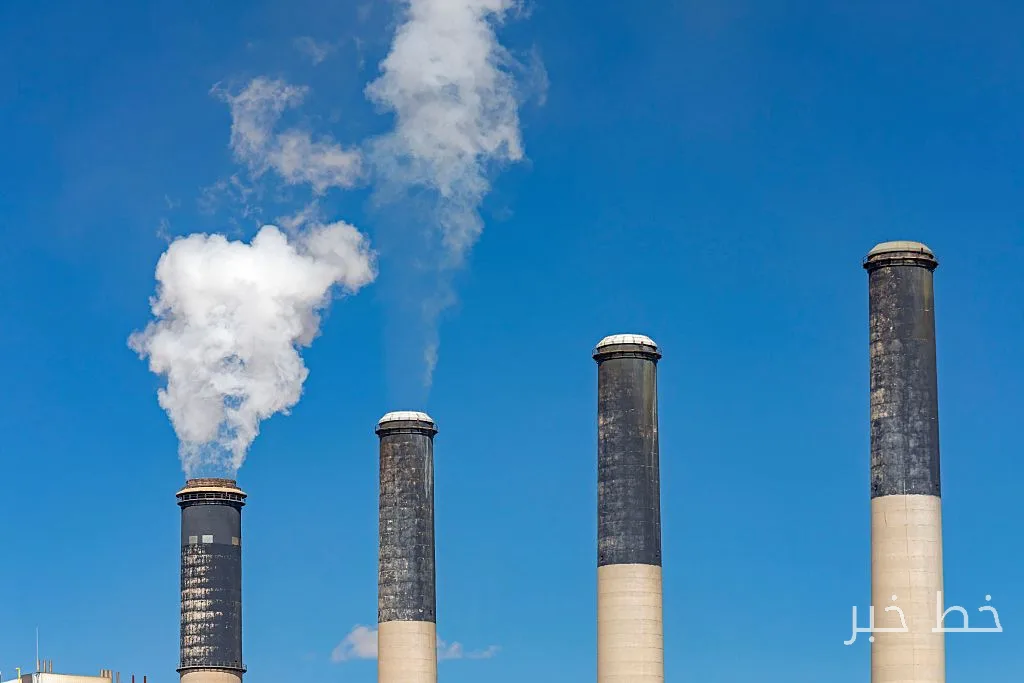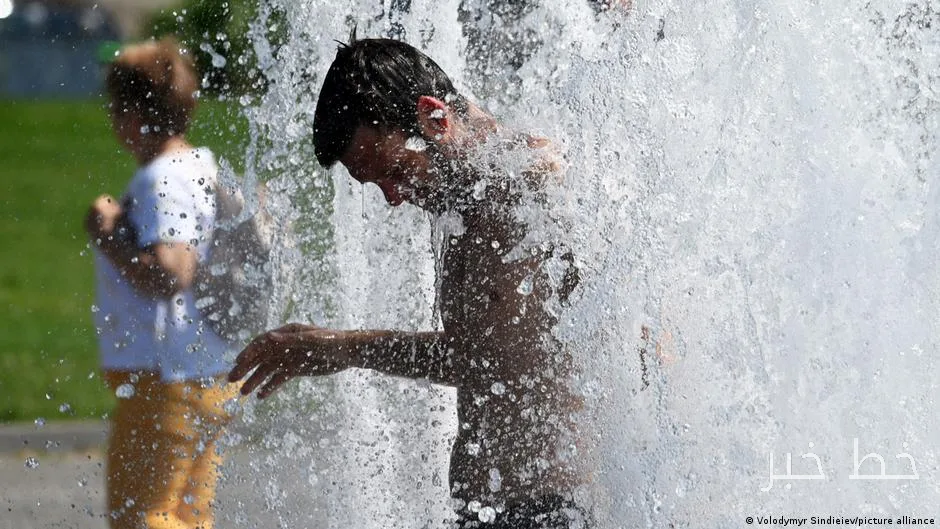
According to a report from the Copernicus Climate Services (C3S), 52% of the European continent experienced "very severe" heat stress by the end of this summer. This heat stress means temperatures felt above 38 degrees Celsius. Additionally, about 80% of Europe suffered from "severe heat stress," where temperatures are felt above 32 degrees Celsius.
Dimensions of Heat Stress in Europe
Heat stress refers to a condition where the temperature and humidity are so high that the body cannot cool down through sweating. This summer was the third hottest recorded in Europe and the hottest summer ever experienced in Western Europe. Samantha Burgess, Deputy Director of C3S, stated that this heat was notable not only for its intensity but also for its geographical extent.
Read more: Release of a deer in New Jersey that was trapped with a pole and net
Economic and Environmental Impacts
The Copernicus Services also reported that rivers in Europe experienced their lowest average flow since records began in 1992. This summer, 56% of the European ocean was significantly warmer than the recorded average, and 22% of it reached historical highs for sea surface temperatures in the summer.
Burgess also noted that drought affected nearly half of Europe by the end of summer. She said, "This was one of the defining features of this summer, as records appeared simultaneously across the climate system." Reports indicate that tens of thousands of people lost their lives due to heatwaves in Europe, which had negative impacts on economic activities and agricultural yields.
Some cities, like Paris, even temporarily restricted the sale of alcoholic beverages as temperatures repeatedly rose above 40 degrees Celsius in parts of the continent. In some areas of Europe, air conditioning is not common, and many people prefer to stay indoors or go to pools to cool off.
Moreover, the heatwaves and dry conditions of this summer led to widespread wildfires in southern France and the Andalusia region of Spain. The largest wildfire in history in the state of North Rhine-Westphalia, Germany's most populous state, occurred in August and resulted in evacuations until the fire was brought under control.
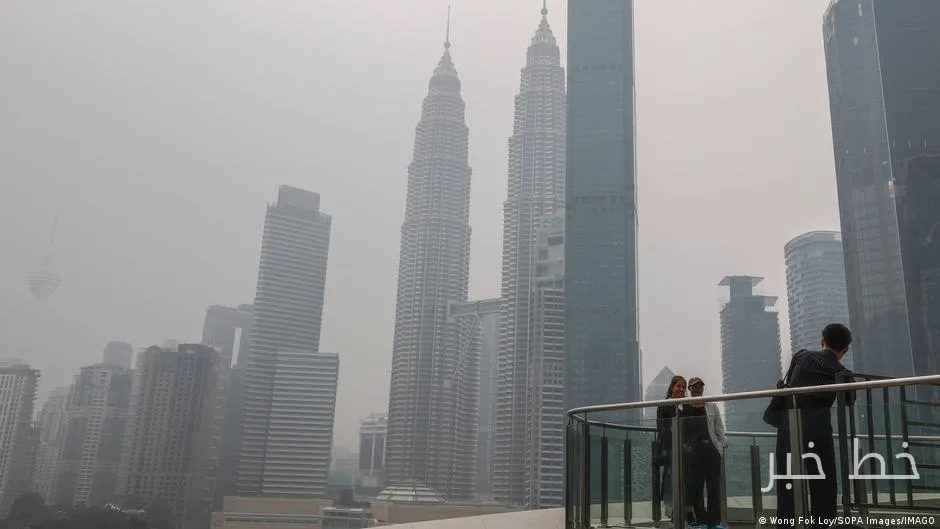
Wildfires not only damage buildings but also create harmful air pollution in the environment. The impacts of this situation on public health and the environment are significant and highlight the urgent need for action to address climate change.
Read more: Expansion of the preferential access area in Ghana benefiting small fishermen · El Niño will continue until spring 2027