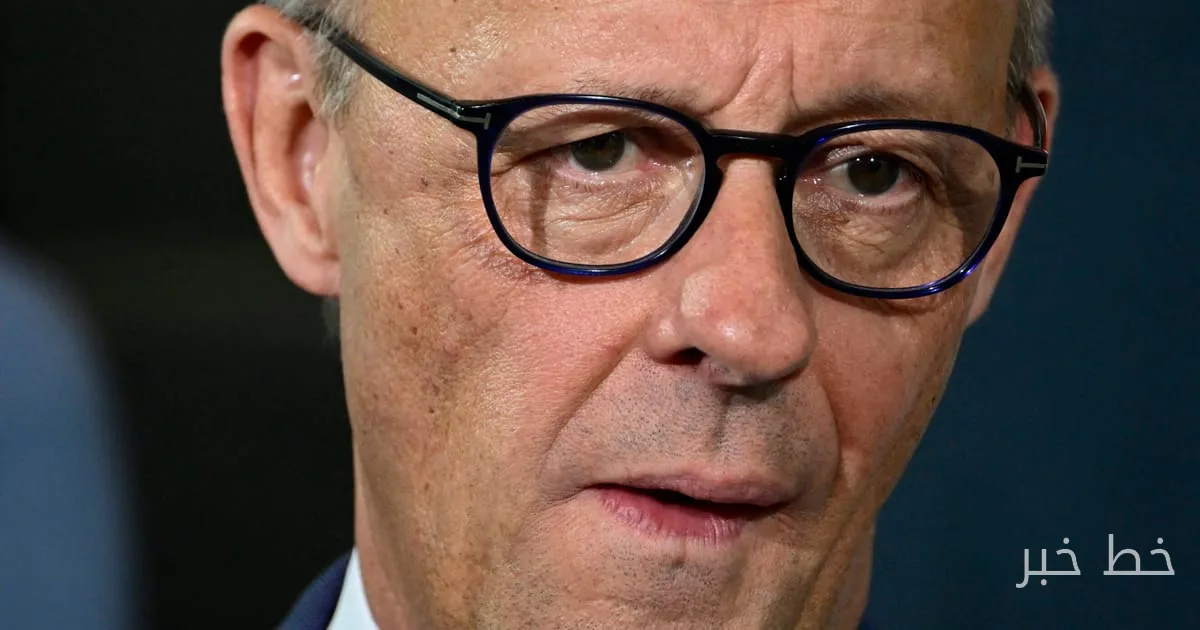
The CDU party (Christian Democratic Union) of Germany faced a historic defeat in the state elections, failing to enter the state parliament for the first time in the history of the Federal Republic of Germany. This result not only deals a major blow to the party's credibility but also creates serious challenges for its leadership. Friedrich Merz, the party leader and Chancellor of Germany, is trying to maintain his position by making swift decisions.
Pressure on SPD and the Need for Reforms
The SPD party (Social Democratic Party) is also under significant pressure, especially after disappointing results in Berlin and a decline in votes in the state of Mecklenburg-Western Pomerania. Anke Rehlinger, the Minister-President of Saarland and Deputy Chair of the SPD, in a 200-second interview, called for fundamental changes in government policies and emphasized that real reforms, not just cost-cutting lists, are needed to restore voter trust.
Read more: Sweden's Democrats Defeated in Recent Elections
New Developments in Berlin
While the Left party (Die Linke) has emerged victorious in the Berlin elections, a new power structure is taking shape. Maximilian Stascheit has examined the challenges facing the Green party, which, despite relatively weak results, may play a key role in forming future coalitions. He also pointed out the unresolved issue of antisemitism within the Left party and its impact on future coalitions.
In this complex situation, parties must carefully listen to the needs of voters and provide effective solutions. The recent elections have shown that ignoring public demands can lead to unfortunate outcomes.
Read more: Friedrich Merz Prepares to Maintain His Position as Chancellor of Germany · Carsten Breuer Appointed as NATO's Senior Military Officer