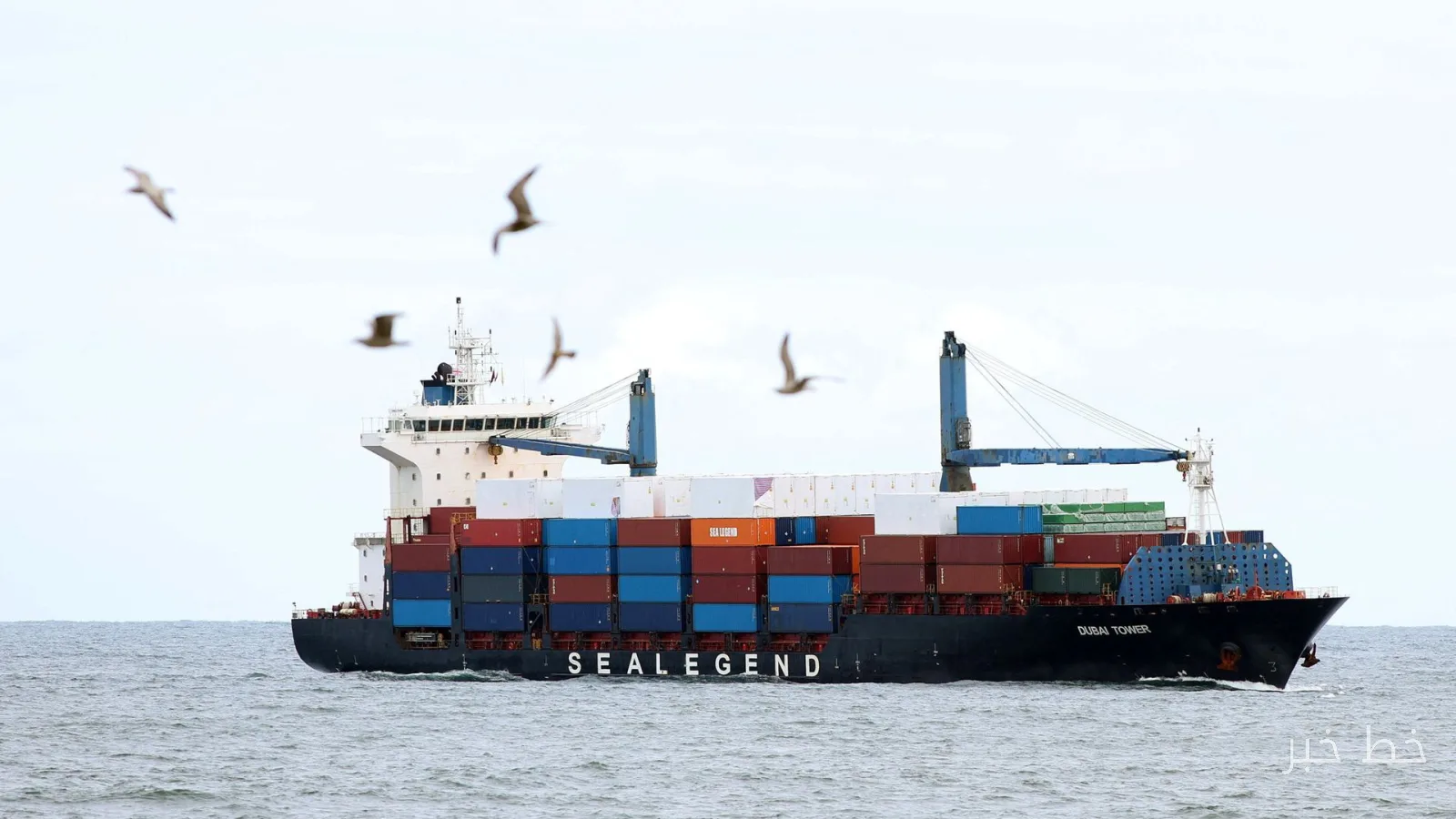
In a remarkable development in the maritime transport industry, a container ship that began its historic journey from China has recently arrived in Britain. By passing through the Arctic route, this ship not only significantly reduced the distance but also demonstrated that this route could be presented as a safer and more efficient option compared to the Suez Canal.
Why the Arctic Route?
The Suez Canal, which is considered one of the most important and busiest maritime routes in the world, has always faced its own specific challenges. From political straits to environmental issues, this canal has been under pressure several times in recent years. Therefore, the entry of ships into the Arctic route could mean reduced transport time and also lower costs.
This ship, which is following unprecedented successes in past voyages, is not using this route for the first time. However, it seems that given the weather conditions and climate changes, these voyages have become increasingly attractive. Experts believe that with the continuation of this trend, we will witness an increase in the number of ships passing through this route.
The Future of Maritime Transport
Given the obvious advantages of this new route, many shipping companies are looking to invest in larger and more equipped ships to utilize this path. These developments come at a time when supply chain crises and fluctuations in the global market have increased the need for faster and more efficient solutions.
Ultimately, the journey of this container ship is not just a milestone in the history of maritime transport, but the beginning of a significant change in how we think about global trade and economic routes. Will we see a boom in this route in the not-so-distant future?