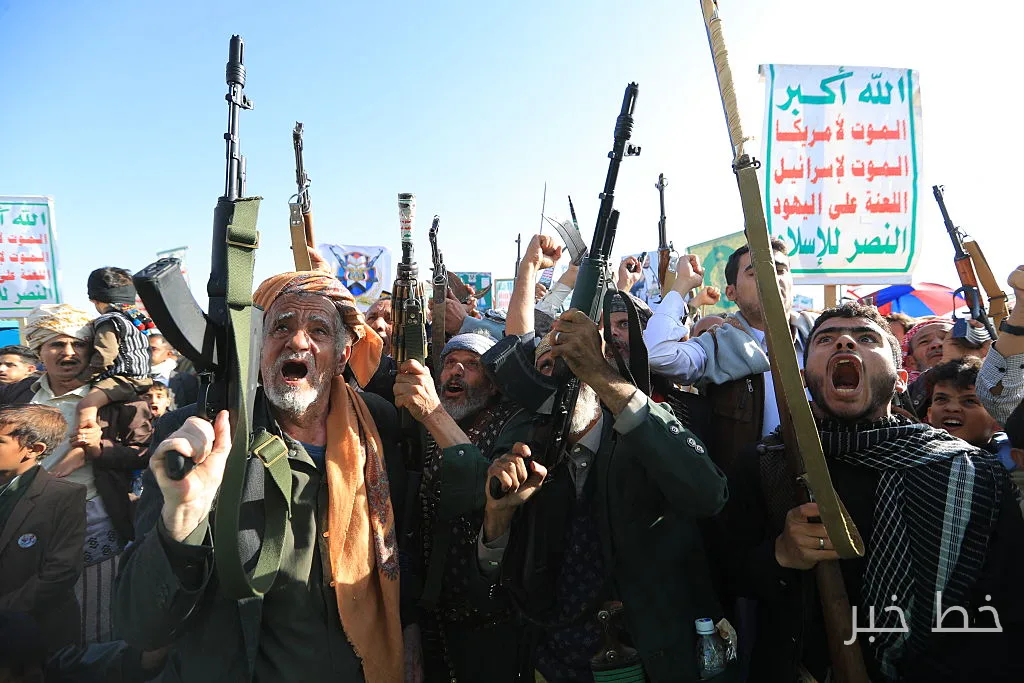
The Houthis have announced that they will continue their attacks on Saudi Arabian airports and the country's oil facilities. This comes as the Gulf Cooperation Council has stated that the timing of the Gulf-Europe meeting will be changed due to "the ongoing efforts of the Houthi terrorist militia to target civilian infrastructure in Saudi Arabia."
New Houthi Provocations
On Wednesday, the Houthis announced a new operation targeting deep into Saudi Arabia. Yahya Saree, the military spokesman for the Houthis, described these locations as "legitimate targets" and stated that the attacks are a response to Saudi attacks on Yemen. Saudi-led forces reported that they intercepted a ballistic missile fired by the Houthis towards Riyadh. Meanwhile, local reporters have reported loud explosions in the Saudi capital.
The Yemeni Civil War and Its Impacts
This escalation of hostilities comes after weeks of fighting between Iran-backed Houthis and the Saudi-backed government in Yemen, breaking a four-year unofficial ceasefire in the country's civil war. In September, the Houthis announced that they had seized the strategic island of Perim, located in the Bab al-Mandab Strait. This island is recognized as a key maritime point. They also captured several other islands to strengthen their control over the Red Sea coasts.
Amid concerns that the Houthis' stronger position along the coasts may limit global energy supplies, Saudi-backed forces recaptured key areas around the strait in early October. The Houthis then focused more on Saudi airports and energy infrastructure.
The attack on Tuesday night on the executive offices of Aramco in the eastern city of Dhahran resulted in a limited fire, which the Saudi Ministry of Energy confirmed. No injuries have been reported. Saudi officials stated that several other missiles and drones were intercepted at various locations, and debris fell, injuring four people in the capital, Riyadh.
Saudi Arabia also attacked an oil depot in the suburbs of Yemen's capital, Sana'a, on Tuesday, which appears to be a response to the Houthi attack on King Khalid International Airport in Riyadh, which resulted in 13 deaths and over 300 injuries.
Saudi Arabia is known as the largest buyer of American weapons in the world. However, it faces challenges in defending itself against the Houthis. Experts cite the vastness of Saudi territory as one of the reasons for defensive failures. The border between Saudi Arabia and Yemen is over 800 miles long.
Operations at King Khalid Airport have been halted due to these attacks. Airlines including Etihad, Qatar, and Philippine Airlines are among those that have suspended their flights to Riyadh.
Read more: Widespread protests in India against the removal of millions of voters from electoral rolls · Attack on King Fahd Airport in Dammam canceled 53 flights