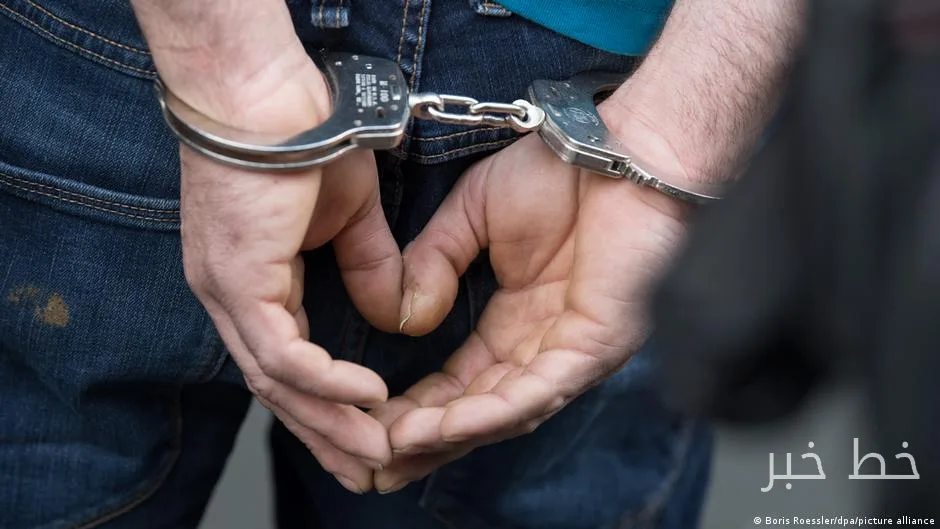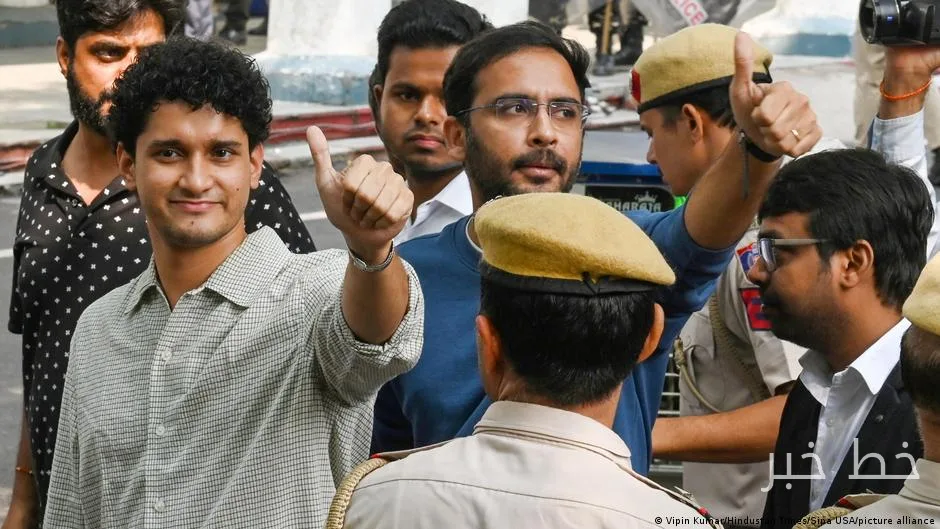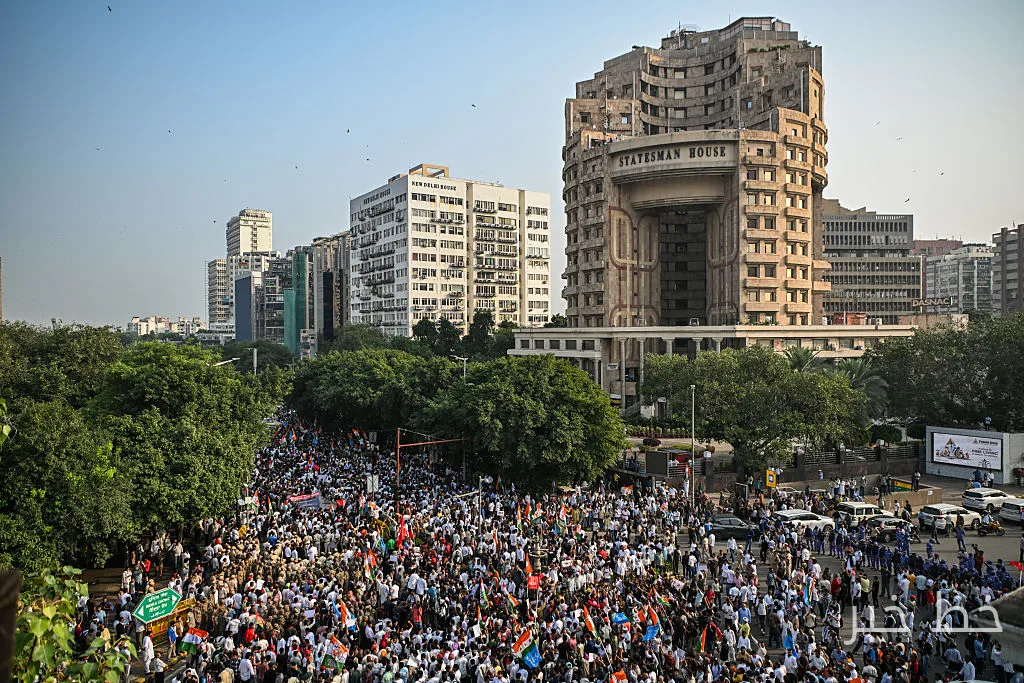
Thousands in New Delhi, the capital of India, protested on October 12, 2026, against the widespread removal of voters from electoral rolls. These protests occurred as the Indian government deployed over 20,000 police and military personnel to the area and cut off internet access. By the evening of that day, more than 7,000 people, including opposition party leaders and lawyers, had been arrested by the police. However, protests continued with even greater intensity on Monday, with demonstrators demanding the resignation of the Chief Election Commissioner of India and the cancellation of the electoral review process known as the 'Special Intensive Review' (SIR).
Details of Voter Removal
The Chief Election Commissioner is responsible for India's national electoral body and is appointed based on the recommendations of a committee headed by the Prime Minister. The SIR process, which ostensibly aims to clean up and update electoral rolls, has removed over 130 million people from these lists, which is more than half the number of eligible voters in the U.S. midterm elections.
Read more: Claudia Sheinbaum After Two Years of Presidency in Mexico
These issues began in the summer of 2025, when several Indian states were set to hold elections for their state assemblies. The Election Commission announced the need for a 'clean-up' of the electoral rolls, and voters were required to prove their citizenship and voting rights by providing documentation from a specific list. Election Commission officials reviewed the documents and either accepted or rejected them.
Legal Challenges and Consequences
Civil groups and political activists quickly protested these electoral reviews in the Supreme Court of India, questioning whether the Election Commission had the authority to conduct reviews of this magnitude. Indian election law allows the Commission to make revisions to electoral rolls, provided that it documents its reasons in writing. However, petitioners argued that this power does not allow the Commission to require voters to reprove their eligibility. They also pointed out that the list of acceptable documents from the Commission effectively excludes many individuals, leading to widespread voter removals.
Meanwhile, the Supreme Court of India issued no ruling regarding the legality of these reviews, and this action effectively became a reality. This was while the court was engaged in long-term discussions with the Election Commission regarding the documents that voters must provide. The court had also been addressing whether national identity documents (Aadhaar) would be acceptable.
However, even as legal discussions continued, removals from electoral rolls increased. In West Bengal, where the BJP led by Narendra Modi had never won a state election, nine million people—about 12 percent of voters—were removed from the lists. The Supreme Court of India ultimately established a new administrative mechanism, forming committees headed by judges to review the requests of removed voters. After petitioners warned that these committees might take years or even decades to address all requests, the Supreme Court judges effectively announced that these individuals would not be able to vote in upcoming elections.
The elections in West Bengal were held using the new electoral rolls, and the BJP emerged victorious. Evidence shows that about 90 percent of voters who appealed eventually returned to the lists. However, despite the increase in removals, the Supreme Court of India indicated that the data did not suggest 'systematic removal.'
Ultimately, the Supreme Court issued a ruling in the summer of 2026 that validated the entire process and granted the Election Commission broad powers to conduct reviews. This ruling effectively exempted the Commission from the need to adhere to proportional principles in practice. According to a legal expert, this ruling created a 'permanent class' of removed individuals who effectively cannot participate in political life. The consequences of this situation soon became evident, as the new BJP government in West Bengal threatened multiple times to cut welfare benefits for individuals removed from the electoral rolls.
Read more: Mike Johnson Raised the Possibility of Returning to Louisiana · Vince Vance Campaigned in Ohio