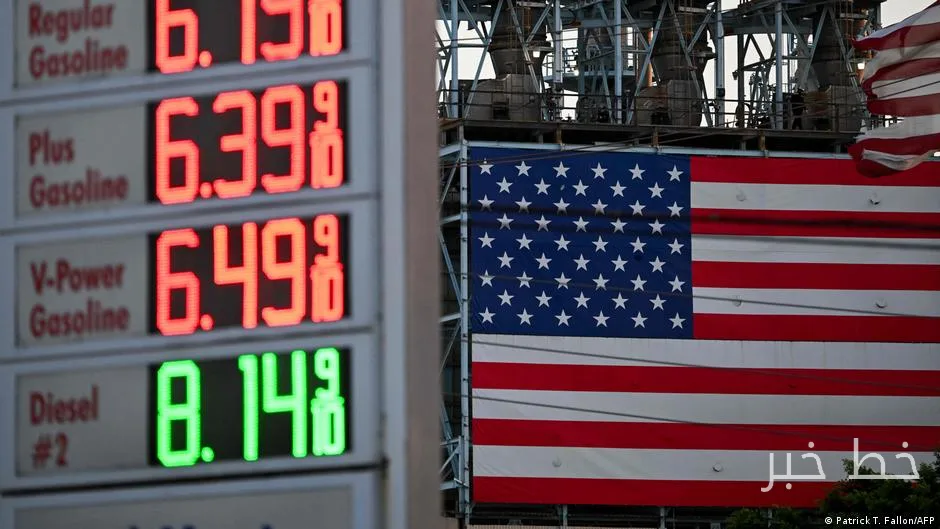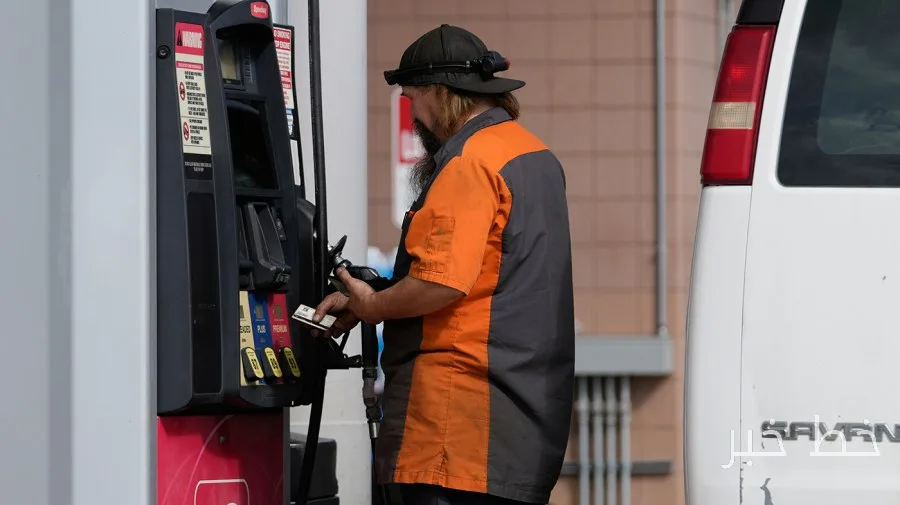
The increase in gasoline prices to nearly $4.50 per gallon, following the war with Iran, has led to a rapid rise in requests for the suspension of federal and state fuel taxes in the U.S. This situation has placed significant financial pressure on families and working individuals in various states.
State Actions to Reduce Prices
This week, the states of Indiana and Georgia have taken steps to reduce or suspend their fuel taxes. These actions are aimed at easing conditions for citizens and lowering fuel costs at gas pumps. For example, Georgia Governor Brian Kemp recently announced that he is working to help people by reducing fuel taxes.
Read more: Increase in the price of the Deutschlandticket to €66.80 in Germany from 2027
Economic Challenges Due to War
The war in Iran, as a key factor, has impacted global oil prices, which directly affects domestic gasoline prices as well. In this context, economic analysts believe that the continuation of this situation may lead to increased inflation and pressure on households.
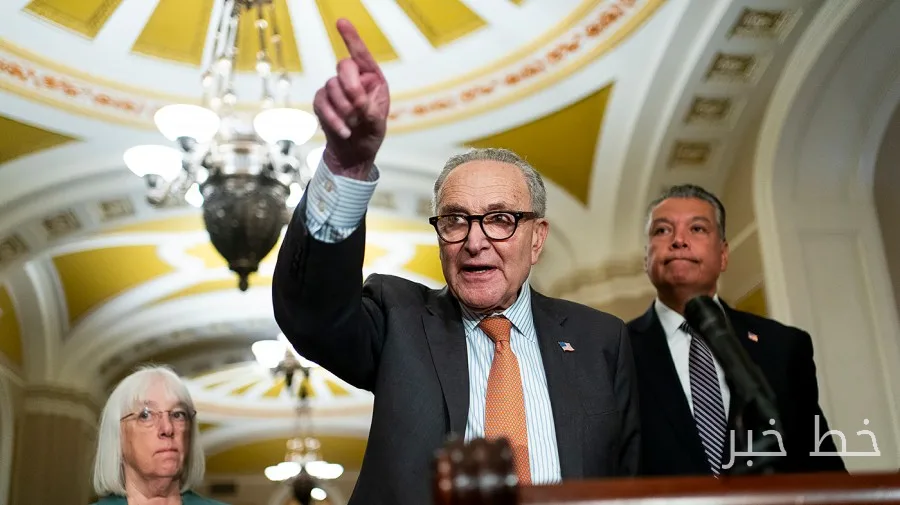
It is anticipated that if this trend continues, other states will also respond positively to requests for the suspension of fuel taxes. Currently, this issue has become a hot topic in Congress, and politicians are trying to find solutions to alleviate the economic pressure on the people.
However, some experts warn against the suspension of fuel taxes, arguing that this action could negatively impact state budgets. They suggest that instead of suspending taxes, governments should seek more sustainable solutions to reduce fuel prices.
Ultimately, it seems that this issue will become one of the main economic challenges this year, and it remains to be seen how governments will respond to these requests and what actions will be taken to support citizens.
Read more: Lawmakers urged officials to reject the sale of AES · Stability of inflation in the U.S. as diesel prices exceed $6 per gallon