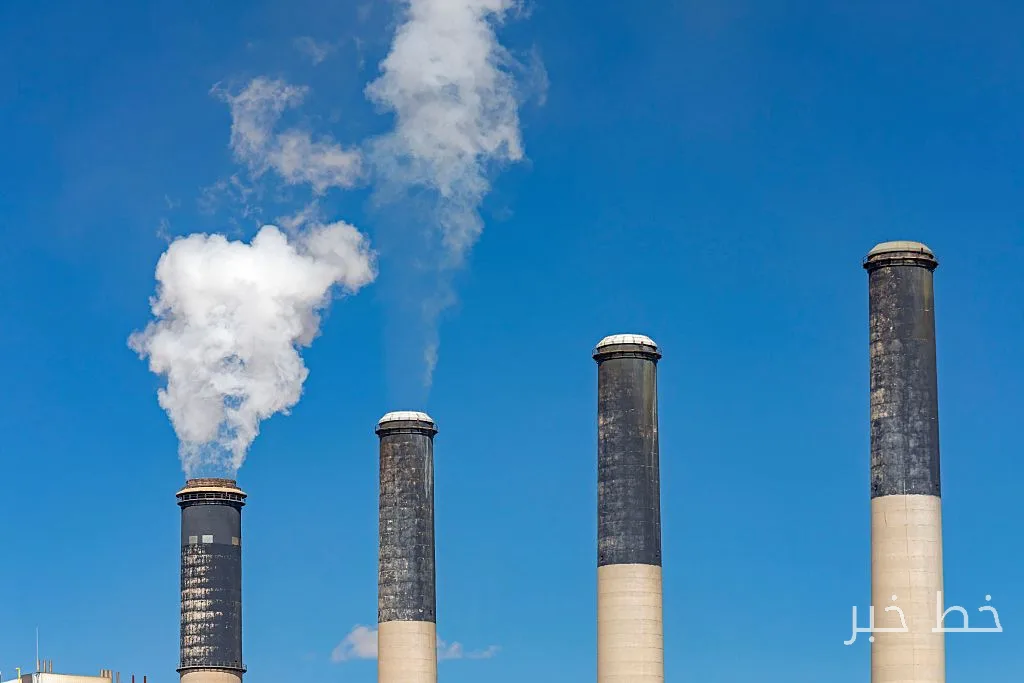
Heat waves in Europe have significantly intensified in recent years, attributed to greenhouse gases emitted after the Paris Agreement in 2015. According to Jared Truk, a PhD student in Earth Systems Science at Stanford's Doerr School, this study indicates that emissions since the signing of this agreement have significantly impacted the intensity of heat waves in Europe.
Serious Consequences of Heat
These findings come in the wake of heat waves this summer that have broken temperature records and resulted in the deaths of at least 35,000 people. The Paris Agreement is an international treaty aimed at combating climate change, with the goal of limiting global warming to 1.5 degrees Celsius above pre-industrial temperatures.
However, since then, the world has significantly exceeded this target, and under current climate policies, temperatures are projected to reach 1.8 degrees Celsius according to optimistic estimates. Every tenth of a degree of additional temperature can have profound impacts on weather conditions, including increased intensity of weather phenomena, loss of ecosystems, and flooding in coastal cities.
New Predictive Model
Researchers have created an artificial intelligence model to assess how heat waves in Europe are exacerbated by varying levels of gas emissions. This model has made predictions about how heat waves will occur under different levels of gas emissions using simulated data from 10 global climate models.
Truk explains that this model has access to real weather data that has caused heat waves from 2016 to 2025 and has made predictions under the gas emission levels of 2015 and current levels. The results indicate that emissions over the past decade have increased the intensity of heat waves in 2025 by nearly one-third of a degree Celsius.
Although this increase may seem trivial, scientific research shows that even small changes in temperature can have disproportionate effects on the damages caused by heat waves.
Scientists have long known that fossil fuels can trap greenhouse gases in the atmosphere and raise global temperatures. This research also serves as a warning, as it shows that previously emitted greenhouse gases will have their effects on the climate, even if significant efforts are made to reduce them.
Read more: Trump Administration Again Reduces Protection for Endangered Species