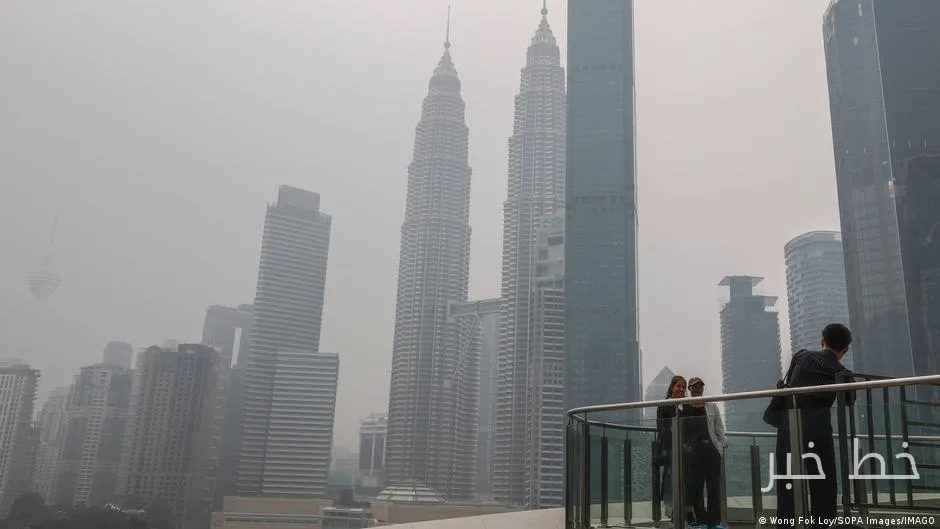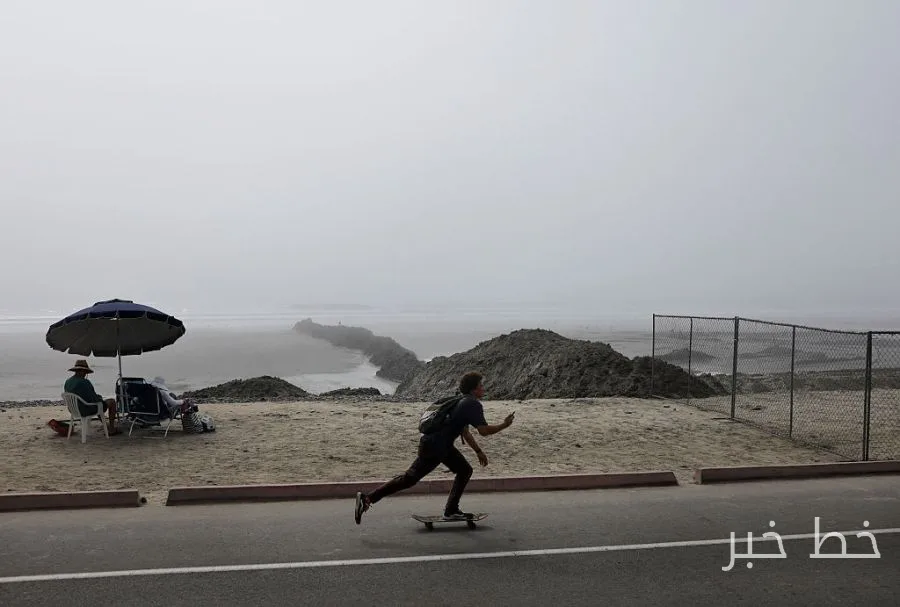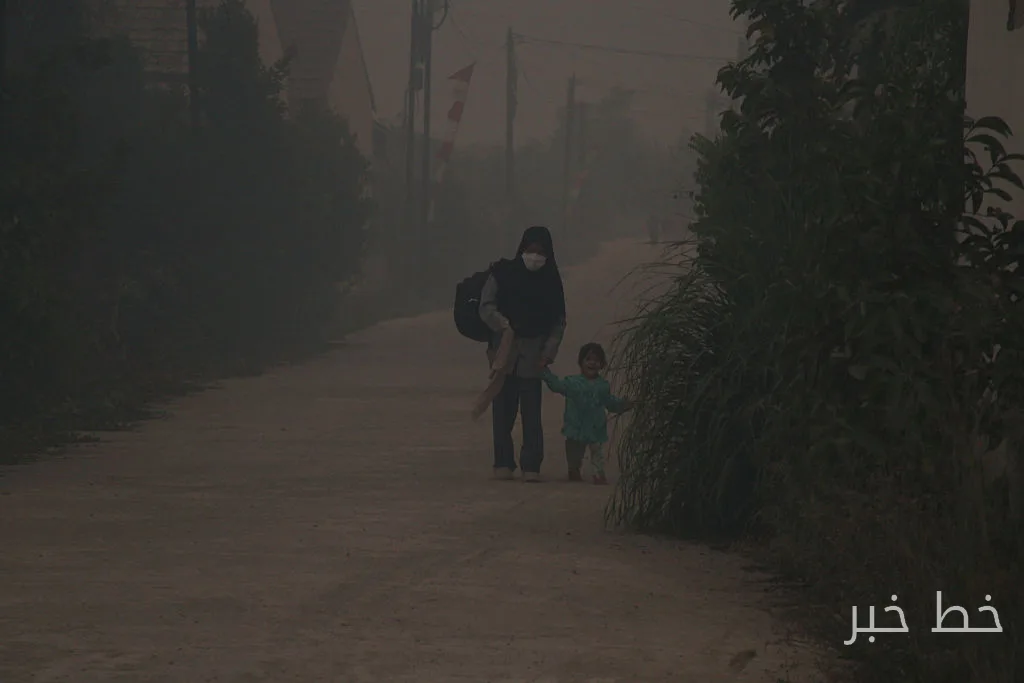
Indonesia is facing the worst fires in 11 years, and these fires have created a thick haze that has impacted over 12 million people and spread to neighboring countries.
Severe Fire Conditions
The fires in seven provinces of the islands of Borneo and Sumatra have been burning for several weeks. Dry conditions and drought associated with a strong El Niño have made it difficult to control these fires. These fires typically occur during specific seasons in the country when farmers and companies burn vegetation to clear land. According to government data, from January to July, the fires have destroyed 202,000 hectares of land. In August alone, 600,000 hectares of land were burned.
Read more: Super El Niño: Is a Warm and Rainy Winter Awaiting America?
Impact on Public Health
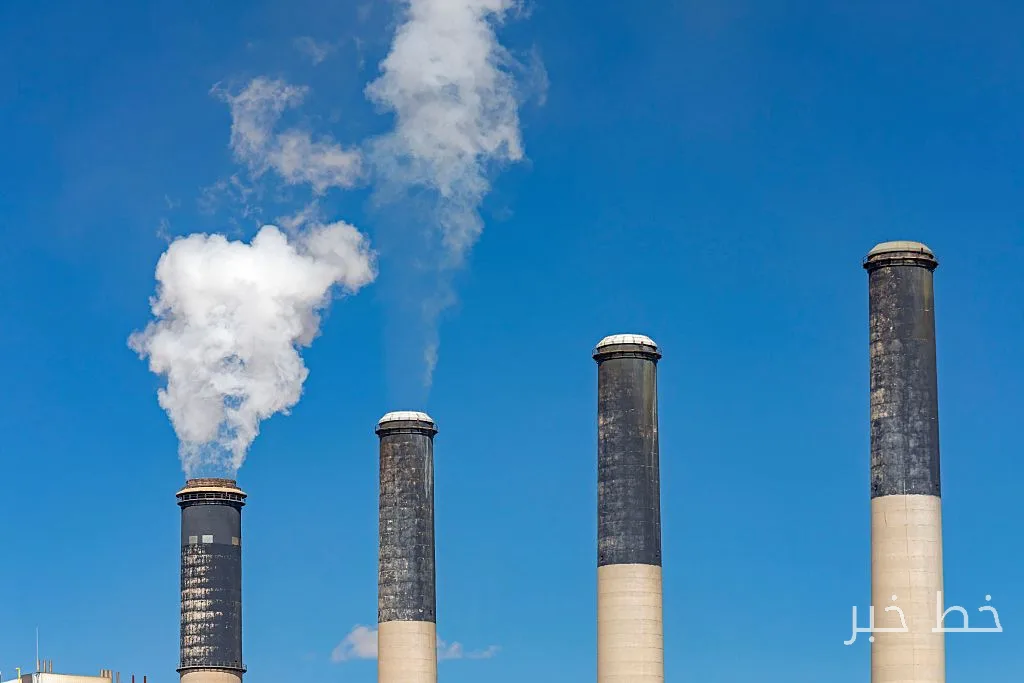
The smoke from the fires contains soot and fine particulate matter that affects air quality and reduces visibility in some areas of Southeast Asia. Indonesian officials have warned that the fires may continue until October or early November. The government has urged farmers and companies to refrain from burning their land, an action that is generally prohibited by law.
As of September 4, Indonesian police are investigating 112 individuals suspected of intentionally or unintentionally starting the fires, and five companies have lost their licenses due to suspicious fires. Prabowo Subianto, the President of Indonesia, has called for stricter penalties and ordered local governments to revoke exemptions that allow small farmers to burn small areas.
Indonesia has deployed over 50 aircraft for water bombing and cloud seeding operations in the affected areas of Sumatra and Borneo, and Japan has sent three CH-47 Chinook helicopters to assist in firefighting efforts.
The hazardous air quality in Indonesia has led to an increase in respiratory infections, and according to data from the Ministry of Health, on September 9, 113,336 infection cases were recorded in seven provinces, which is double the number of cases from the previous week. Children under five years old account for nearly a quarter of these cases.
Read more: More Americans Believe Artificial Intelligence Harms the Environment · Growing Concerns Among Americans About the Environmental Impacts of Artificial Intelligence