Iran emphasized its conditions for reopening the Strait of Hormuz, while U.S. President Donald Trump publicly rejected this proposal. Abbas Araghchi, the Iranian Foreign Minister, said in this regard: "Our conditions are clear, and any action to reopen the Strait of Hormuz is conditional on the fulfillment of these conditions. We will not back down from them."
Iran's Proposal to End Conflicts
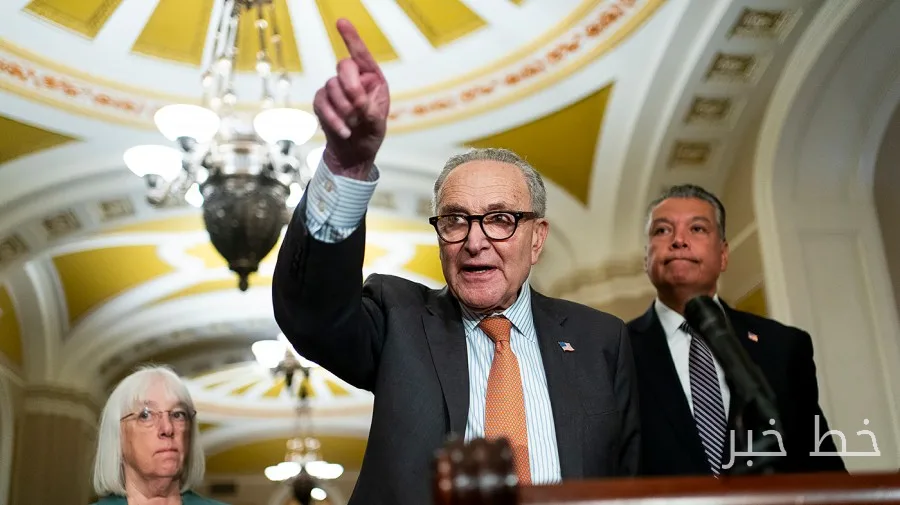
Iran presented a seven-day plan at the United Nations General Assembly in New York to reopen this strategic waterway and announced that this plan could quickly end the conflicts. Araghchi added: "We have never closed the doors of diplomacy or negotiations, but at the same time, we have never backed down from our rights."
Iran has conveyed this proposal to Washington through mediation from Qatar. This plan calls for a cessation of all hostilities in the Middle East, including Lebanon, and the fulfillment of the conditions of a ceasefire agreement that failed a few months ago. This agreement includes the release of Iran's frozen assets, the lifting of oil sanctions, and the end of the U.S. naval blockade.
Trump's Reaction to Iran's Proposal
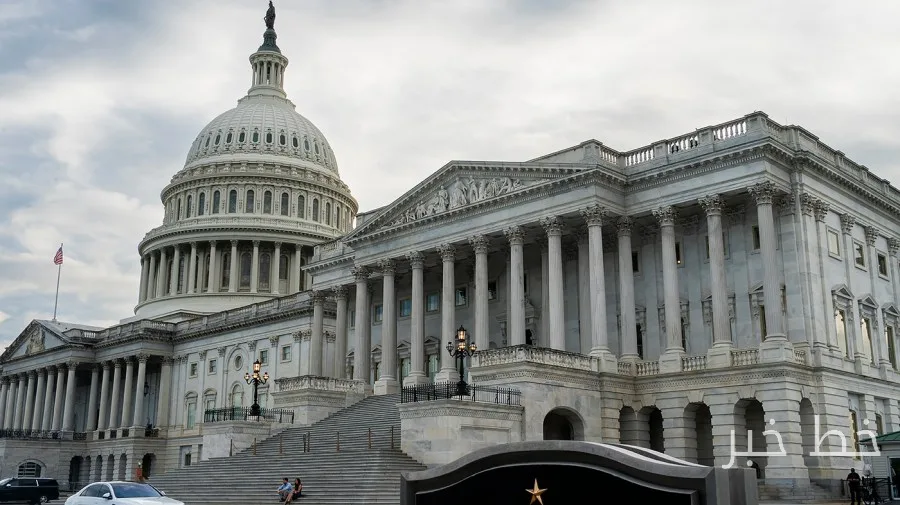
The Trump administration responded negatively to this proposal on Saturday. Trump stated in remarks at the White House: "I reject their proposal... I rejected their agreement." He added that Iran wants to sign an agreement that would immediately reopen the Strait of Hormuz because they are losing badly.
In response to Trump's remarks, Araghchi said that Iranians "have seen the first reaction of the U.S. President, but so far nothing has been conveyed to us by the mediators." He continued: "We are waiting for the mediators to convey definitive positions to us, and we will make decisions based on that."
Restrictions and Consequences for Ships
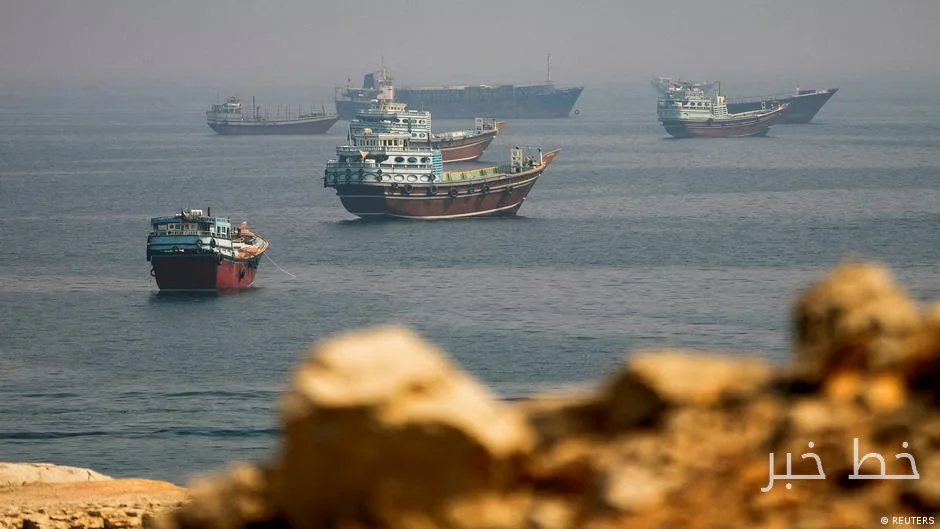
Currently, Iranian ports are under a U.S. naval blockade as Washington seeks to pressure Tehran to lift the closure of the Strait of Hormuz. This key waterway remains largely closed to international ships, despite Trump's claims of U.S. control over it.
Early on Sunday, the Persian Gulf Strait Authority (PGSA), established to manage the Strait of Hormuz, warned ships about the consequences of using "illegal routes" in the area. The organization stated: "This could lead to financial and human losses for the ship, owner, captain, and crew, and seriously limit their future passage through the Strait of Hormuz."
The organization also emphasized that if ships violate its rules, all ships belonging to that company may face restrictions in the future.
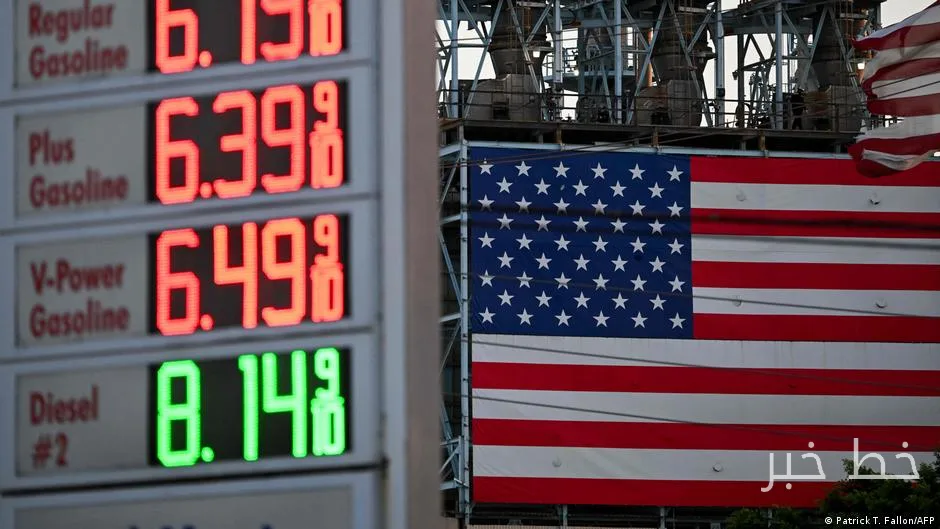
Before the onset of the war, about one-fifth of global oil demand was transported through the Strait of Hormuz. This waterway is also a vital route for liquefied natural gas and fertilizers.
Read more: The White House Emphasizes the Need for Permit Agreements Before Midterm Elections · Norm Eisen Invites Americans to Remain Calm After Supreme Court Decision on Voting Database