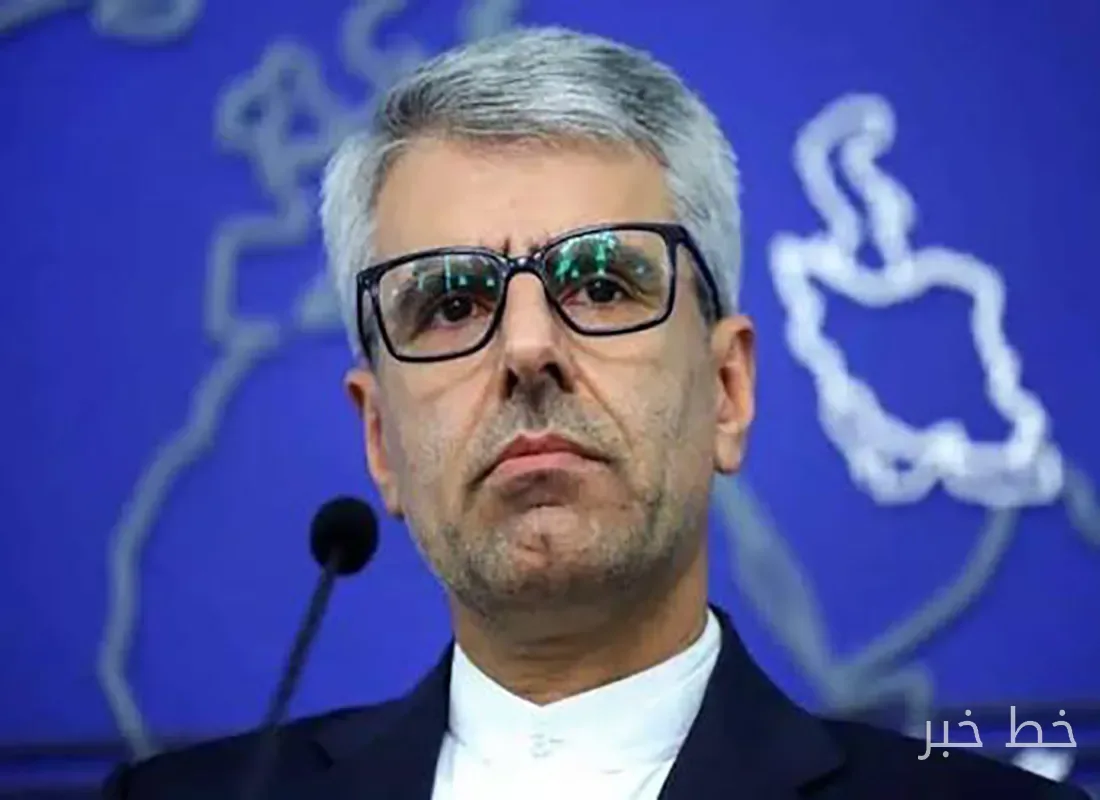
Ismail Baqai, at the beginning of his press conference with reporters, honored the arrival of "Hafez Day," the day dedicated to this renowned Iranian poet, by reciting verses from Hafez Shirazi.
Response to American Claims
The spokesperson for the Foreign Ministry, in response to the question that Americans claim Iran has lost its leverage over the Strait of Hormuz and that control of the Strait is now in their hands, said: The American claims in this regard do not match what we observe on the ground at all.
Read more: Republican lawmakers oppose the decision to broadcast executions live
He added: They can say that Iran has lost its leverage, but we will do our work, and I don't think that financial markets will pay attention to such claims made by the Americans. As we see, the Americans themselves have resorted to other countries for fuel, which speaks for the situation.
Readiness to Resolve Regional Tensions
The spokesperson for the Foreign Ministry stated that the events occurring in the Strait of Hormuz were not for leverage, and continued: What we have witnessed in the Strait of Hormuz since March 1, 2025, is the result of the actions of the United States and Israel, and as long as the United States insists on making this waterway unsafe through economic blockade and naval warfare, security will not return to this waterway.
Baqai said: We are not happy with this situation because the security of the Strait of Hormuz is more necessary for us than anything else, but the United States, with its aggressive actions, has created trouble for itself, the region, and the world.
The spokesperson for the Foreign Ministry, in response to a question regarding the phone conversation last night between the foreign ministers of Iran and Saudi Arabia amid increasing tensions between Yemen and Saudi Arabia, said: It is natural for the media to have their analyses. We are ready to help resolve tensions between Saudi Arabia and Yemen.
He added: This conversation was part of the consultations that Iran has with regional countries. We are deeply concerned about the events occurring in the Arabian Peninsula. We have repeatedly expressed our readiness to help and facilitate dialogue between the parties.
Cognitive Warfare and the Speech of the U.S. Secretary of State
Baqai, in response to a question about the controversial speech of the U.S. Secretary of State in Athens regarding the history of Iran and its importance in the current time, said: This speech and the choice of this arrangement by the U.S. Secretary of State should be considered as part of the cognitive warfare against Iran. Presenting a completely distorted and reversed interpretation of historical events to justify American warmongering is both dangerous and a disservice to Greek culture and civilization.
He said: What connection does today's America have with Greece? Greece, which was not only about war and warfare but also possessed philosophy and culture. The Iranian civilization has always established and continued through connection and construction.
Baqai expressed hope that this issue would not be repeated, saying: In an era where the world is facing American belligerence, talking about ideological and civilizational dualities is a sheer mistake.
Message Exchange between Iran and the U.S.
The spokesperson for the Foreign Ministry regarding the latest status of message exchanges between Iran and the U.S. said: Message exchange through intermediaries between Iran and the U.S. continues. What was raised on the sidelines of the United Nations General Assembly and referred to as Iran's "seven-day plan" was a demand for Iran's legitimate rights.
Baqai said: These seven items are: lifting the maritime blockade, stopping the war on all fronts, and releasing Iran's assets, and in summary, everything we had agreed upon in the memorandum of understanding.
Read more: Ahmad Zeidabadi criticized the rhetoric of officials · The Trump administration postponed an attack on Iran until the midterm elections