Jean-Luc Mélenchon, the left-wing candidate for the French presidential election, in his electoral program released on Friday, called for radical changes to the laws of the European Union. Citing his rising popularity in polls ahead of the 2027 elections, he proposed a series of measures for a fundamental review of EU policies.
Mélenchon's Proposed Changes
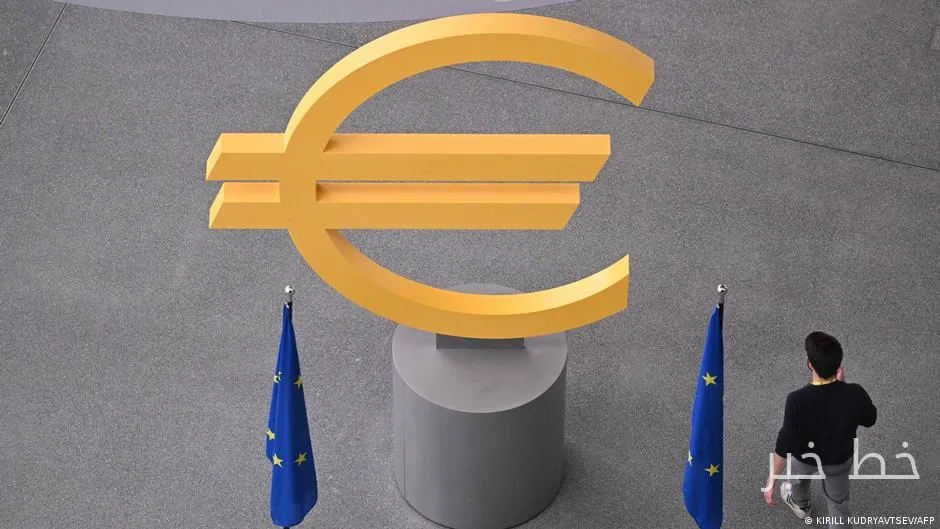
Mélenchon aims to create a "New Deal" for Europe and calls for the rewriting of treaties, the abandonment of key sections of the EU rulebook including debt and deficit limits, the suspension of competition laws for public services such as energy, transport, and communications, and the easing of state aid regulations.
Read more: Berlin Security Conference Focuses on Russian Threats in Ukraine
In a statement about his "France Resilient" program, he said: "We will immediately implement our program at the national level. This means we will need to confront European institutions." According to him, "This also means disobeying laws that block us whenever necessary."
Challenges and Reactions
Mélenchon's proposals, which have been raised before, are likely to face strong resistance from France's partners in the Council of Europe, currently dominated by conservative leaders. He also emphasized that the European Central Bank must be "under democratic control and activated to finance social and environmental transitions."
Mélenchon sparked significant criticism earlier this year by stating that he intends to "burn" a large portion of France's public debt held by the European Central Bank, initiating national discussions on the matter. France is among the countries most affected by rising global borrowing costs, and its financial situation limits the government's ability to mitigate the impact of rising fuel and food prices, which is part of the continent's cost-of-living crisis.
With public debt equivalent to 117.5% of GDP and a budget deficit exceeding 5%, financial issues have become a primary concern for voters. Presidential candidates are offering vastly different solutions to this dilemma.
Marine Le Pen has tried to present herself as a responsible economic manager unafraid of cuts; however, critics say her plan is "too optimistic" and her main promises remain unfunded. Moderate candidates, such as Édouard Philippe, the former Prime Minister, position themselves as the voice of reason on economic and financial issues but face challenges in capturing voters' attention.
Read more: Boris Pistorius Advocated for Germany's Arms Industry