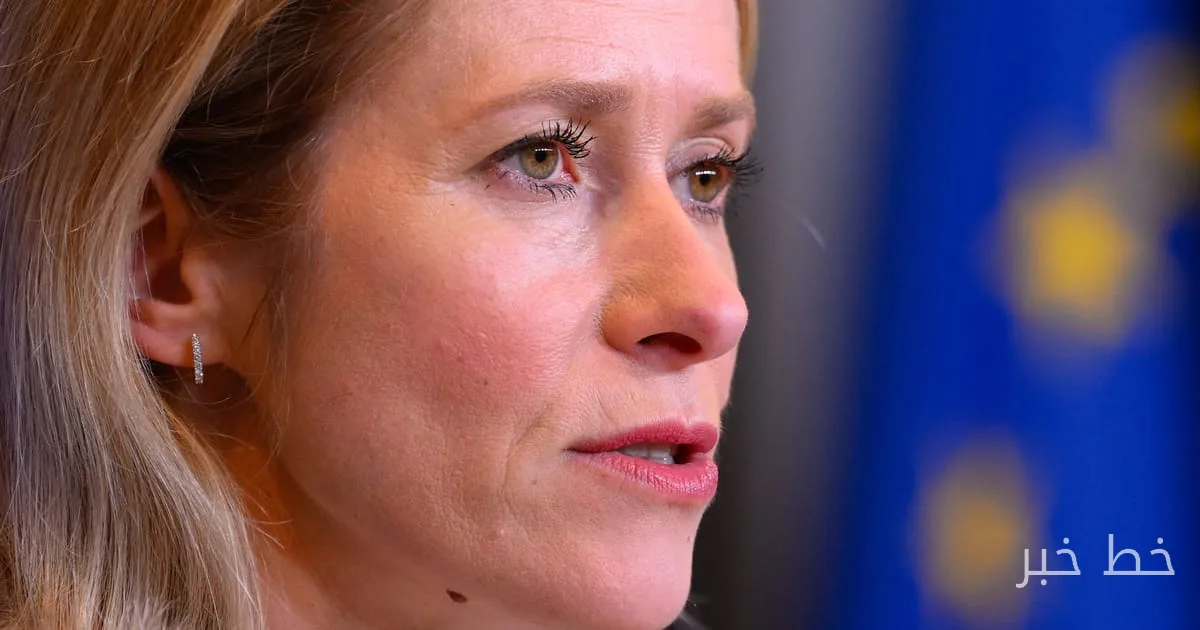
Kaja Kallas, the senior diplomat of the European Union, on Monday called Russia's demands for concessions in the war against Ukraine "unreasonable" and emphasized that it is Moscow that must take the first step to end the war it started.
Analysis of Russia's Demands
Kallas told reporters on the sidelines of a foreign ministers' meeting in Brussels: "Russia's demands are maximalist and truly unreasonable." She added: "They use their usual approach of initially making many requests and then seem reasonable if they retreat by adding more demands." Russia's demands to end its five-year war include a complete withdrawal of Ukraine from the Donbas region, permanent neutrality status for Kyiv, and pressure on NATO to return to the borders of 1997.
Read more: Elys Ainger has received support from parties as a candidate for the presidency of Germany
Position of EU Foreign Ministers
Leaders and foreign ministers of the European Union believe that Moscow must accept a ceasefire as the first step in any negotiations. The Finnish defense minister also described proposals related to his country's exit from NATO as "highly unreasonable." Kallas also noted that negotiators should be pressured to balance their demands and added that the EU can leverage sanctions and frozen Russian assets as pressure points.
After the selection of the EU negotiating team, which includes representatives from Poland, Germany, Italy, France, and the UK, Kallas is not part of the negotiating team. Officials close to the negotiations explained that Kallas's absence is because her American counterpart, Marco Rubio, is also not participating, and the negotiations are not at the foreign ministers' level but are being conducted between national security advisors.
The Lithuanian foreign minister supported Kallas, stating: "We will see what the final composition will be. I am convinced that the High Representative will fit well into this team." Now that the EU has agreed on its negotiating team, capitals must decide on a mission before the next round of negotiations on Ukraine, which is expected after a meeting between U.S. President, Vladimir Putin, and Xi Jinping in Shenzhen, China.
Austria has also proposed a 15-point plan as a basis for such a mission, which includes proposals for limited ceasefires and the strategic use of EU leverage with sanctions. However, some foreign ministers expressed doubts about the chances of success for the negotiations.
Read more: European leaders disagree over the representative in Ukraine peace negotiations · Iran's ambassador calls for an immediate end to U.S. aggression