Katie Costanzo, an ecologist and entomologist at Canisius College, discusses the importance of preserving leaves and natural materials in gardens to support pollinators. She and her students examined eight bags of leaves that homeowners in Buffalo had collected for disposal and found that these bags were filled with insects from over 25 different families. These insects include bees, hoverflies, woodpeckers, and more.
The Importance of Preserving Ecosystems
Costanzo criticizes the public's perception of "fall cleanup," saying, "This is part of our ecological system. It can be habitat or resources." She believes that many things that appear dead, messy, or finished still serve as food, shelter, or nursery for insects and other living creatures.
Read more: Congress Seeks to Repeal California's Clean Air Protections
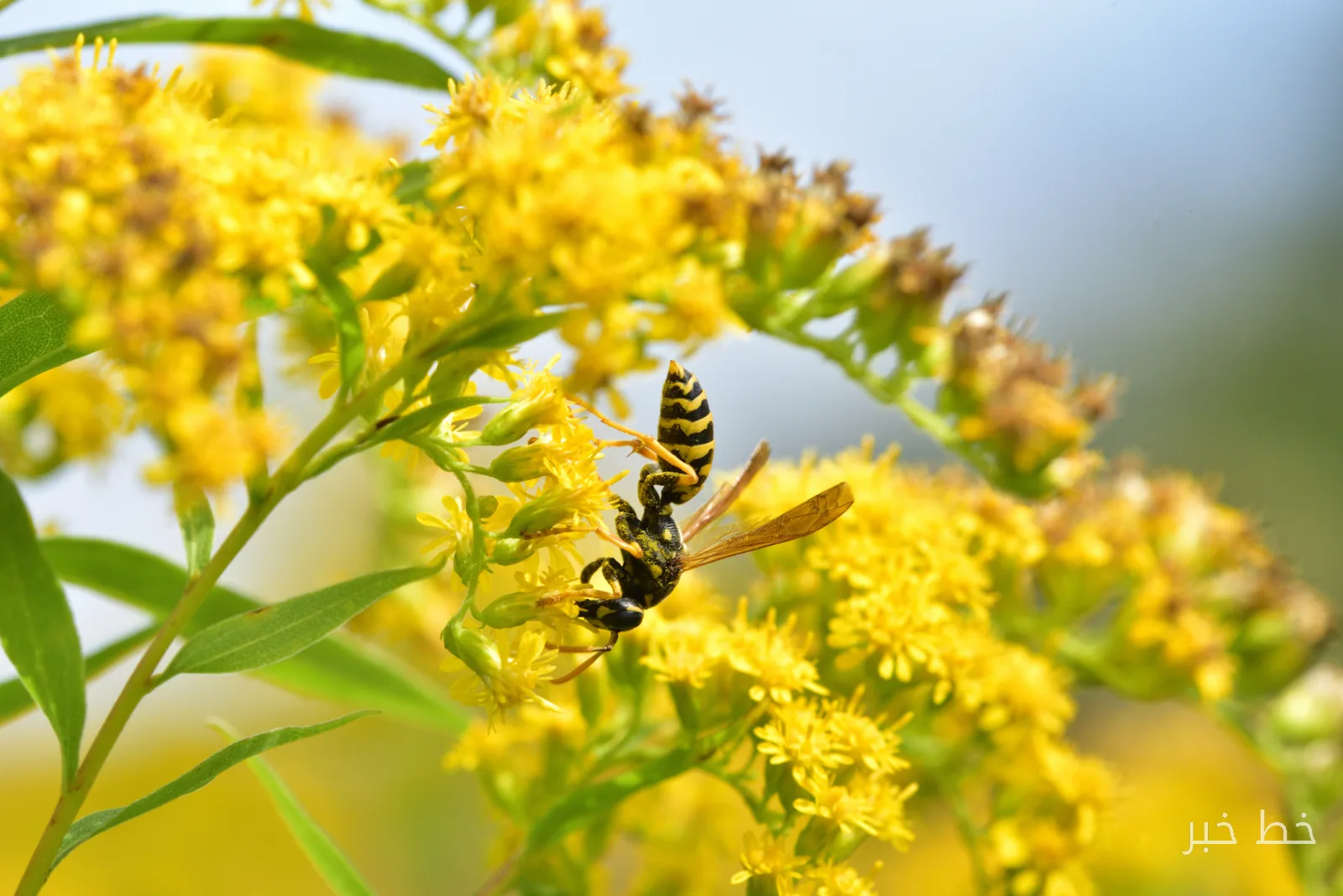
Queen bumblebees may be hiding deep in your yard's soil. Native bees and beetles can take refuge in hollow stems that you might cut and throw in the trash. Beetles, flies, and other insects hide in the heads of dried flowers, while birds return to the same plants for seeds. Mari Phillips, head of native plant habitat strategy at the National Wildlife Federation, says, "When the cold air arrives, your yard may seem closed off, but all this activity is happening in the winter."
Fall Habits to Support Pollinators
Costanzo and other pollinator experts recommend that gardeners divide their yards into different areas. They suggest continuing maintenance in high-traffic areas like playgrounds and pathways, but allowing leaves and branches to remain in less busy spaces. Costanzo practices this in her yard, stating, "You don’t need to manage your entire property in one way."
If you are concerned that neighbors might mistake habitat for neglect, you can put up a sign to explain your work. Kim Eierman, an ecological landscape designer and author of the book "Pollinator Victory Garden," says, "This is a sign for neighbors that we garden differently and do this with a specific purpose."
The importance of leaves has also been emphasized by Eierman. She wants "fallen leaves" to be recognized as "nature's gold." Fallen leaves not only insulate queen bumblebees near the soil surface but also provide shelter for butterflies, moths, and many other invertebrates. These leaves return nutrients to the soil as they decompose and act as free mulch and compost.
Read more: Oil Pollution in the Strait of Hormuz Has Spread to the Persian Gulf · Noise Pollution is a Serious Public Health Issue