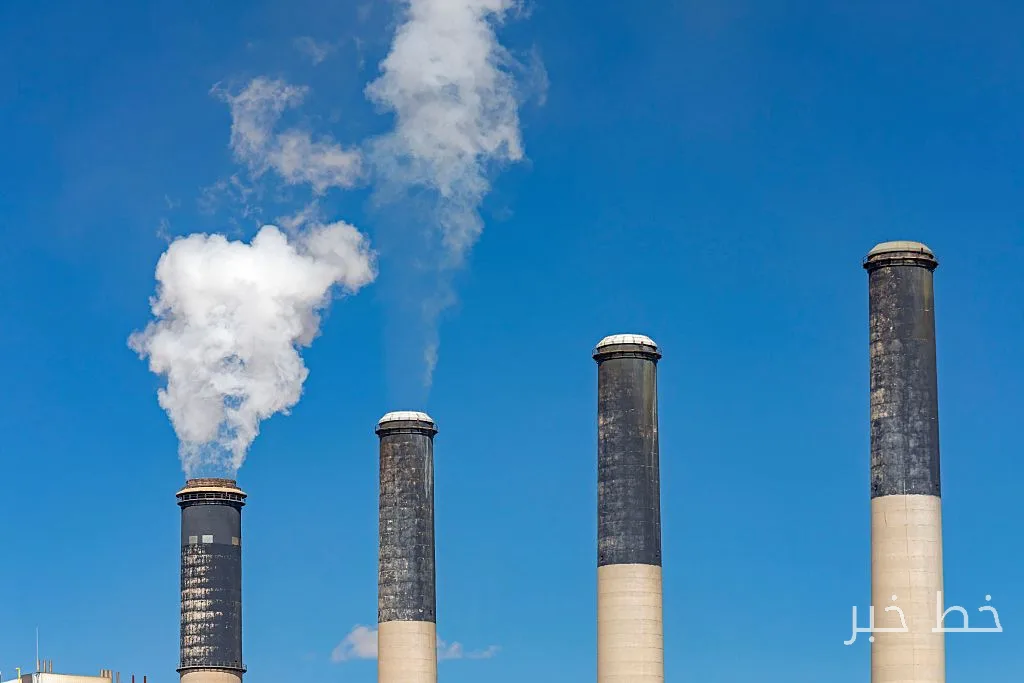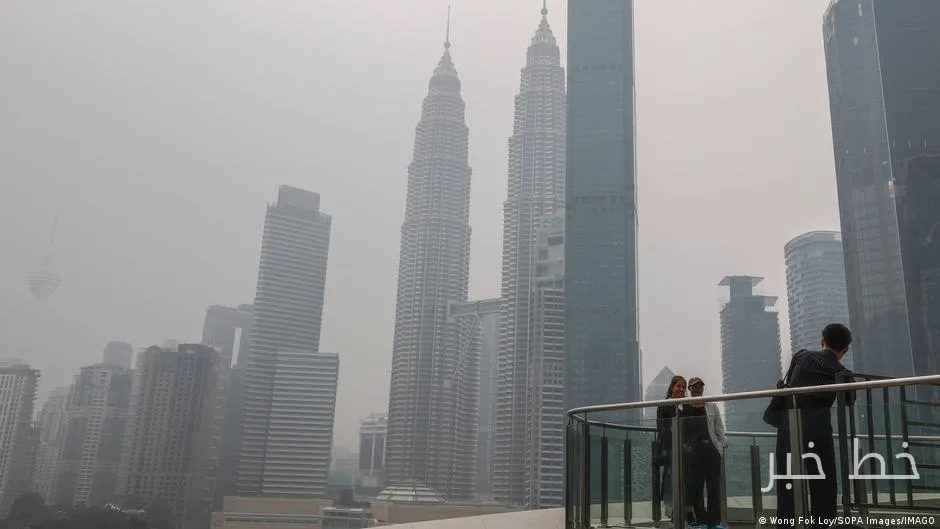
This summer, with extreme heat and record-breaking temperatures, an online controversy emerged that attracted significant attention. The issue was how efforts to clean up polluted air could indirectly lead to an increase in Earth's temperature. This phenomenon not only raises new questions about environmental policies but also indicates a fundamental shift in our understanding of climate change.
Pollution and Heat: A Dangerous Paradox
As air pollution decreases in various parts of the world, it is expected that air quality will improve and a better life will be provided for humans and other living beings. However, research shows that this improvement may contribute to global warming. This is because fine particulate matter in the air, such as soot and other pollutants, acts as a natural shield, reflecting sunlight. With the reduction of these particles, the Earth is more exposed to direct sunlight, which can lead to higher temperature increases.
Worrying Perspectives
These changes clearly indicate that we are facing a significant dilemma. Should we continue to clean the air, or should we tolerate pollution out of fear of further warming? These questions are important not only for policymakers but for all of humanity. Additionally, these challenges could lead to transformations in global climate change policies and highlight the need for new and innovative approaches.
Ultimately, what seems clear is that we are at a crossroads. We must strive for cleaner air, but at the same time, we must be mindful of the consequences of this cleaning. We need a deeper understanding of this phenomenon to move towards a more sustainable future.