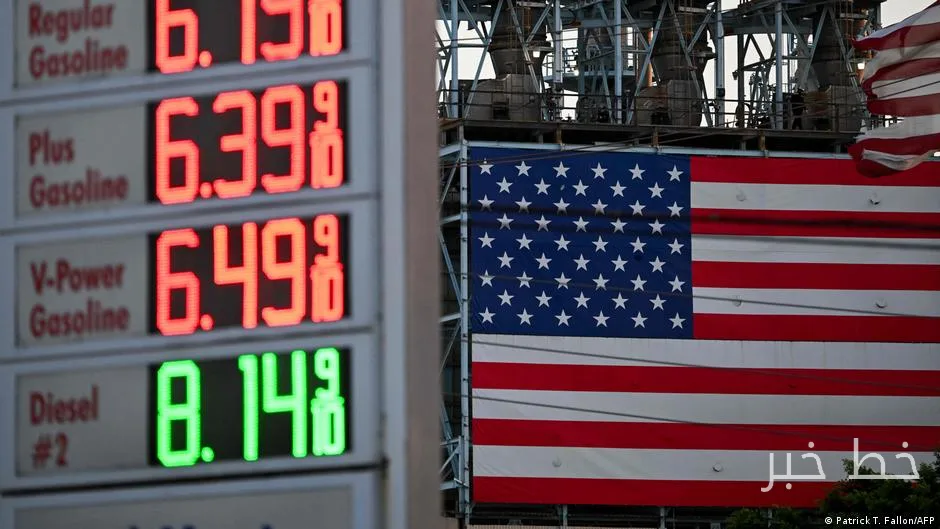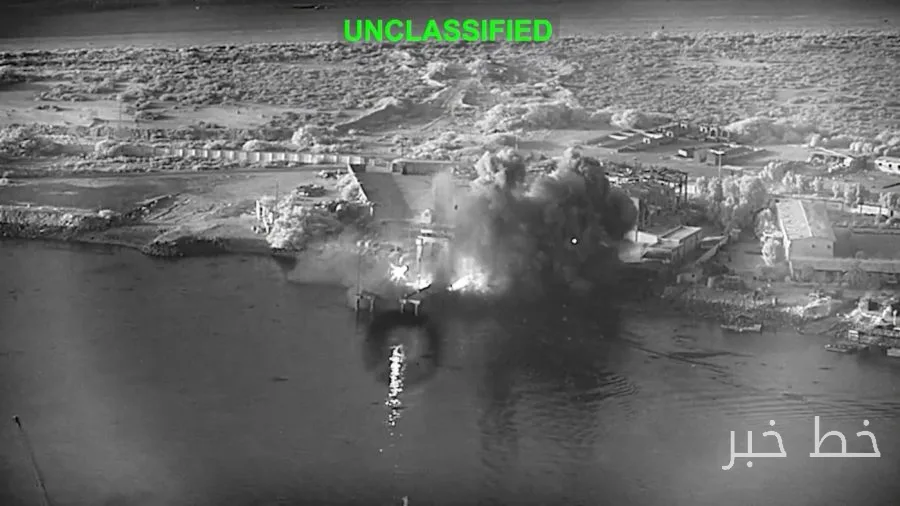
The Pentagon informed Congress last month that the cost of the war against Iran has now risen to over $42 billion. This increase in cost is $4.5 billion more than the last public estimate provided by the Department of Defense, which was made six months after the war began.
Details of the Costs
Pentagon defense officials presented the new cost estimate to Congress on August 13. This significant increase in costs reflects the intensity and scope of the conflicts in the region. Over time, the costs of the war have risen substantially, raising questions about the economic and political impacts of this conflict on the countries and the region.
Read more: Marcus Towns examines the challenges of advancing legislation with a narrow Republican majority
Economic Consequences
The increase in costs could affect the government's financial plans and lead to cuts in other budgets. Additionally, this issue may raise concerns about America's ability to manage its financial resources. Some analysts believe that prolonged wars can lead to increased national debt and weaken economic growth.
As war costs continue to rise, Congress may exert more pressure to review and oversee the expenses and outcomes of the war on military forces. This could lead to changes in U.S. defense and military policies.
Future Outlook
As war costs continue to rise, this issue may lead to the formation of new public and political opinions in the United States. The increase in costs may raise concerns about the continuation of the war and its impact on the lives of ordinary people. Furthermore, this situation could affect America's relations with other countries and lead to changes in foreign policy.
Read more: Target to open new stores soon · Lawmakers return to Washington: Trump in Golf Ireland!