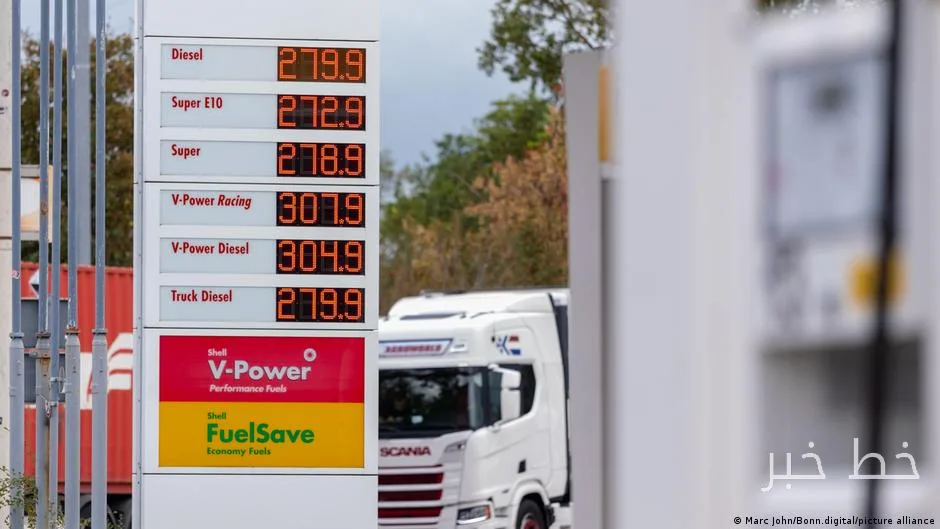
The rise in diesel prices in the United States to $6.52 per gallon puts more pressure on the European economy. While gasoline is primarily a fuel consumed by cars, diesel powers a large part of the economy, and its effects are felt in transportation and industry.
Economic Impacts of Rising Diesel Prices
The increase in diesel prices can have more economic impacts than the rise in gasoline prices. This is due to the increased costs of transporting goods and operating heavy machinery. As energy costs rise, businesses are forced to pass these costs onto consumers, which exacerbates the cost of living crisis and inflation.
Read more: UK Business Secretary Warns About Potential Ban on US Diesel Exports
China and the United States are among the largest producers of diesel in the world, but China keeps most of its production for domestic consumption. The United States has now become the largest exporter of diesel. However, the average price of diesel in the United States has risen sharply compared to a year ago.
Factors Affecting Diesel Prices
The previous U.S. government, led by Donald Trump, asked the President of Ukraine to end attacks on oil refineries in Russia, as these attacks have led to a reduction in diesel supply. Russia is one of the largest suppliers of diesel in the world, but since 2022, several of its refineries have been damaged due to attacks.
The International Energy Agency estimates that diesel production in Russia has decreased by nearly 30 percent compared to 2025 levels, and Moscow has now limited diesel exports to protect domestic supplies. With Russia's production declining, the United States has tried to compensate for this shortfall, but these efforts have not been sufficient.
Moreover, the rising fuel costs for road transport in the European Union have reached 270 million euros per day. This includes 203 million euros for diesel. Since the onset of the war in Ukraine, the EU economy has faced an additional 40 billion euros in diesel costs.
Crude oil production, the raw material needed for diesel and gasoline production, is not considered the biggest constraint, but refining capacity has faced more challenges. Due to disruptions at refineries, diesel refining capacity has been severely affected.
As winter approaches in the Northern Hemisphere, refineries may face more challenges in meeting demand for heating oil and diesel. The closure of refineries in Europe and the United States since 2019 has made the diesel market vulnerable and reduced excess refining capacity.
Read more: Rising Diesel Prices in Europe Put More Pressure on the Economy · Diesel Export Ban Will Not Significantly Affect Price Reductions