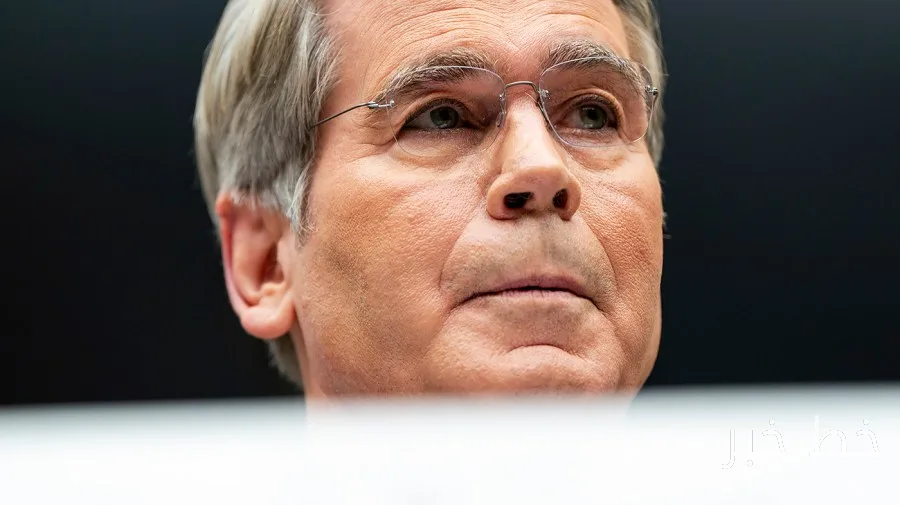
Scott Basset, the U.S. Treasury Secretary, announced on Sunday that the recent agreement with Russia regarding diesel exports to U.S. and global markets does not mean a reduction in sanctions against this country. These statements were made during the "Meet the Press" program on NBC.
Details of the Diesel Agreement
The agreement recently signed between the U.S. government and Russia allows Russia to export diesel to U.S. and global markets. However, Basset emphasized that this agreement in no way signifies a facilitation of sanctions against Russia, and President Trump has not provided any concessions for this country.
Read more: Greg Stanton criticized Trump for lifting sanctions on Russia
Position of the Treasury Secretary
Basset, in response to questions from Christian Welker, the program's host, stated that all sanctions imposed against Russia remain in effect, and this agreement will not change the sanctioning status of this country. He explained that the main goal of this agreement is to meet energy market needs and prevent global price increases.
These statements come at a time when tensions between Russia and the United States are rising, and countries are seeking ways to manage energy and economic crises. Basset also added that the U.S. government is looking for solutions that will help secure global energy while continuing existing sanctions.
International Implications
Analysts believe that this agreement could have profound effects on the global energy market. At the same time, some experts point out that the continuation of sanctions against Russia alongside new agreements may lead to increased tensions between Western countries and Russia.
Ultimately, Basset emphasized that the United States will adhere to its commitments regarding sanctions and is working to achieve its goals through economic tools. This clearly demonstrates the current government's commitment to strict policies against Russia.
Read more: Concerns of Republicans about negative public perception of the economy · Mike Rogers is concerned about the implications of the diesel export agreement with Russia