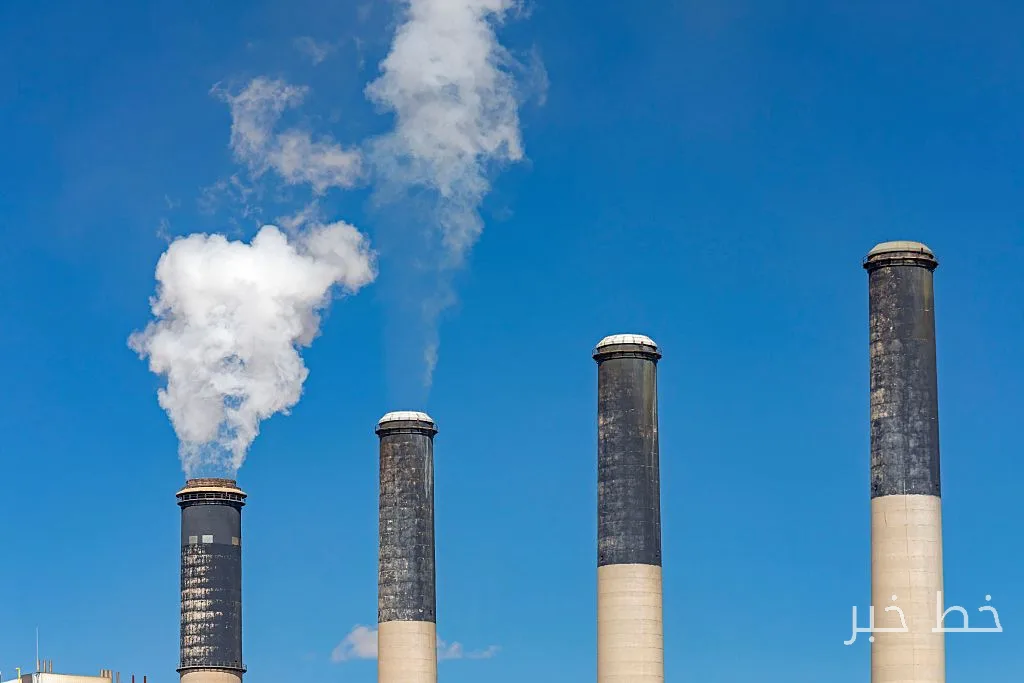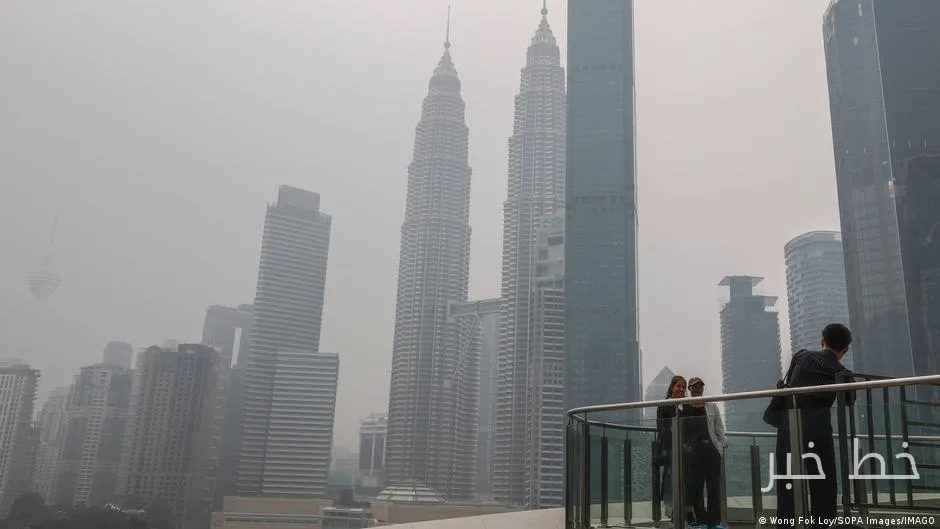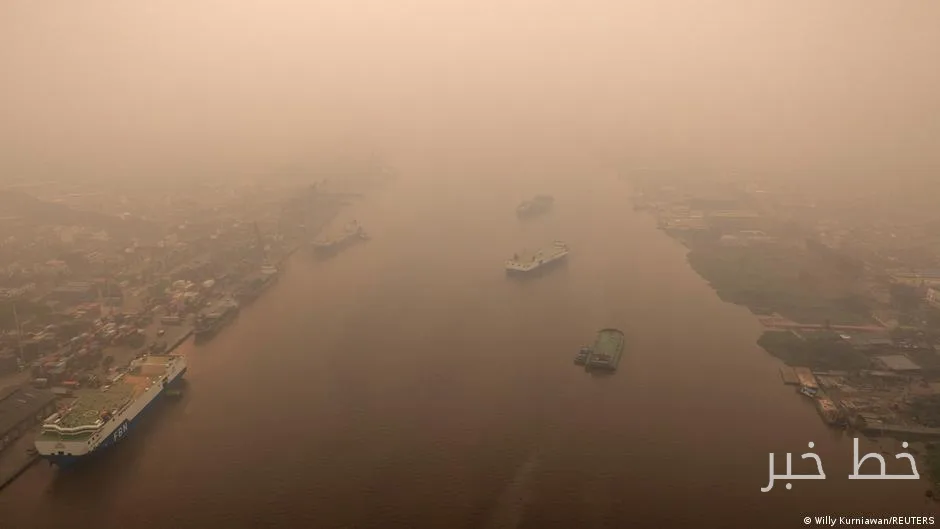
The forest fires in Indonesia, marking the worst fire season in over a decade, reflect both minor and major changes in Southeast Asia's response to the smoke crisis since 2015.
Fires in forests and land on the islands of Sumatra, Borneo, and Papua have continued for several weeks, with smoke reaching large parts of the country and neighboring countries like Malaysia and Singapore.
Read more: Swiss glaciers have melted significantly in the first eight months of 2026
Increased Health Problems and School Closures
The prolonged dry season of 2026 in Indonesia, along with the occurrence of El Niño this year, is not improving the situation and has put millions at risk of dangerous smoke. Indonesia's Ministry of Health has reported over 170,000 cases of acute respiratory infections in areas affected by smoke between August and mid-September, including more than 40,000 cases among children.
This crisis has also led to the closure of hundreds of schools in Malaysia and the transition of over 1.4 million Indonesian students to remote learning. However, the exact economic cost of this crisis is still unclear.
Long-term Effects and the Need for Regional Cooperation
The fires in Indonesia, seen as a cheap method for land clearing for agriculture, have contributed to the expansion of palm oil and paper wood plantations and the destruction and drying of vast areas of peatlands. This situation raises concerns about the recurrence of similar crises in the future.
The experience of 2015, when 2.6 million hectares of land burned and caused economic damages of $16 billion, is still fresh in memory. Experts are calling for closer cooperation among member countries of the Association of Southeast Asian Nations (ASEAN) to tackle this crisis.
Significant changes in policies were made after the 2015 crisis, including strengthening peatland restoration and monitoring fires. However, fundamental issues remain, and global demand for cheap agricultural products continues to put more pressure on natural resources.
Analysts believe that to prevent this crisis from worsening, Southeast Asian countries must work together to implement stricter regulations to prevent peat and forest fires and utilize all available technologies to prepare for dry conditions.