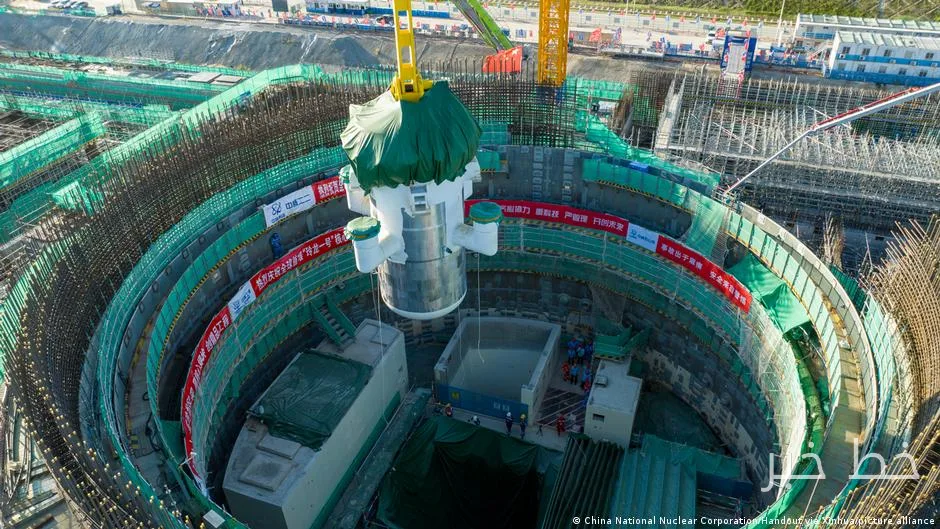
Southeast Asian governments have turned their attention back to nuclear energy in light of rising electricity consumption. This increase is primarily driven by the emergence of new factories, electric vehicles, and the region's efforts to host data centers aimed at reducing carbon emissions.
New Nuclear Programs in the Region
Currently, none of the Southeast Asian countries operate a commercial nuclear power plant, but several are reviving their nuclear programs. On September 8, the state-owned PetroVietnam and South Korea's KEPCO agreed to collaborate on the Ninh Thuan 2 nuclear power plant project. Six days later, the Singapore government announced that it is studying nuclear energy and small modular reactors (SMRs) with an open mind, although it emphasized that no decision has been made yet.
Read more: Rising Diesel Prices Present New Economic Challenge for Republicans
Vietnam also plans to commission two Ninh Thuan plants by 2035 and pursue at least one SMR project. Indonesia is planning to establish an initial nuclear capacity of 500 megawatts by 2032, while the Philippines is working on its first nuclear capacity of 1200 megawatts from the same year.
Challenges and Opportunities in Nuclear Energy
The renewed interest in nuclear energy indicates significant changes in the approach of Southeast Asian countries. The Fukushima nuclear incident in 2011 raised many concerns in this regard and halted many programs. However, geopolitical changes and recent crises around the world have shifted the energy discussion.
The International Energy Agency (IEA) has stated that electricity generation in Southeast Asia has increased by nearly 60 percent since 2015, but most of this increase has been supplied by coal. The war in Ukraine and the current crisis in the Middle East have heightened concerns about energy security. Nevertheless, electricity demand in the region is expected to grow by an average of 5.3 percent per year between 2026 and 2030.
Given these circumstances, nuclear energy has been proposed as a suitable solution to address climate challenges and energy security. Small modular reactors (SMRs) allow for the creation of smaller projects with lower investments, which could facilitate the adoption of nuclear energy in smaller countries.
However, many challenges remain. Nuclear power plants require significant time and investment, and new countries must establish independent institutions, a skilled workforce, and appropriate systems for managing radioactive waste and responding to emergencies.
Read more: Republican Senators Defend Federal Reserve Decision · Italy Seeks to Return to Nuclear Energy by 2035