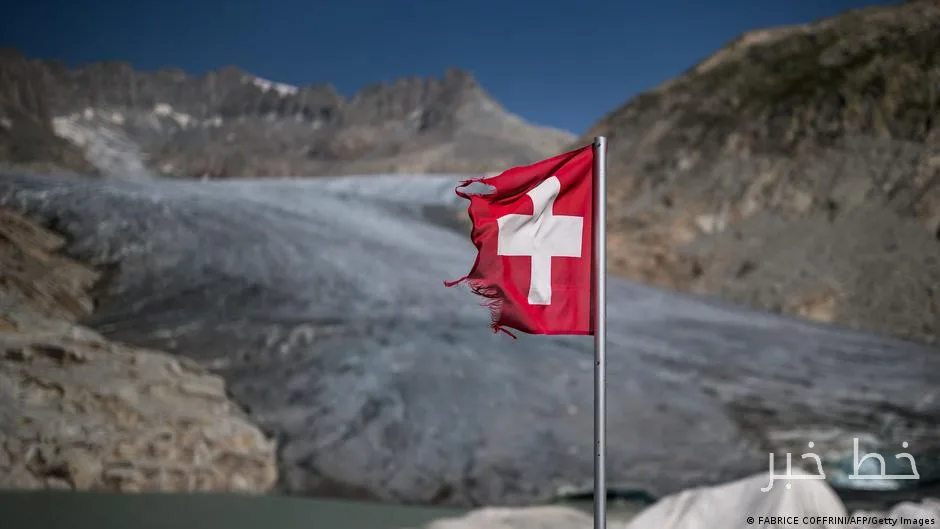
Swiss glaciers are rapidly losing their ice volume and this year witnessed the second largest decrease in recorded history. According to a report from the Swiss Glacier Monitoring Network (GLAMOS), Swiss glaciers lost more than 5.5 percent of their ice volume in 2026.
Significant decrease in ice volume
According to this report, over the past five years, Swiss glaciers have lost nearly one-fifth of their ice volume. This severe reduction has raised concerns about the impacts of climate change on water resources in the future. Experts warn that this trend could pose a serious threat to water supply in the region.
Read more: California is pursuing the use of pesticides containing permanent chemicals
Disastrous year 2026
Matthias Huss, head of GLAMOS, has expressed serious concern about the state of the glaciers and described 2026 as a disastrous year. He explained that minimal snowfall in winter and unprecedented temperatures in summer have led to this severe reduction in ice volume. According to Huss, "This is a glacier that cannot survive and likely in 10 or perhaps 15 years there will be no ice left."
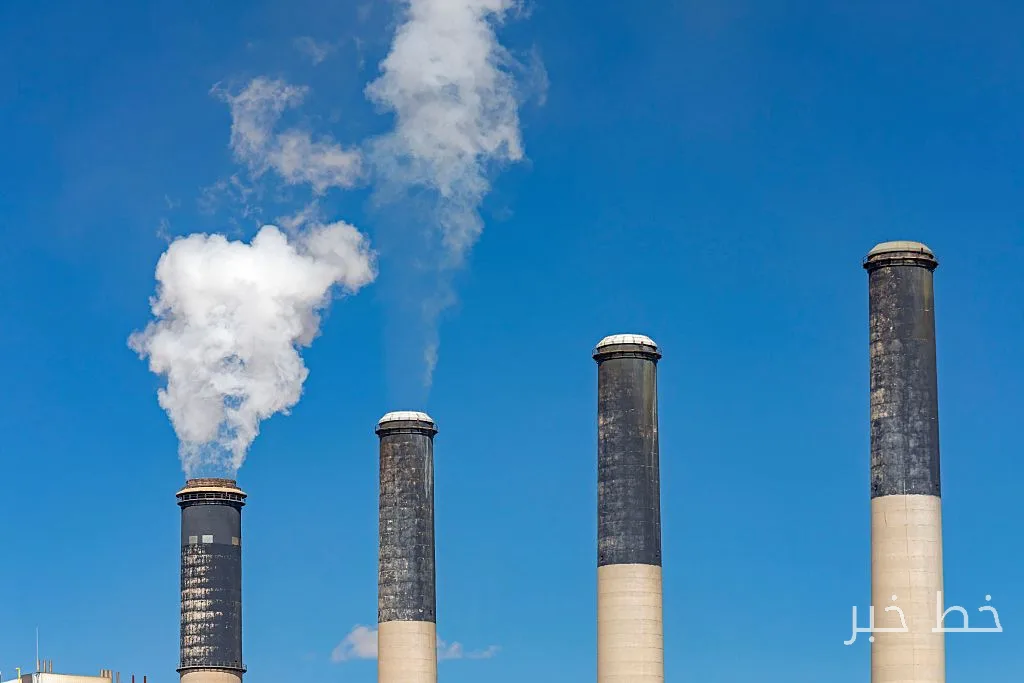
The GLAMOS report also raises serious questions about the survival of the Alpine glaciers and other glaciers in Europe. Huss added, "The heat we are currently experiencing is 100 percent attributed to climate change caused by human activities. Without greenhouse gas emissions or fossil fuels, we would not have any heat now."
Alpine glaciers are recognized not only as water sources for local communities but also as indicators of climate change. The reduction of glaciers could mean reduced access to fresh water in the future and also impact local ecosystems.
Read more: Marine Le Pen confirmed her change of approach to climate change · A deer walks on the New York highway