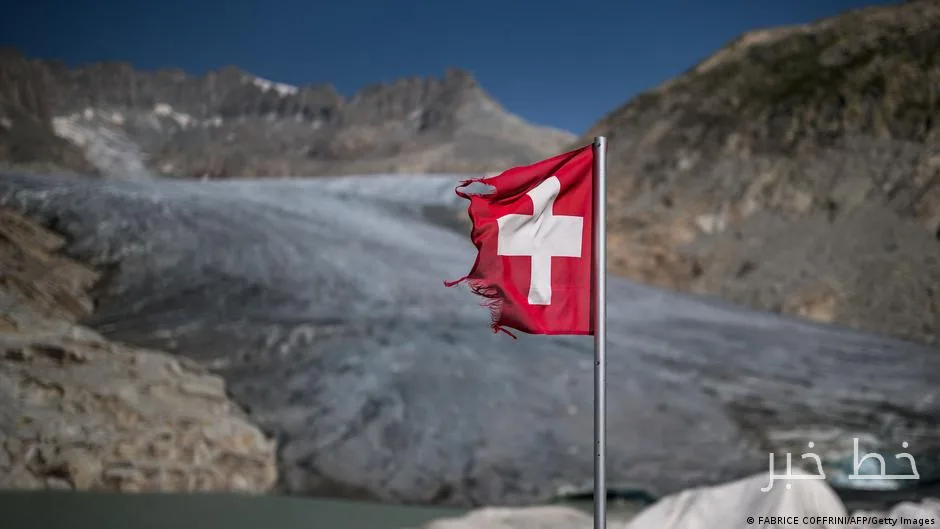
Swiss glaciers are melting rapidly, and according to a new report published by the Swiss Glacier Monitoring Network (GLAMOS), we have witnessed a 5.5 percent reduction in the ice volume of these glaciers this year. This decrease has occurred due to unprecedented temperature increases in Europe.
Significant reduction in ice volume
According to this report, Swiss glaciers have lost nearly one-fifth of their ice in the past five years, and this trend could pose a threat to water resources in the country in the future. This unprecedented reduction in ice volume has raised concerns about the long-term survival of Europe's ice fields.
Read more: A deer walks on the New York highway
Unfortunately, adverse weather conditions, including low snowfall in winter and unprecedented temperatures in summer, have led Matthias Huss, head of GLAMOS, to describe 2026 as a disastrous year. He stated that these glaciers will have no chance of survival under such conditions.
Consequences of climate change
Huss also pointed out that although climate change caused by human activities is clearly evident, the coming years could have serious repercussions for the region's ecosystems and water resources. He said, "These glaciers are definitely disappearing right now" and predicted that there will likely be no ice left in ten to fifteen years.
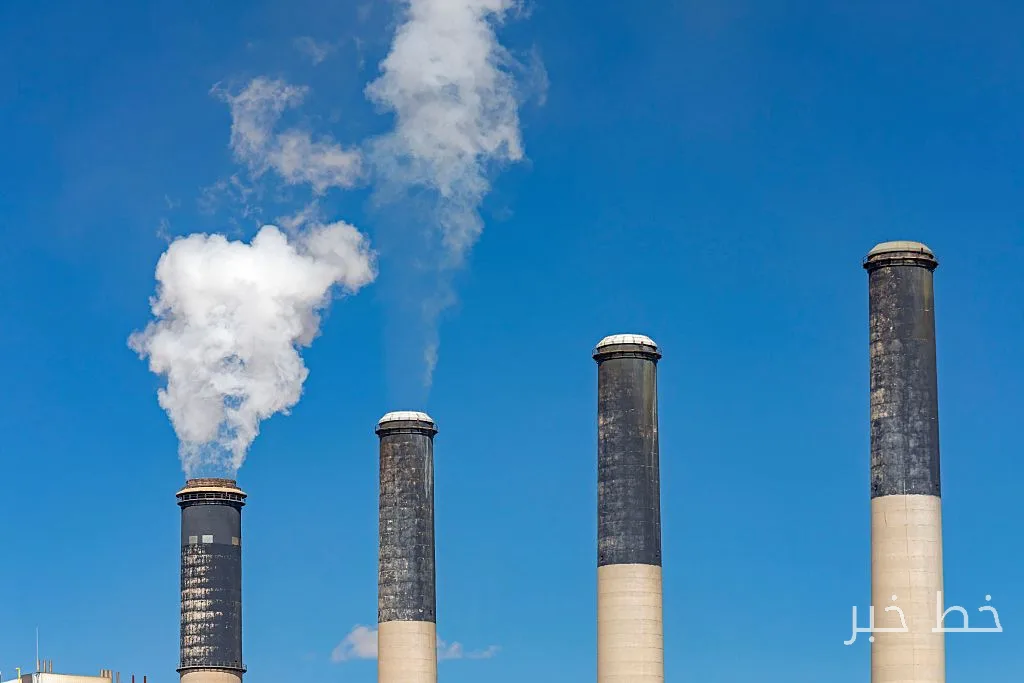
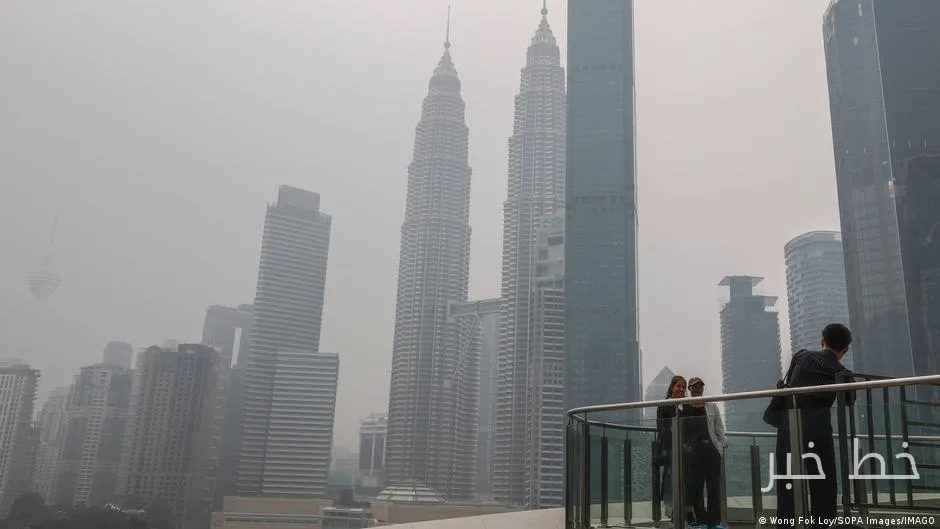
The GLAMOS report emphasizes the effects of global warming, particularly in Europe, which is recognized as the continent with the fastest warming rate. Huss stated, "The heat we are currently experiencing is 100 percent related to climate change caused by human activities." Without greenhouse gas emissions and fossil fuels, we would not be experiencing any heat right now.
Ultimately, this report clearly shows that climate change has not only impacted glaciers but could also have more serious consequences for the future of water resources and the daily lives of people in Switzerland and other neighboring countries.