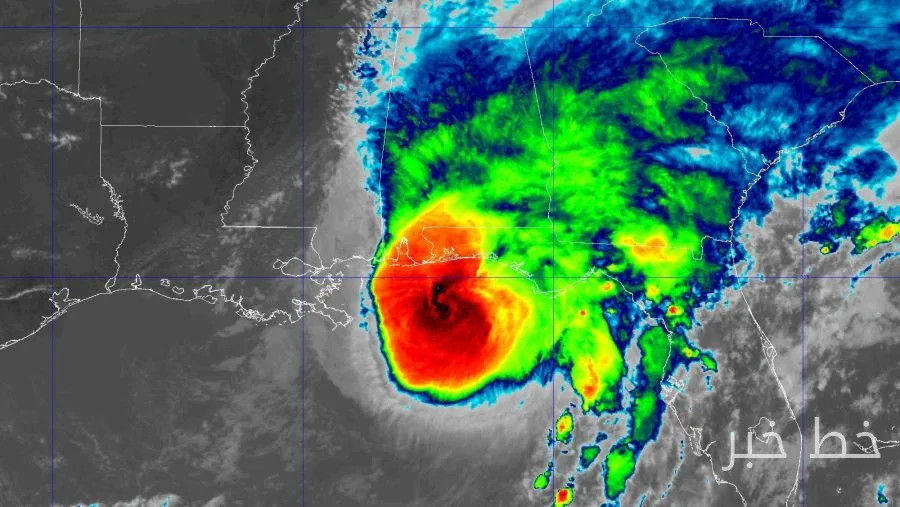
The Atlantic hurricane season officially begins every year on June 1 and continues until November 30. During this time, various storms develop in the Atlantic Ocean that can significantly impact the lives and infrastructure of coastal residents.
History of the Atlantic Hurricane Season
The Atlantic hurricane season is recognized as a specific weather period in the Northern Hemisphere. This season is typically associated with increased temperatures and humidity in the oceans, which can lead to the formation of tropical storms. During this period, forecasting and tracking storms become particularly important to prevent potential hazards.
Read more: Farzaneh Sadegh announced the requirements for building shelters in new buildings
Consequences of Storms for Coastal Areas
Atlantic storms can have severe consequences for coastal residents. These storms can cause flooding, financial and human losses, as well as destruction of infrastructure. Therefore, awareness and preparedness to face these storms are of utmost importance. Meteorological organizations are working to provide accurate and timely forecasts to inform people of potential dangers.
Given the history of Atlantic storms, this season has typically witnessed devastating storms that have directly impacted the lives of millions. Thus, monitoring and tracking storms is essential to mitigate the risks and damages they may cause.
Read more: Congress must determine that the oil industry pays for the costs of climate change · Storm Isaias recognized as the first hurricane of the Atlantic season