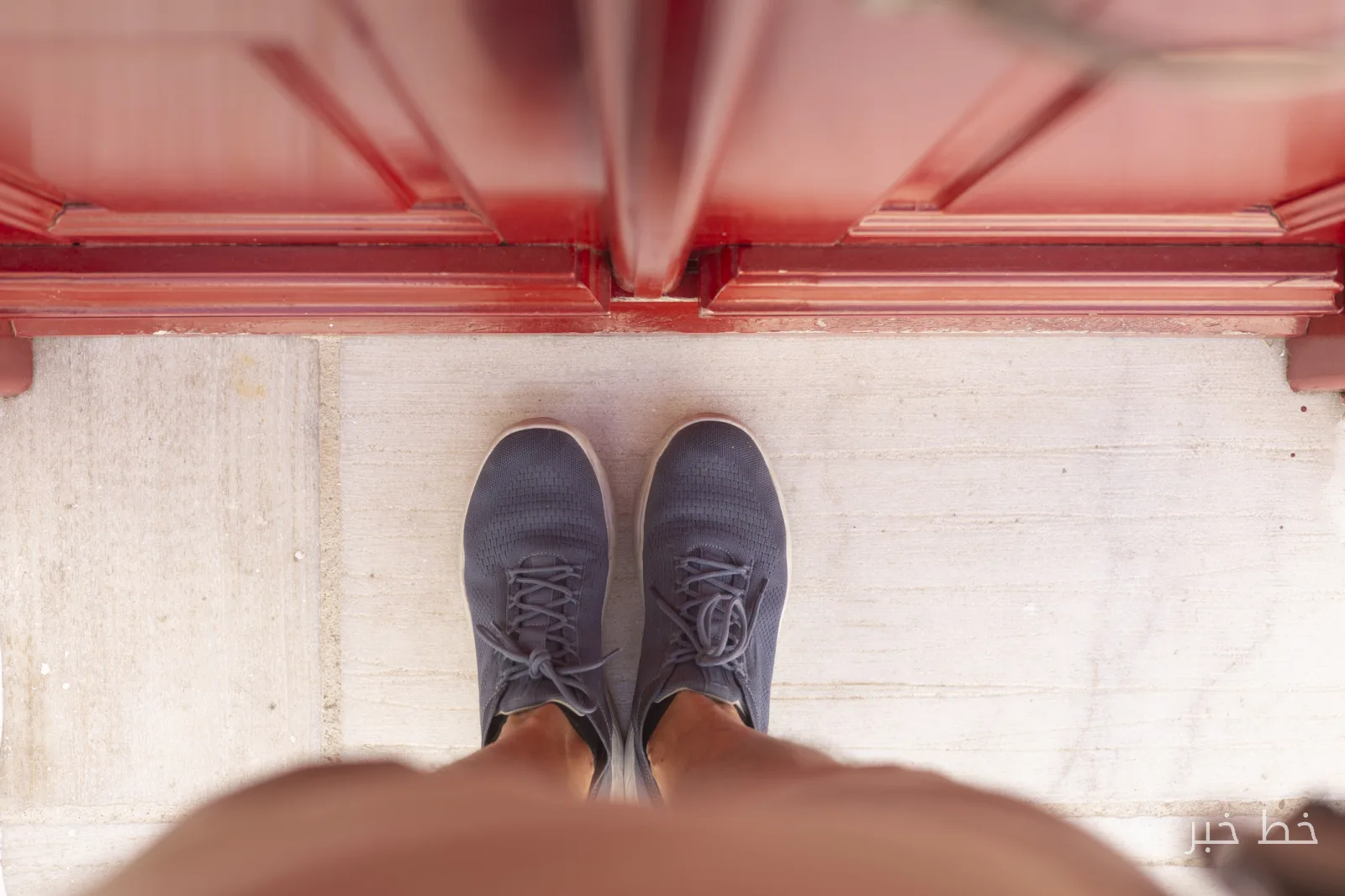
Entering the house with outdoor shoes can mean bringing thousands of microbes and contaminants into the indoor environment. The world outside the front door is full of bacteria, viruses, and environmental toxins that can be transferred inside through shoes.
Statistics and Surveys
According to a survey in 2023, 63% of Americans regularly take off their shoes at home, and 24% of guests request that they do the same. The Indiana State Health Department launched a campaign this year titled "No Shoes, Protecting You and Me" that addresses the benefits of a no-shoes policy in the home.
Read more: The Strange Silence of Erika Schwartz, CDC Director Amid Health Crises
Risks from Contaminated Shoes
Research shows that shoes can contain millions of bacterial units. In a 2008 study, Charles Gerba, a virology professor at the University of Arizona, examined 26 pairs of shoes that had been used outdoors for three months and found concerning results. The shoes had between 3,600 to 8 million bacterial units, with E. coli, a fecal bacterium, being the most common species observed.
Gerba wrote in an email that about 80% of the shoe soles contained fecal bacteria, primarily transferred from public restroom floors. Meanwhile, another study showed that in some medical environments, 65% of shoes contained antibiotic-resistant bacteria.
Areas such as rural and urban locations can also be sources of dangerous bacteria like Salmonella. In a study in Alaska, after individuals used sterilized boots and walked on a path, it was found that 70% of the boots contained multiple intestinal bacteria.
In urban environments, the risks from pets on sidewalks and in parks also exist. Even in cities where dog owners regularly pick up their pets' waste, fecal bacteria may accumulate on high-traffic pathways.
Impact on Family Health
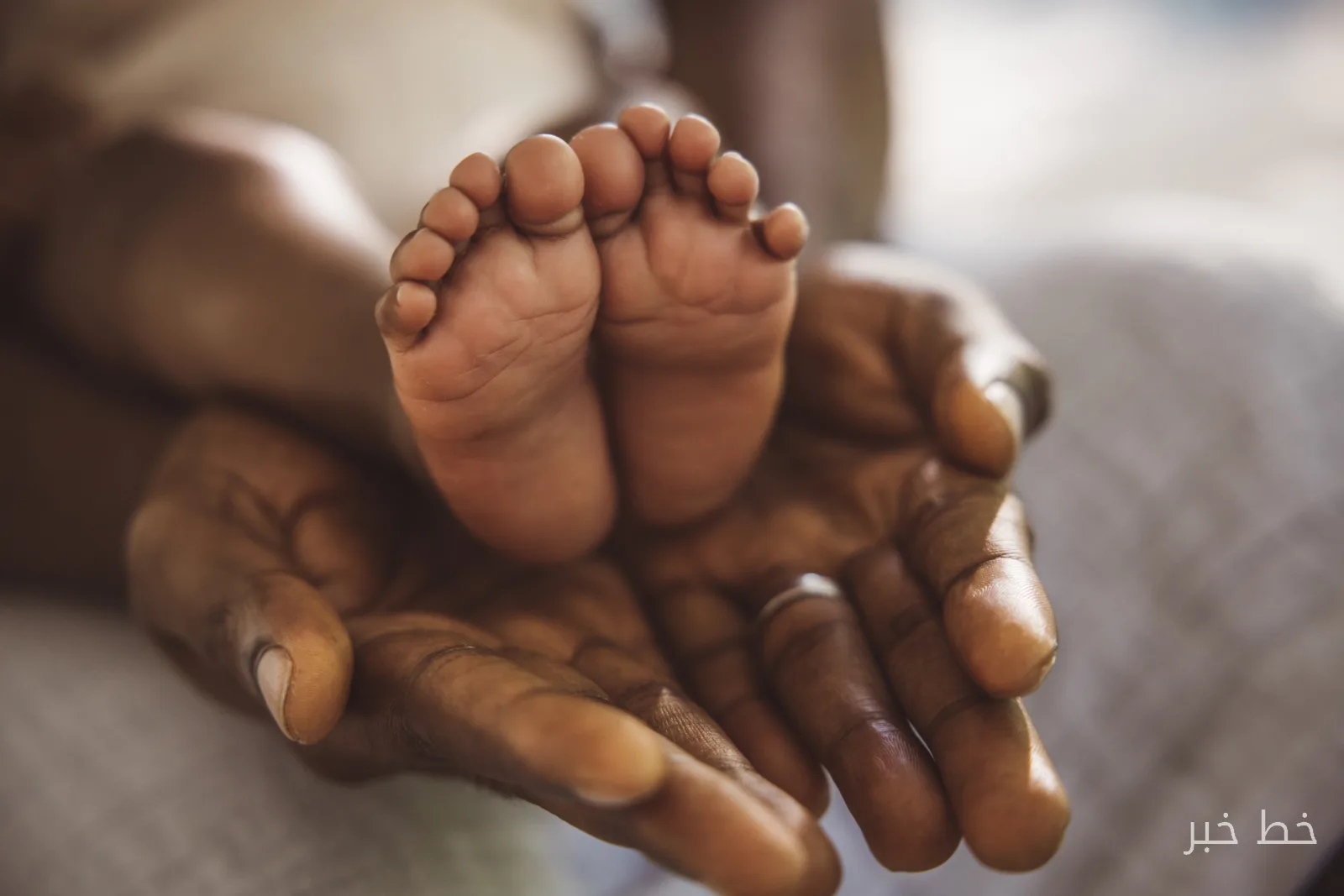
Bacteria and pollutants that are transferred inside the home pose serious risks to family members, especially children and infants who are more in contact with the ground. Research indicates that areas near the front door of the house are typically the most contaminated. In these areas, the presence of bacteria can significantly impact family health.
Some individuals, particularly younger ones, follow stricter policies against wearing shoes in the house. While only 7% of people over 65 and 13% of those aged 45 to 64 ask their guests to take off their shoes, 44% of younger individuals do so.
It is essential to note that wearing shoes indoors can lead to the transfer of bacteria and contaminants, which can harm family health. Therefore, policies against wearing shoes in the house can be an effective solution for improving family hygiene and health.
Read more: Third Measles Death Reported in Pennsylvania · After 25 Years, Is the Government Ready for Biological Warfare?