The Doñana region in southwestern Spain, one of the most important wetlands in Europe and a habitat for millions of migratory birds and endangered species like the Iberian lynx, is severely drying up. Rising temperatures and drought caused by climate change are only part of the problem.
Impact of Illegal Extractions
This UNESCO-protected area relies on an underground aquifer that has been exploited by hundreds of illegal wells. Spain supplies a quarter of Europe’s fresh produce, which has led to increased water extraction from these sources.
Read more: SpaceX Faces Land Exchange Program in Protected Area in Texas
In 2016, WWF Spain estimated that the Doñana wetland had over 1,000 illegal wells and more than 1,700 basins for illegal irrigation, covering an area the size of 4,200 football fields. One local resident in the town of El Rocío said, "Every year the temperature rises and the water dries up quickly."
Legal and Management Challenges
The Doñana region was historically known as royal hunting grounds, and parts of it were used for dry farming in the early 20th century. However, in 1971, Spain announced the national importance of irrigating this area and implemented a plan to increase food production known as the "Almonte-Marismas Plan."
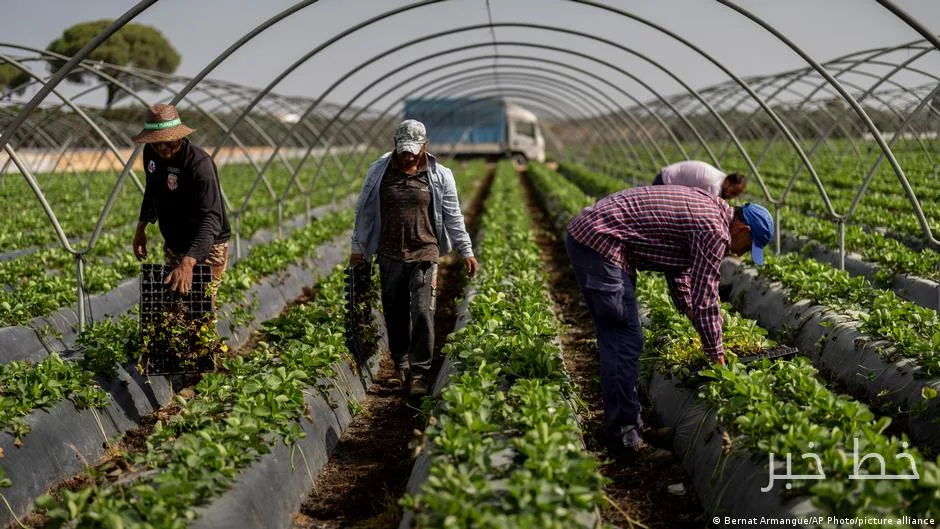
Officials decided to invest in strawberries, known as "red gold." However, more water was needed to grow this crop, leading to illegal extractions from the aquifers. In 2019, the death of a child in an illegal well prompted the Spanish police to form units to combat water theft.
In 2021, the Court of Justice of the European Union ruled that Spain had failed to protect the Doñana aquifer and accused the country of violating EU laws. Currently, police and NGOs like WWF Spain are monitoring illegal water extractions in this region and other pressured agricultural areas across the country.
Farmers are gradually turning to drip irrigation systems and are trying to grow fewer crops that require less water. On the other hand, governments in various countries are seeking solutions to manage water resources. For example, Morocco is using satellite imagery to monitor irrigation, and in California, the government has paid farmers to stop certain types of irrigation.
Read more: Winter Condition Forecast in Various Regions · Trump Administration Considers Diesel Export Restrictions