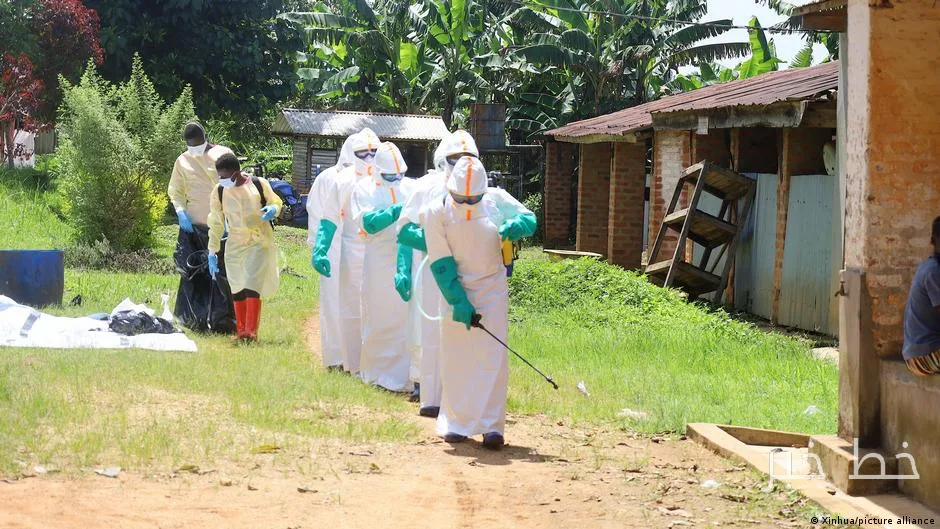
The Democratic Republic of Congo officially announced the outbreak of Ebola caused by the Bundibugyo strain on May 15. However, it seems that the first infections may have started much earlier, likely in mid-April. Local authorities have faced serious criticism regarding their response since the beginning of this epidemic.
History of the Ebola outbreak
The first recorded case was a health worker in the Mongbwalu area of Ituri province in northeastern Congo, who, according to sources, showed symptoms of Ebola on April 24 or 25 and died at a medical center in Bunia, the capital of Ituri province. To date, 80 percent of all recorded cases have been in this province.
Read more: Discovery of a new virus in invasive ticks in America; should we be worried?
The World Health Organization (WHO) recently became aware of an unknown disease with high mortality in the Mongbwalu area and issued its first alert on May 5. Just ten days later, on May 15, the Congolese government announced the Ebola outbreak, and tests conducted at the National Institute of Biomedical Research in Kinshasa confirmed the rare Bundibugyo strain.
Delay in identification and response
Three days later, the Africa Centers for Disease Control and Prevention (Africa CDC) expressed concern about the speed of Congo's response. There was about a three-week gap between the onset of symptoms in the suspected case and laboratory confirmation. This delay indicated a low level of clinical suspicion among local healthcare providers and allowed the geographical spread of the disease before containment efforts began.
Residents of Mongbwalu reported suspicious deaths consistent with Ebola symptoms since late April. Dieudonné Lusa Dekana, the local coordinator of civil society in Ituri, stated that several victims showed symptoms of high fever and bleeding from body orifices.
According to a report from the Red Cross of the Democratic Republic of Congo, as of March 30, there was widespread fear among residents of the Mongbwalu area due to multiple deaths. This report provides signs of an Ebola outbreak before its official confirmation.
Investigations conducted since the official announcement of the outbreak support the hypothesis that Ebola may have been circulating even earlier than that date. A study published in the Weekly Morbidity and Mortality Report on June 11 suggests that initial transmission from an animal to a human is likely to have occurred in mid to late February.
Mohamed Janabi, the WHO regional director for Africa, announced on August 10 that genetic sequencing analyses indicate this outbreak may have started "as early as February 2026." He also noted that some of the early infections were attributed to more common diseases like malaria and typhus.
Previous investigations indicate that farmers and veterinarians in various regions of Congo reported unusual animal deaths prior to the outbreak of Ebola epidemics. This phenomenon may serve as an early warning of the disease outbreak.
Read more: Maria Shriver: Raise awareness among women about their brain health · Wealthy countries face COVID-related costs for the next 20 years