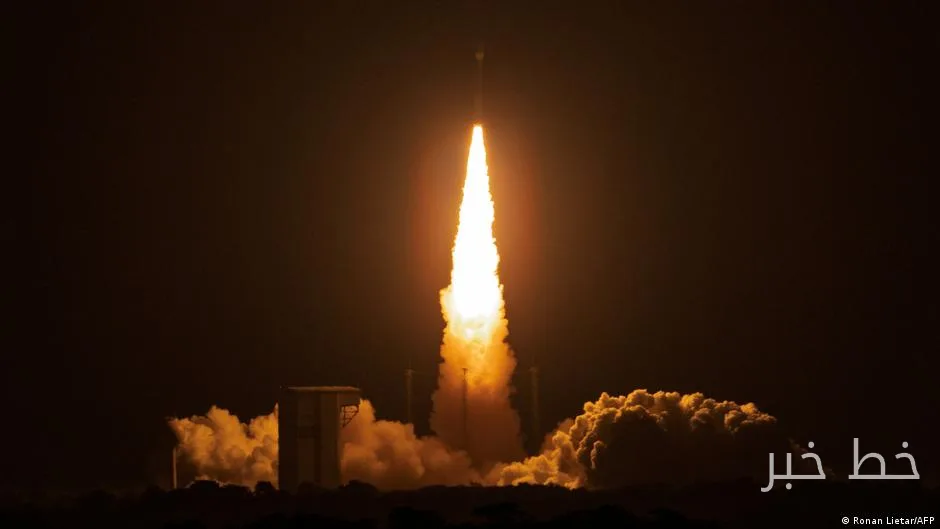
The European Space Agency (ESA) has successfully launched two new satellites to enhance monitoring of extreme weather events related to climate change. These satellites, named Sentinel-3C and Flex, were launched into space and will accurately observe climate changes.
Launch Details
The Vega-C rocket carrying these two satellites took off at 10:21 PM on Monday from the Kourou space center in French Guiana. The two satellites entered a sun-synchronous orbit within two hours after launch. The €350 million ($403.5 million) mission is planned for three years.
Read more: August, the Hottest Month in Recorded History!
Function of the Flex Satellite
The Flex satellite (Fluorescence Explorer) collects data on the impact of heat waves on plant material. This satellite measures the very faint fluorescence of plants during photosynthesis. This fluorescence indicates the efficiency of plants in converting sunlight and carbon dioxide into energy. According to ESA, the data provided by this satellite will help scientists assess plant health, ecosystem productivity, and the effects of environmental stress and climate change.
Function of the Sentinel-3C Satellite
The Sentinel-3C satellite will collect data from the marine environment, including temperature, wave height, and ocean currents. This satellite will also monitor land use and land cover to optimize yield and prevent food crises. Sentinel-3C is part of the Copernicus program, the Earth observation component of the European Union's space program.
Simonta Celli, the Earth observation program manager at ESA, described these missions as "essential" and emphasized their importance in addressing "the climate changes we are currently facing." These satellites orbit the Earth 14 times a day and return to specific locations every 27 days.
Read more: Atlantic hurricane season with a new record; El Niño brings calm · The Attorney General of Washington D.C. is seeking to take on a new presidency over national speech