The European Union and Canada have agreed to create the closest possible relations. In the next six months, they must provide a precise definition of this relationship and examine whether Canada can become the first and perhaps only dependent member of the European Union.
The Montreal Meeting and the Necessity of Cooperation
The recent meeting in Montreal emphasized the necessity of this growing relationship. Both sides stated that their partnership has been positive and their goal is not to confront any country. However, this cooperation also stems from a mutual need to strengthen supply chains, consolidate expertise, and reduce dependence on the United States and China.
Read more: German youth are seeking social change in nationwide protests
Challenges Facing Cooperation
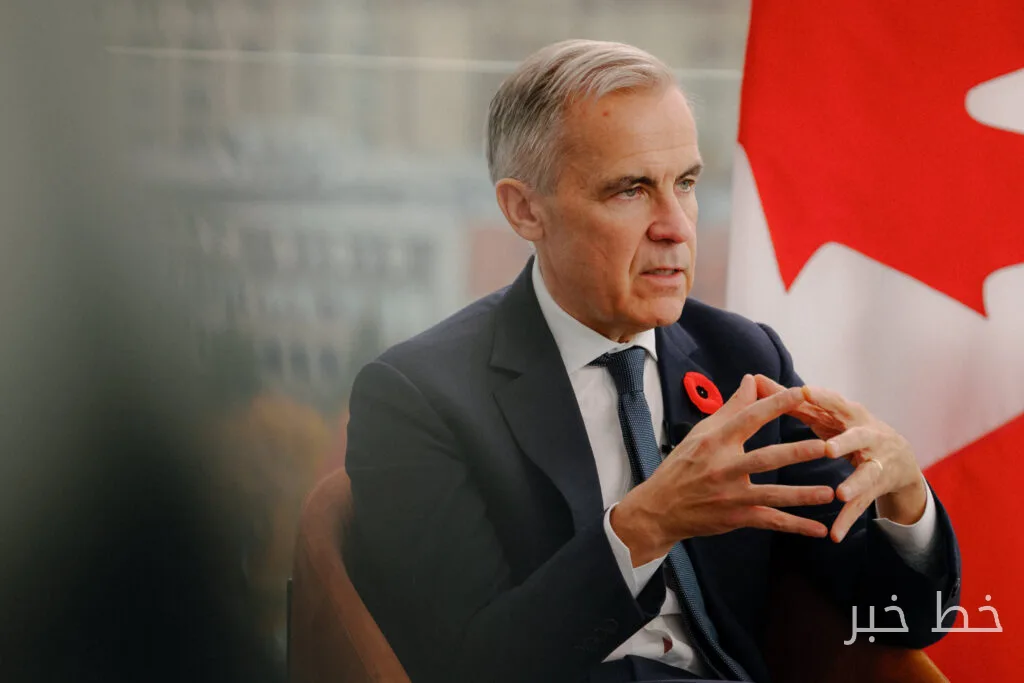
Mark Carney, the Prime Minister of Canada, said in an interview after the meeting that the two sides should not adjust their cooperation based on the potential reactions of other powers. He emphasized that the goal is for both sides to be able to withstand shocks and prevent competitors from exploiting critical dependencies.
The testing of this program will take place in the next six months when the European Commission will meet with the Canadian government to review progress. A diplomat in the negotiations noted that this meeting will be held in March, ahead of next year's European Union and Canada summit in Brussels, and should clarify how far the relationship can develop.
Domestic Challenges and Elections
In the coming months, many issues could distract the leaders of the European Union. Governments will need to negotiate the budget for the next seven years of the bloc, while elections in some of the largest EU countries, including Spain, France, and Italy, may make it difficult to focus on Canada.
The meeting also witnessed the launch of the "Coalition for the Future," which is a broader partnership program that may include Japan, South Korea, and Australia. The goal of this program is to create resilient supply chains and coordination in economic security so that partner countries can prevent unintended harm from each other's trade actions.
However, this will not be easy, and both Europe and Canada must avoid violating World Trade Organization rules with their agreements.
Read more: Friedrich Merz concludes his five-day Asian trip · Mark Carney considers a $1.6 billion investment in artificial intelligence as national security