The European Union and several Southeast Asian countries are nearing the end of negotiations for bilateral trade agreements. If current deadlines are maintained, this European bloc will sign agreements with six of the eleven ASEAN countries by mid-next year.
Active Agreements and Ongoing Negotiations
Free trade agreements with Singapore and Vietnam are currently in effect. Negotiations with Indonesia have concluded, and Jakarta intends to sign this agreement in October, aiming for it to take effect in early 2027.
Discussions with Thailand, which resumed in 2023, have reached nine rounds of negotiations. Meanwhile, Malaysia has restarted its negotiations after a 13-year hiatus, beginning again in early 2025. Both agreements are expected to be finalized by the end of this year or early 2027.
Economic Cooperation and Challenges
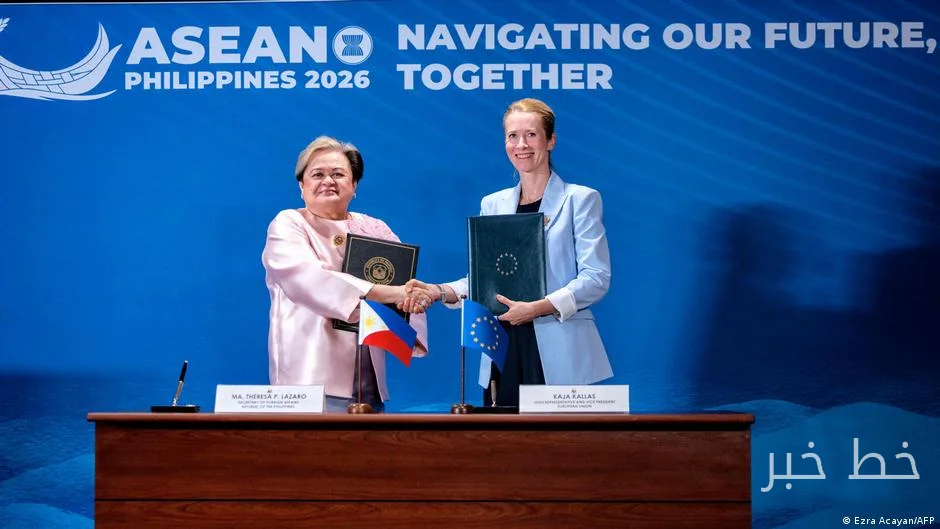
Earlier this week, the European Union and the Philippines announced that they have reached a "meaningful agreement" regarding their free trade agreement, paving the way for formal finalization in the coming months. Chris Humphrey, Executive Director of the EU-ASEAN Business Council, noted the increasing EU engagement with ASEAN in trade and investment, describing it as at the highest level in history.
Trade in goods between the EU and Southeast Asia reached €274.9 billion ($313.7 billion) last year, marking an increase of about 6 percent compared to the previous year and over 50 percent more than the €177.9 billion recorded in 2016.
Additionally, the EU-ASEAN Business Council has called for the establishment of a regional economic framework to achieve a regional free trade agreement. Humphrey stated that this framework should begin with a modular approach, perhaps starting with agreements on digital trade and investment protection.
Despite the challenges in negotiations for a regional agreement, completing current bilateral agreements could help the EU gain preferential trade access to more major ASEAN countries and demonstrate that Southeast Asia is on Brussels' trade agenda.