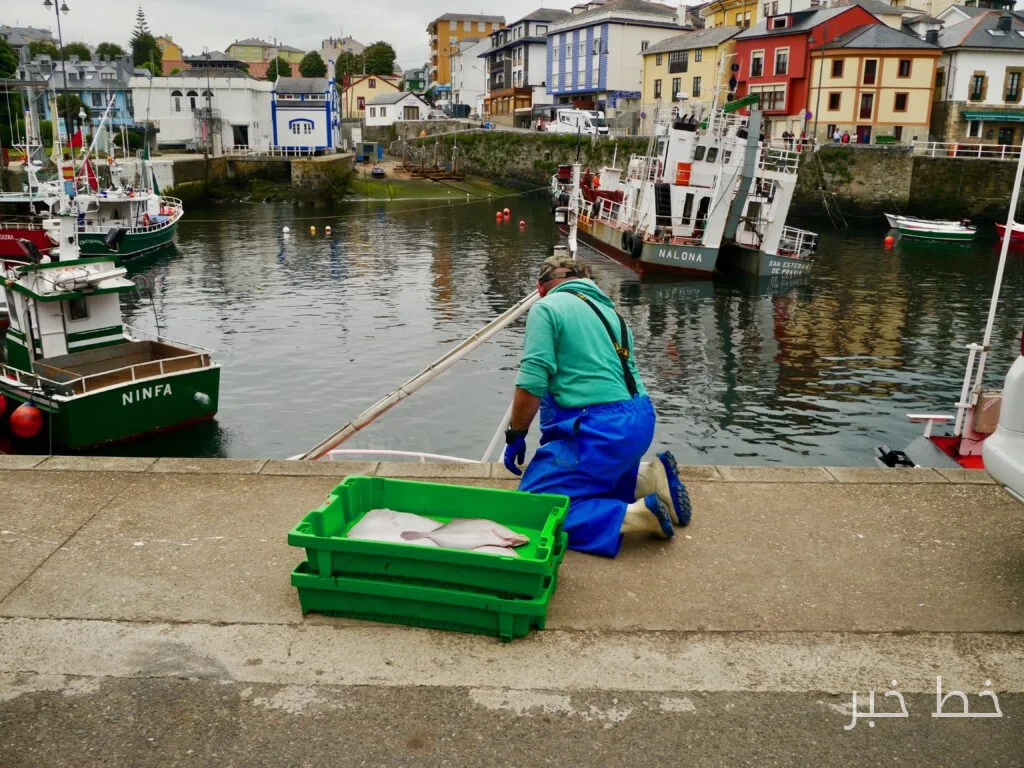
The European Union (EU) is striving to contribute to ocean health and marine resources by maintaining the principles of the Common Fisheries Policy (CFP). Ocean health is vital not only for food security and the livelihoods of billions of people but also for biodiversity and climate stability. As we approach the 2030 Sustainable Development Goals (SDGs), the need for strengthening global ocean management is increasingly felt.
Importance of the Common Fisheries Policy
The EU's Common Fisheries Policy is recognized as one of the most ambitious fisheries management frameworks in the world. This policy, revised in 2013, is based on sustainability principles and aims to preserve fish stocks and improve the management of marine resources. Despite existing challenges, including political pressures and the need for changes, this policy has moved towards achieving healthy fish stocks and better management.
Read more: Climate change seriously affects people's daily lives
The Common Fisheries Policy also refers to legal commitments to end overfishing, restore fish stocks to sustainable levels, and promote access for small-scale fishers. Through these actions, the EU has been able to establish higher standards in sustainability and labor rights.
Challenges and Political Pressures
Today, the Common Fisheries Policy faces increasing political pressures, with some calls for reforms demanding greater flexibility in sustainability principles such as catch rates and fleet capacity. While policies must evolve in light of new evidence and changing conditions, there is a clear distinction between constructive reforms and undermining fundamental principles.
The main challenge facing EU fisheries is ensuring the full implementation of achieved goals and protecting the long-term interests of this sector. The European Commission's assessment of the Common Fisheries Policy indicates that the policy is generally appropriate and emphasizes the need for stronger enforcement.
As one of the largest markets for seafood products and fishing powers in the world, the EU has a significant impact on global fisheries governance. Through sustainable fisheries partnership agreements with non-EU countries, the Union has helped promote higher standards in sustainability and transparency.
Undermining the fundamental principles of the Common Fisheries Policy could lead to long-term vulnerabilities for this sector. Sustainability is not just a limitation on economic performance; it is the foundation of it. Food security, competitiveness, and sustainable livelihoods depend on abundant fish populations and healthy marine ecosystems.
Ultimately, the European Union must strive to defend a strong and science-based Common Fisheries Policy. This action is not only an investment in ocean well-being but will also contribute to achieving international sustainability goals.
Read more: Ocean climate in the next four years will determine the future of the seas