The fuel shortage in five countries has reached a crisis level and has serious implications for the daily lives of people. The Strait of Hormuz has been largely closed since Iran retaliated in response to attacks by the United States and Israel on February 28, and the advance of Yemen's Ansar Allah in the Bab al-Mandab Strait has also put pressure on main transit routes.
Impact on Different Countries
The International Energy Agency (IEA) has announced that the refined shipments leaving the Persian Gulf are still less than half of their February rate. Russell Hardy, CEO of Vitol, stated at the Asia-Pacific Oil Conference that the market has lost about two million barrels per day from Russian products and nearly another two million barrels from the Middle East.
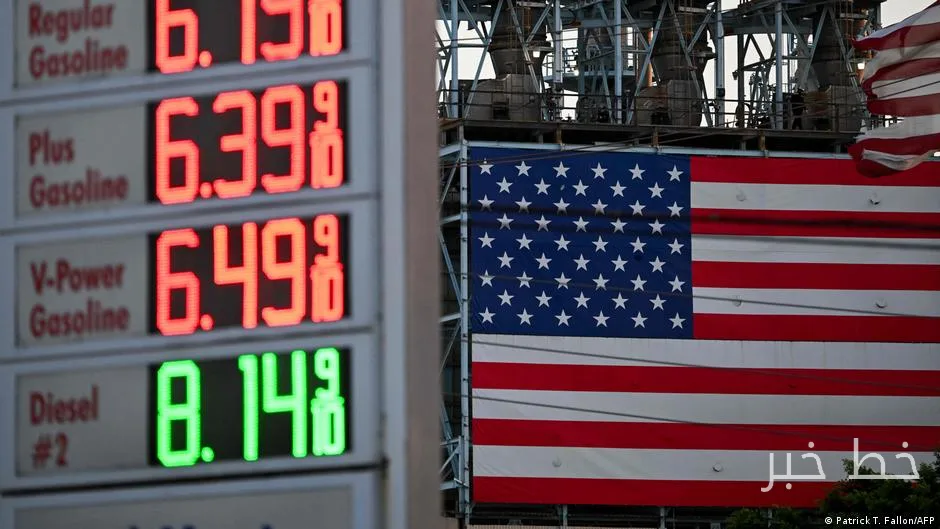
In France, between 10 to 12 percent of gas stations were out of at least one fuel from September 13 to 15, and the price of SP95-E5 gasoline reached an unprecedented record of 2.17 euros per liter. President Emmanuel Macron announced on September 18 that France may release its strategic reserves and called for a G7 meeting for coordinated action.
Situation in Pakistan and Bangladesh
Pakistan, which had lifted its emergency fuel restrictions on June 20, has reinstated them after 89 days. As of September 17, shops and shopping centers must close by 9 PM. The government has also banned the purchase of new vehicles and foreign travel and issued an order to reduce non-salary expenses by 5% for the fiscal year 2026-2027.
In Bangladesh, over 90 percent of the country's oil is imported, and residents of Dhaka, a city with nearly 40 million people, must adjust their days based on the time the stove lights up and the length of the gasoline queue. The government has resorted to energy rationing to cope with this crisis, and shops and shopping centers must close earlier than before.
Similar conditions prevail in Indonesia and Nepal. In Indonesia, gasoline rationing was implemented by decree on September 12, and in Nepal, the Minister of Supplies resigned due to the gas supply crisis for cooking. The crisis in Nepal has been exacerbated by landslides and the closure of the Prithvi Highway.
The heating season in the Northern Hemisphere will begin in the coming weeks, and Pakistan, Bangladesh, and Indonesia will face serious challenges in securing their winter supplies. No one knows whether other countries will assist France and other crisis-hit nations, but the current situation is extremely concerning.
Read more: Terrorist Attacks in France Denied: What is the Reason for the Train Derailment?