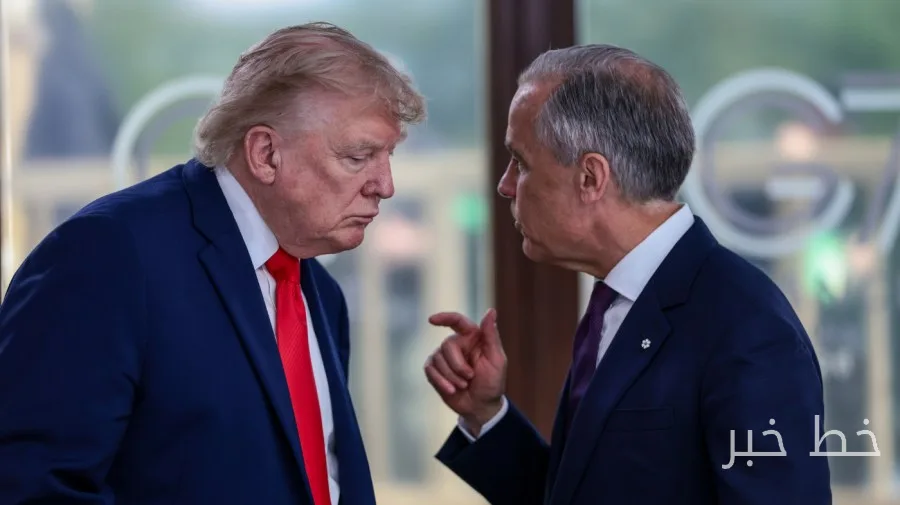
A large majority of adults in the United States and Canada in a new poll stated that they oppose Donald Trump's decision to increase import tariffs from Canada. This poll, conducted by Politico and Public First, shows that 83% of Canadians and 56% of Americans view this action as wrong.
Poll Details
The mentioned poll was released on Wednesday and clearly shows that most people in the two neighboring countries have a negative view of Trump's tariff policies. These tariffs, which were imposed to protect U.S. domestic industries, have, according to many economic experts, led to increased costs and pressure on consumers instead of creating jobs.
Read more: Macron Calls for Energy Ceasefire Between Ukraine and Russia
Economic Consequences
Economic analysts believe that increasing tariffs could have widespread repercussions for trade relations between the United States and Canada. These tariffs not only affect the prices of imported goods but could also weaken the friendly relations between the two countries. Canada, as one of the largest trading partners of the United States, will be harmed by this action and may seek alternative solutions to meet its needs.
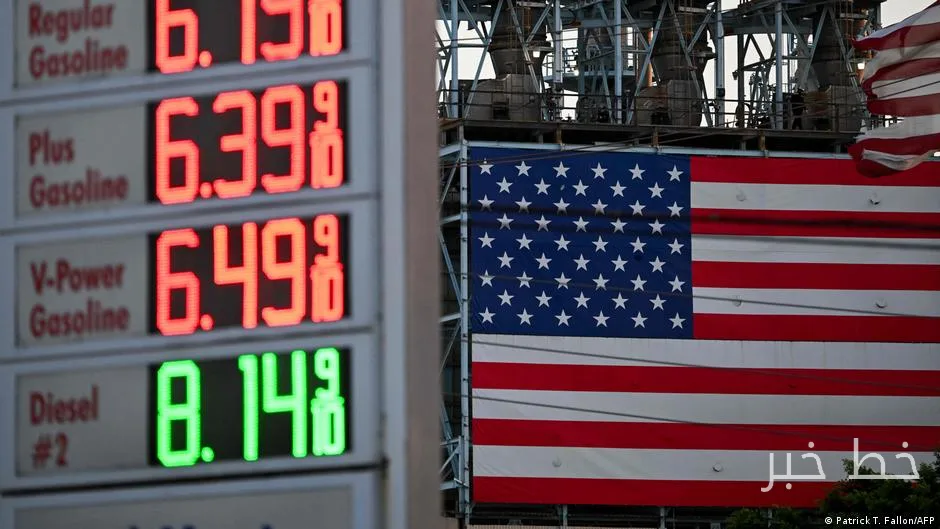
At the same time, this poll also shows that many Americans are concerned about the consequences of these tariffs on the prices of everyday goods. According to experts, this increase in tariffs could lead to higher prices for food and other essential goods, putting more pressure on the lower-income classes of society.
Public Reactions
In response to this poll, some members of the U.S. Congress have called for a review of their trade policies. They believe that instead of increasing tariffs, efforts should be made to create new trade agreements and strengthen economic cooperation with Canada and other countries. This poll clearly indicates that public opinions regarding Trump's trade policies are changing and may influence future political decisions.
Ultimately, this poll could be a sign of future changes in U.S. trade policies, and public dissatisfaction with the imposed tariffs may affect the electoral process and economic decision-making in the country.
Read more: Paramount Overcomes One of the Biggest Hurdles in Merger with Warner Bros