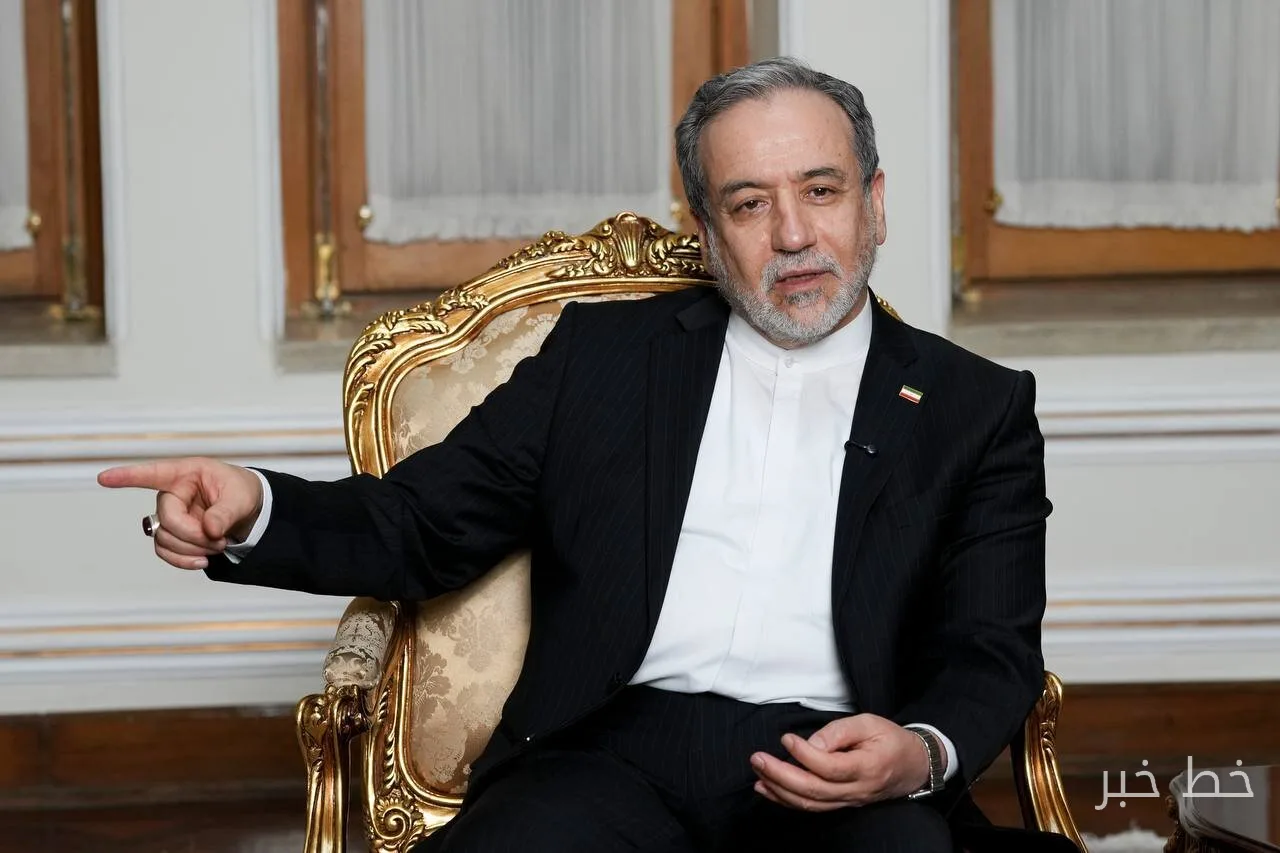
The performance of the Ministry of Foreign Affairs and Seyed Abbas Araghchi in the field of Iran's oil diplomacy has been heavily criticized. The main question is, what is the output of this diplomacy for Iran, and what costs does the other side pay for its breaches of commitment? This criticism is particularly highlighted in light of the latest efforts to hold meetings in Oman between Iran and the Gulf Cooperation Council countries regarding transit arrangements in the Strait of Hormuz, meetings that have been postponed due to a lack of consensus and opposition from some regional countries.
Challenges of Iran's Diplomacy
In recent months, Tehran has repeatedly emphasized that the management and arrangements of the Strait of Hormuz is a sovereign and strategic issue. Seyed Abbas Araghchi had also previously stated that any foreign interference in this matter could complicate the negotiation process. In this context, the main question is why the Islamic Republic should incur such diplomatic costs to align with countries that are influenced by Washington's considerations on the most sensitive security issues in the region?
Oil Market Reaction to Diplomatic Developments
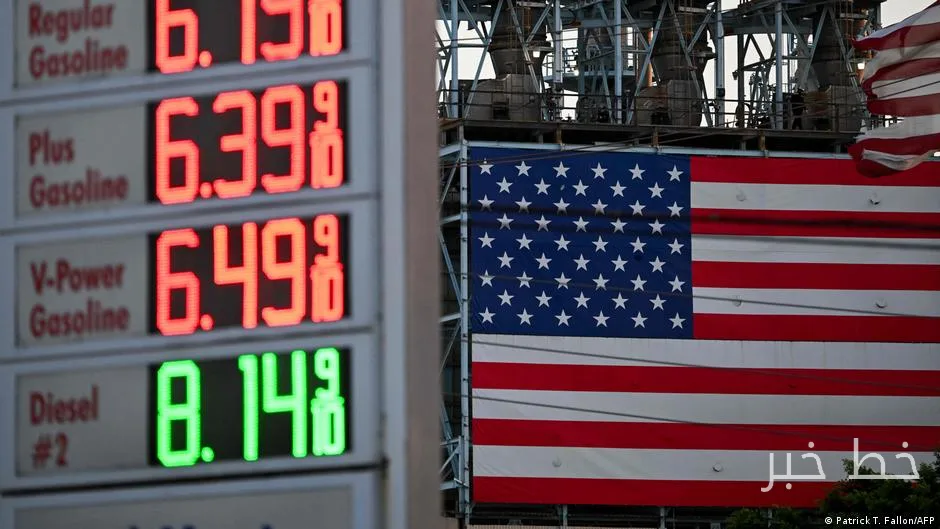
In recent days, the oil market has shown interesting reactions to news of reduced tensions and potential agreements regarding transit arrangements in the Strait of Hormuz. For instance, after consultations between Iran and Oman regarding temporary arrangements in Hormuz, Brent oil prices fell by about 2.5 percent. Conversely, with the escalation of conflicts and disruptions in export routes, oil prices rose to over $100. This reality does not inherently indicate either success or failure of Iran's diplomacy, but raises a more serious question: What is Iran's share of this diplomacy?
Especially since the planned meeting between Iran and the Arab Gulf countries in Oman has also been postponed due to a lack of consensus. Iran needs diplomacy, but this diplomacy only makes sense when the other side knows that failing to fulfill commitments will incur specific costs. If every time a meeting is held, a new statement or promise is made, and oil prices drop based on the goals of the U.S. regime, it is natural for public opinion to question what the tangible achievements of this process are for Iran.
The Necessity of Transparency in Diplomacy
Now is the time for the Ministry of Foreign Affairs to focus not just on the number of meetings, but to clearly report on measurable achievements of diplomacy. These achievements should include financial resources, economic benefits, and political and security guarantees in the Strait of Hormuz. Negotiation should be a tool for securing national interests, not an end in itself. If Iran is to withstand external pressure, it must show that it recognizes concessions for concessions, and no country can create a cost for Iran with vague promises without paying a cost in return.