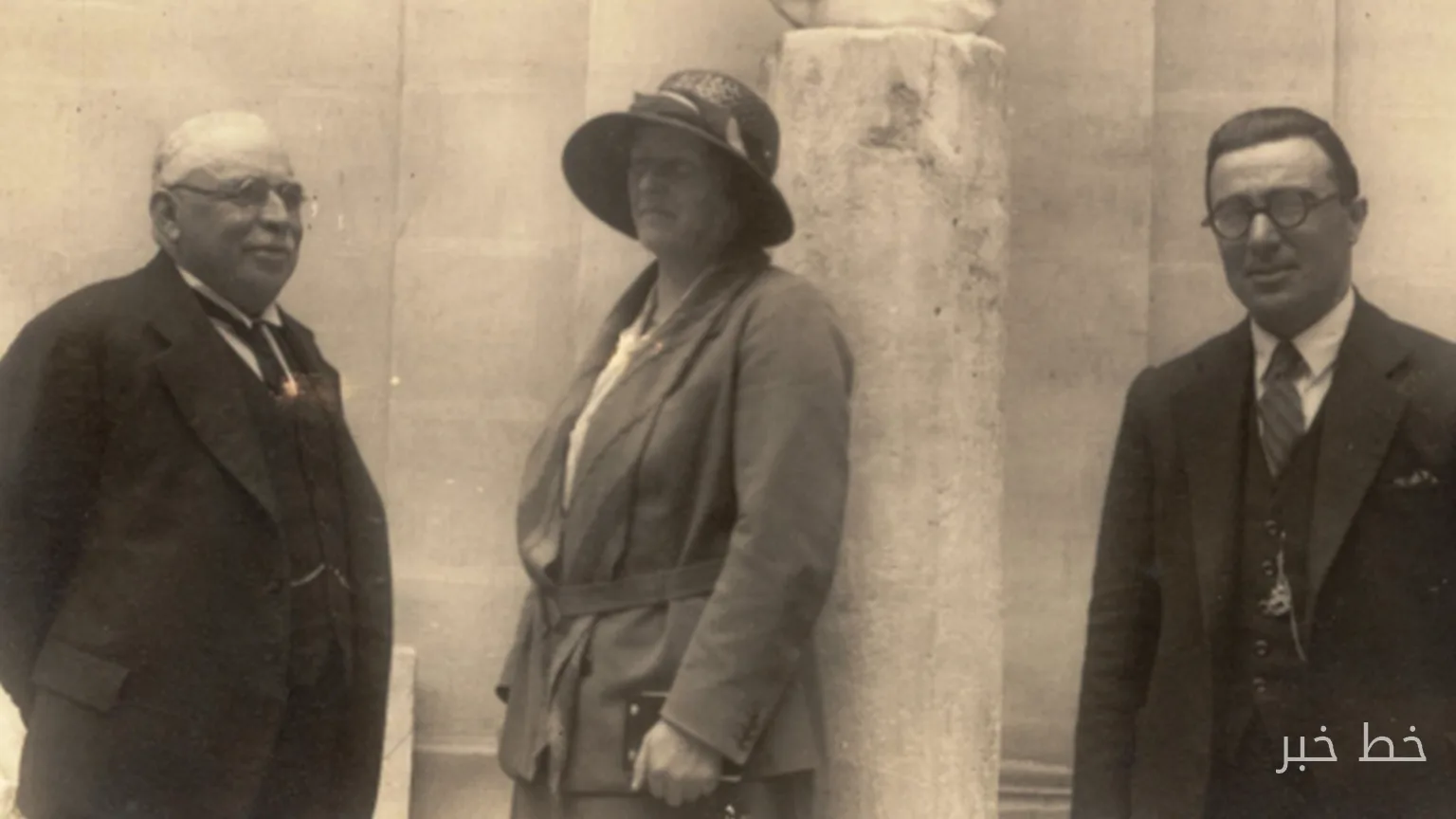
In the world of fossils, the name Dorothea Bitt shines as one of the greatest pioneers of paleontology. In recent years, her astonishing discoveries have provided us with a new picture of natural history. Recently, her efforts in this field have been recognized with the installation of a blue plaque, signifying her profound impact on the science of paleontology.
Astonishing Discoveries
Dorothea Bitt not only discovered the dwarf elephant but also introduced an extinct antelope named Miotragus to the world of science. This amazing antelope, due to its unique features, has attracted the attention of scientists and has added to the richness of biodiversity in ancient times. Bitt, with precision and perseverance in her excavations, has obtained evidence that contributes to a better understanding of the lives of past animals.
Impact on the Future of Paleontology
The discoveries of Dorothea Bitt have not only added to natural history but also allow us to have a better understanding of past ecosystems and their changes. With the installation of the blue plaque, this pioneering paleontologist is recognized not only as a distinguished scientist but also as an inspiration for future generations of paleontologists. By demonstrating the importance of our natural heritage, she reminds us that the preservation of this heritage is our responsibility.
However, questions arise about the future of paleontology and its challenges. In the contemporary world, climate change and habitat destruction can impact the process of fossil discoveries. Will future paleontologists be able to achieve such accomplishments under current conditions and with existing challenges?