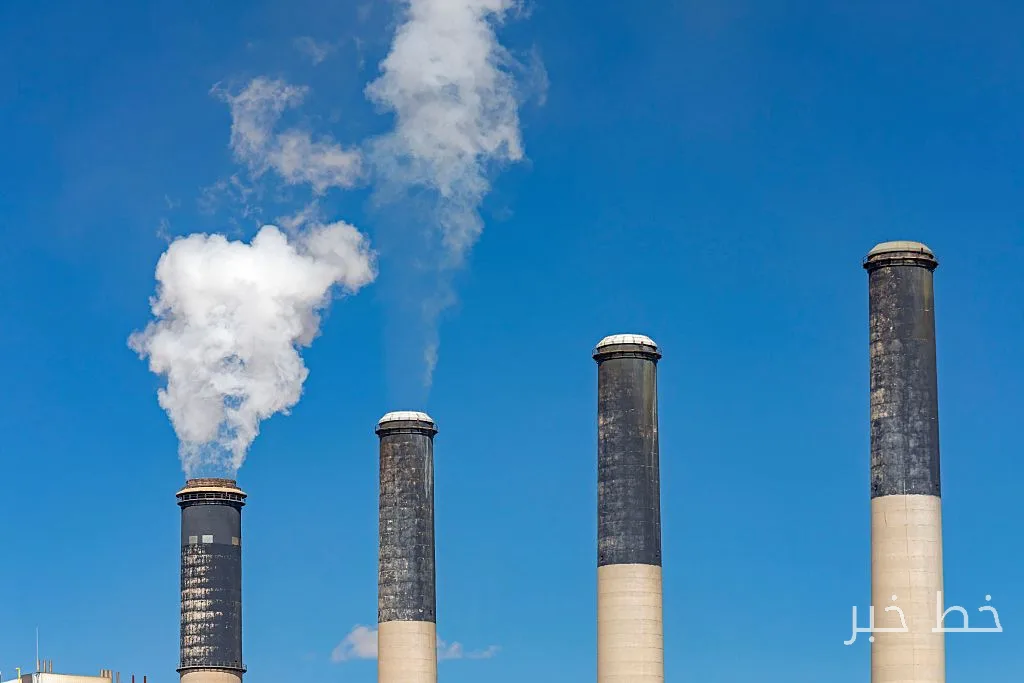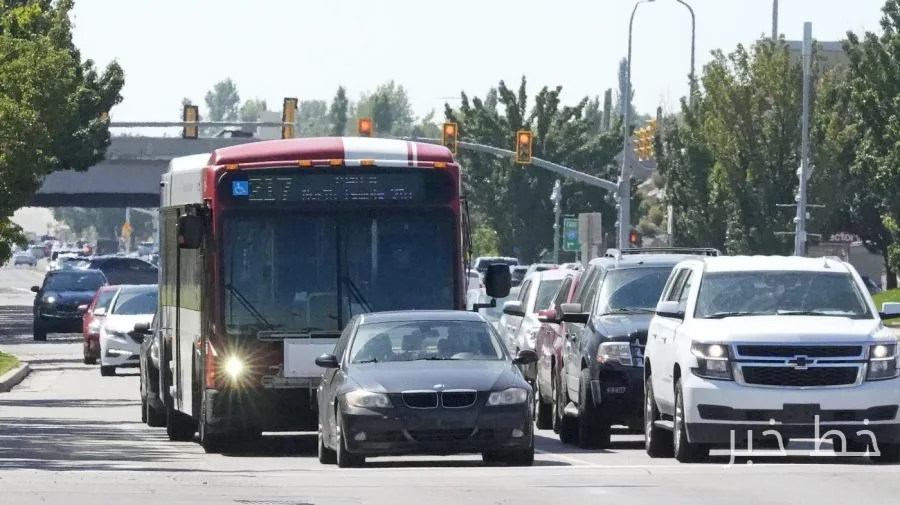
The Trump administration reduced fuel efficiency standards for cars and light trucks, allowing automakers to easily avoid stricter regulations. This action follows the Biden administration's efforts to increase fuel efficiency standards and could have widespread impacts on the environment and the economy.
History of Fuel Efficiency Standards
Fuel efficiency standards for vehicles have come under environmental and economic pressures in recent years. During Barack Obama's presidency, targets were set to reduce fuel consumption and increase vehicle efficiency. These standards were specifically designed to reduce greenhouse gas emissions and ensure sustainable energy.
Read more: Rescue of a Python from the Front of a Car in New Jersey
New Impacts and Consequences
Reducing these standards allows automakers to produce vehicles with higher fuel consumption without fear of financial penalties. This could lead to increased demand for larger, less fuel-efficient vehicles, resulting in negative impacts on air quality and climate change. Additionally, this decision could undermine global efforts to combat climate change.
Some experts warn that lowering fuel efficiency standards may lead to increased dependence on fossil fuels, which could affect the country's energy security. Furthermore, increased fuel consumption means higher costs for households for fueling their vehicles.
Read more: Voting for Fat Bear Week at Katmai National Park in Alaska is Underway · Sadiq Khan Announced the Implementation of Part of Oxford Street in London