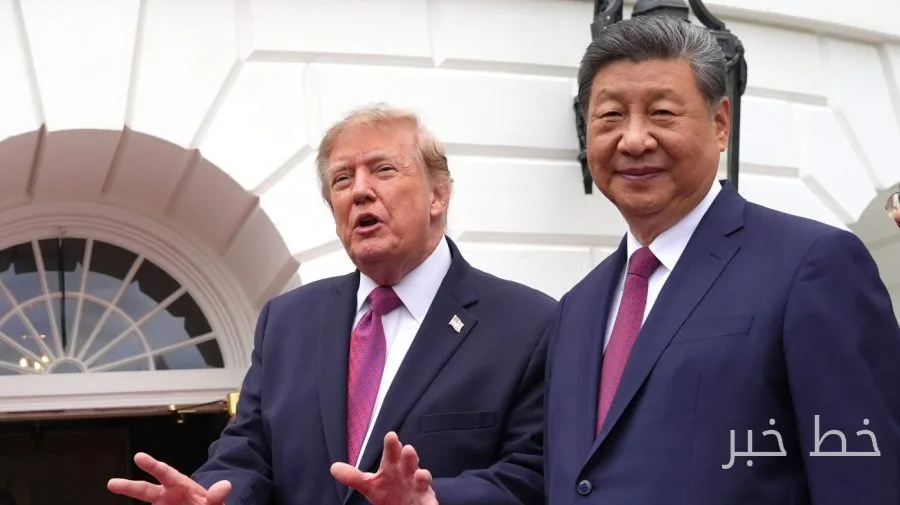
The United States and China reached an agreement that includes reducing tariffs on goods worth $30 billion. These agreements also include the initiation of new discussions on artificial intelligence (AI). These agreements were reached following President Trump's meeting with Chinese President Xi Jinping.
Details of the Agreements
The agreements reached at this meeting are part of an eight-point agreement that was signed during Xi Jinping's three-day visit to Washington, D.C. These agreements come in the wake of trade and economic tensions between the two countries and aim to reduce trade barriers and facilitate the exchange of goods and services.
Read more: Trump's Unprecedented Drop in Popularity in Polls: A Warning for Republicans
Impacts on Economic Relations
Reducing tariffs could help increase trade volume between the two countries and benefit the economies of both sides. These agreements, particularly in the fields of technology and innovation, could help improve trade relations between the United States and China. Additionally, the new discussions on artificial intelligence reflect both countries' efforts to manage the technological and ethical challenges associated with this field.
While these agreements help reduce tensions in economic relations between the two countries, there are also concerns about their long-term implications. Some experts believe that these agreements may not fully resolve the existing structural issues in U.S.-China economic relations.
Future Implications
The recent agreements could be seen as a turning point in the relations between the two countries. Given that both countries play significant roles in the global economy, these developments could have widespread impacts on global markets and supply chains. Furthermore, these agreements may provide lessons for other countries on managing economic and trade relations.
Ultimately, it remains to be seen whether these agreements can lead to greater stability in U.S.-China relations. However, it seems that these agreements are a positive step towards reducing tensions and improving trade relations between the two countries.
Read more: Poll Shows Nearly Half of Young Voters Have a Negative View of Capitalism · Karl Lauterbach Discussed the Political Crisis in Germany and the Need for New Ideas