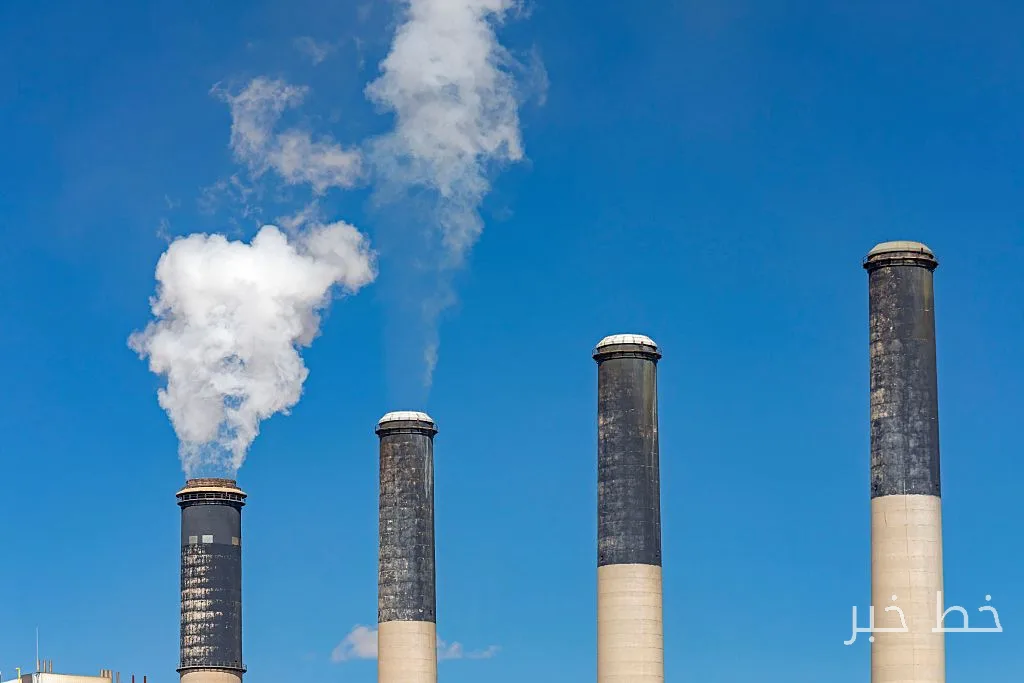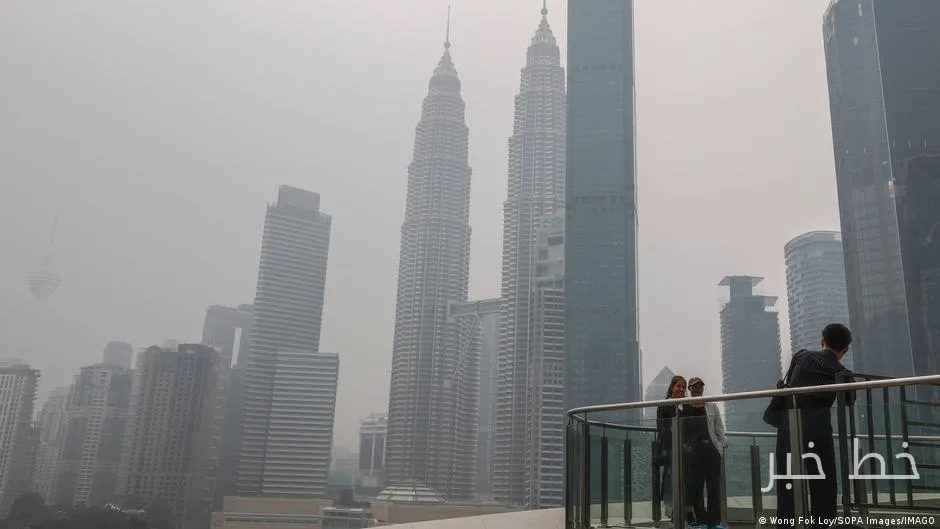
The U.S. Environmental Protection Agency (EPA) announced on Monday that it has decided to end regulations limiting pollution from power plants. This decision will directly impact the levels of greenhouse gas emissions and climate change.
Background of the Limiting Regulations
The regulations limiting pollution from power plants, which were enacted in the past, were established to reduce the negative impacts of climate change and protect the environment. These regulations required power plants to take specific actions to reduce harmful gas emissions. However, with the repeal of these regulations, these requirements will no longer exist.
Read more: August, the Hottest Month in Recorded History!
Economic and Environmental Consequences
The repeal of these regulations could have serious consequences for the environment and public health. Experts warn that this action may lead to increased air pollution and greenhouse gases. Additionally, this decision may align with the economic interests of certain industries, but it will come at the cost of harming the environment and public health.
This action is part of the broader policies of the United States government regarding energy and the environment, which emphasize boosting energy production from fossil resources. While some officials refer to this decision as a step forward for economic freedoms, others view it as a step back in the fight against climate change.
Overall, lifting the pollution restrictions from power plants could lead to new tensions in environmental policy and provoke protests from environmental advocacy groups. In this context, criticism from environmental activists and some lawmakers has increased, and the repercussions of this decision will likely become more apparent over time.
Read more: Super El Niño: Is a Warm and Rainy Winter Awaiting America? · Nile Gold; The Destruction of Sudanese Farms by Gold Mines