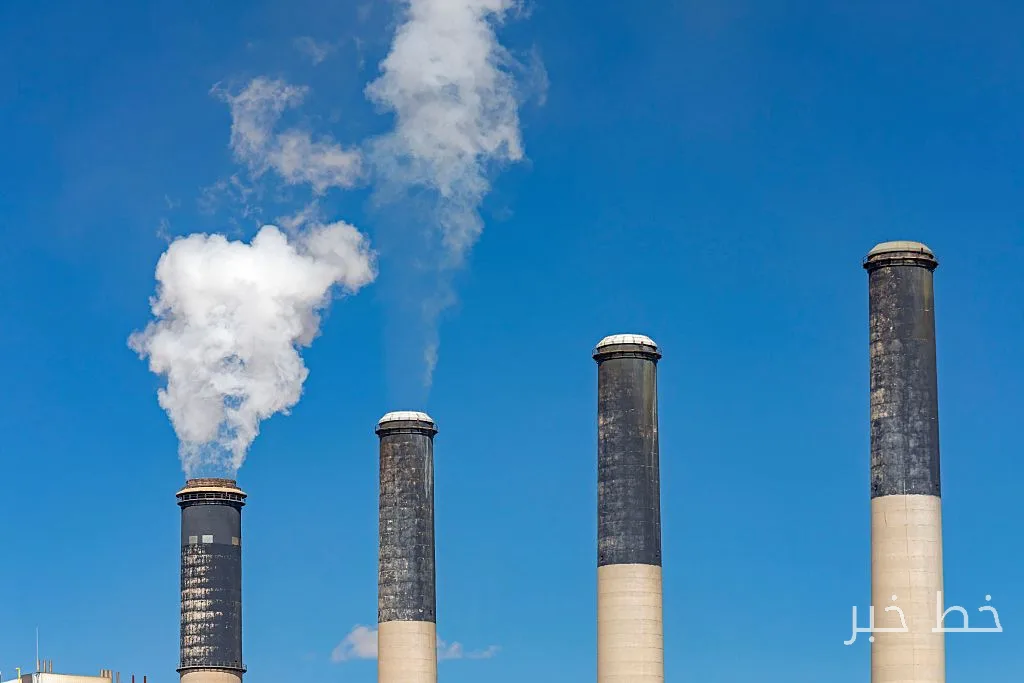
The U.S. Environmental Protection Agency (EPA) revoked regulations related to carbon pollution from coal and gas power plants on Monday. This decision, which is based on previously rejected ideas, claims that "greenhouse gas emissions from power plants do not have a significant impact on global climate change." This statement clearly contradicts decades of science that shows reducing pollution has numerous benefits for human health and the environment.
Details of the Revocation
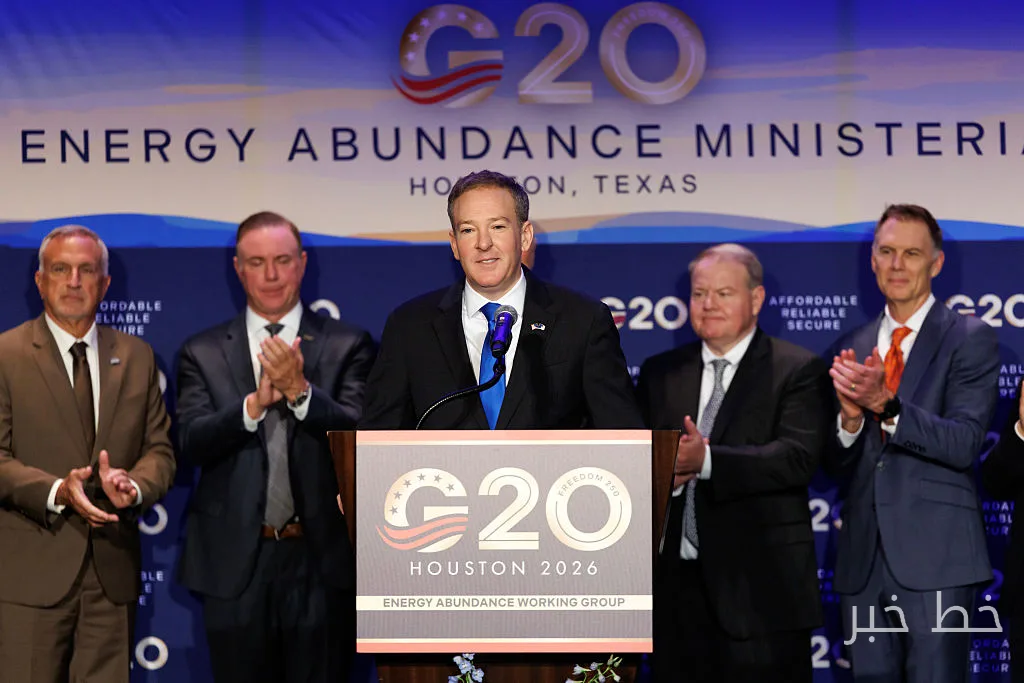
Lee Zeldin, the EPA Administrator, announced this decision at the G20 meeting in Houston, Texas, on September 14. The agency will now hold a public meeting to review this proposal for 15 days, and a 45-day public comment period is also planned.
The share of the U.S. power sector in greenhouse gas emissions is very high. According to the latest data, this sector emitted 1,427 million metric tons of carbon dioxide in 2024, making it the second-largest source of greenhouse gas emissions in the United States. A report released in May 2025 by the New York University Policy Institute indicates that if the U.S. power sector were an independent country, it would be the sixth-largest emitter in the world.
Consequences of Revoking Regulations for Public Health
This revocation comes at a time when the United Nations warns that the world is on track to exceed a temperature increase of 1.5 degrees Celsius, and without immediate changes to reduce emissions, temperatures will rise to 1.8 degrees Celsius. The revoked regulations, finalized by the Biden administration in 2024, required coal-fired power plants and any new gas-fired plants to install technologies to capture more of their carbon emissions by 2039.
The Biden administration had projected that these regulations could prevent up to 1,200 premature deaths, 360,000 asthma-related incidents, 48,000 school days missed, and 57,000 lost workdays by 2035. It was also expected that these regulations would bring up to $370 billion in net benefits for climate and public health over the next two decades.
The revocation of these regulations is part of the Trump administration's efforts to roll back federal climate regulations. In February, the EPA decided to revoke its hazardous findings that had established a legal framework for regulating greenhouse gases in 2009. The agency also stated that the Clean Air Act does not allow it to regulate vehicle emissions and rolled back Biden-era restrictions on hydrofluorocarbons.
Additionally, the Trump administration took steps to preserve coal-fired power plants, even though coal is one of the most expensive sources of electricity generation and its pollution is linked to many negative health effects, including increased risks of asthma and cancer. In February, the Department of Energy ordered that several coal-fired power plants scheduled for closure remain operational.
Global Impacts of Carbon Pollution
While the EPA under the Trump administration claims that health impacts are "uncertain," experts believe that scientific evidence clearly indicates otherwise. Analyses from the Trump administration itself in 2025 show that eliminating carbon pollution standards for coal and gas power plants will lead to thousands of premature deaths and billions of dollars in increased health costs for Americans.
Jim Zhang, a professor of global health and environment at Duke University, states: "The science is very clear. All evidence shows that these pollutants cause heart and respiratory diseases, exacerbate asthma and heart conditions, and are associated with increased mortality and emergency room visits." Communities surrounding power plants, which are predominantly low-income, are at high risk for health problems.
As the United States revokes these standards, the health impacts will extend beyond borders. "Health damages are not local but global," Zhang says. Environmental and health impacts will be felt, regardless of what the EPA may claim.