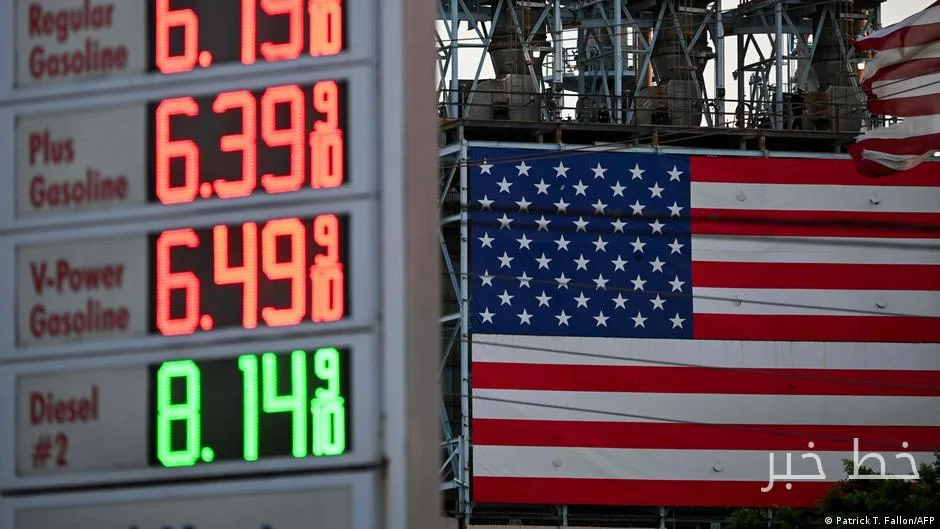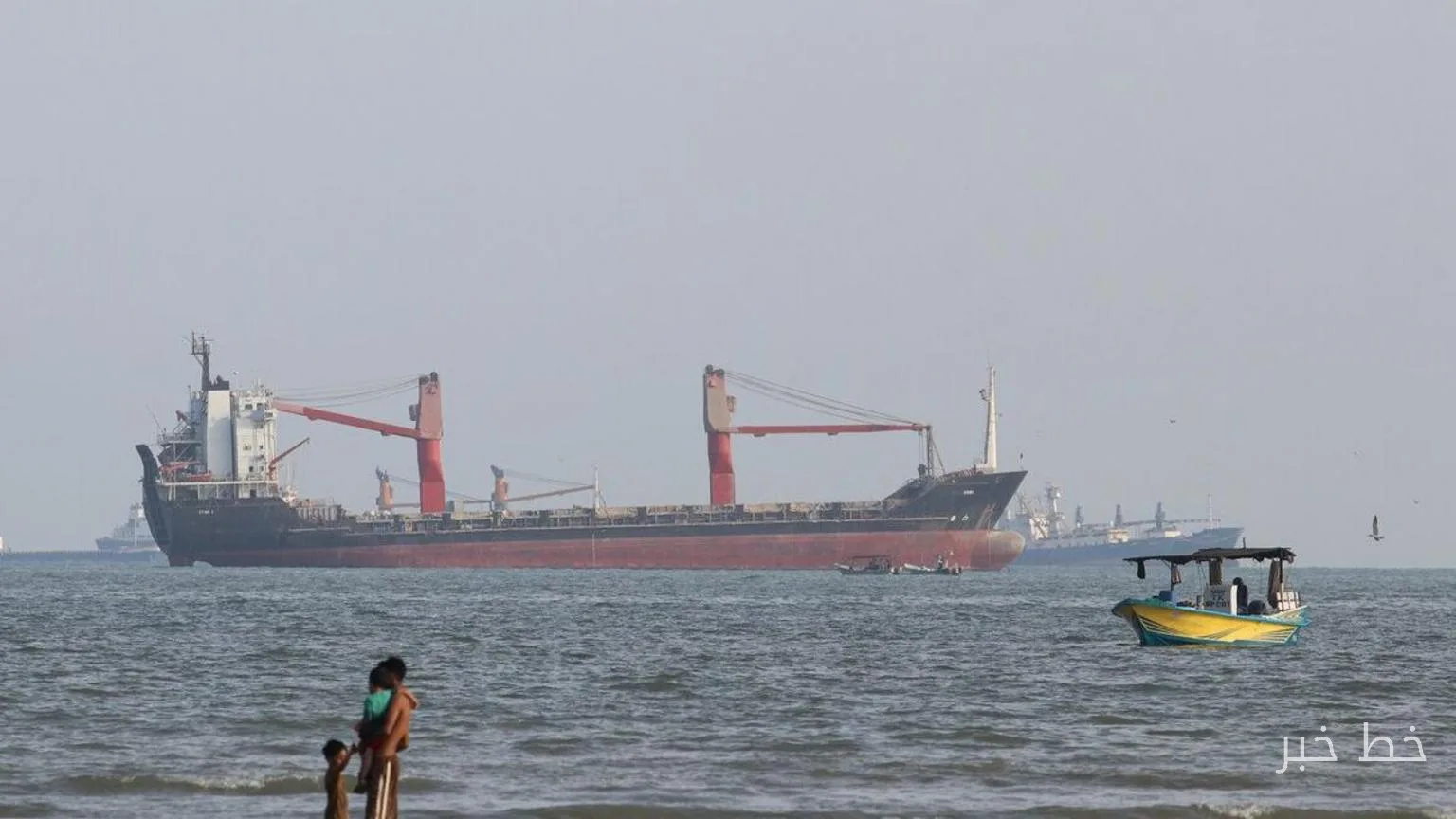
The U.S. government is considering easing sanctions on tankers known as the 'Shadow Fleet' that transport oil and petroleum products from sanctioned countries, including Russia and Iran. According to an unnamed U.S. official, this decision is aimed at reducing shipping rates, which have currently reached an unprecedented level worldwide.
Goal of Reducing Shipping Rates
This official explained that the U.S. government is trying to allow sanctioned ships to carry oil that is not subject to sanctions. The aim of this action is to extract a larger volume of refined products and crude oil from the Persian Gulf. This decision could have significant impacts on the global oil market and prices.
Criticism of Temporary Lifting of Sanctions
The U.S. President recently temporarily lifted sanctions on Russian diesel, which has faced criticism from Volodymyr Zelensky, the President of Ukraine, and some European countries. Additionally, some of Trump’s Republican allies in the U.S. Senate have expressed concerns about this action.
Chris Wright, the U.S. Secretary of Energy, mentioned this issue in a video sent to the Global Petroleum Congress in Riyadh, stating that the government is discussing easing sanctions on the Shadow Fleet. Parts of these remarks have been shared on social media, but due to the lack of access to the full video or its transcript, more details are not available.
Global Petroleum Congress and Absence of Key Figures
The Global Petroleum Congress concludes today, Thursday, in Saudi Arabia. This event has seen the absence of many prominent figures in the oil and energy sector due to Houthi attacks. The U.S. Secretary of Energy was only able to send a video message to the congress, reflecting the current limitations on holding large events in this industry.
These developments come at a time when the oil market is currently influenced by various factors, and any changes in sanction policies could impact prices and oil supply in global markets. Therefore, a thorough examination of these decisions and their consequences, especially for oil-producing countries, is of high importance.
Read more: Major oil-producing countries have agreed to continue production in November · The U.S. Supreme Court rejected the request of attorney Kari Lake