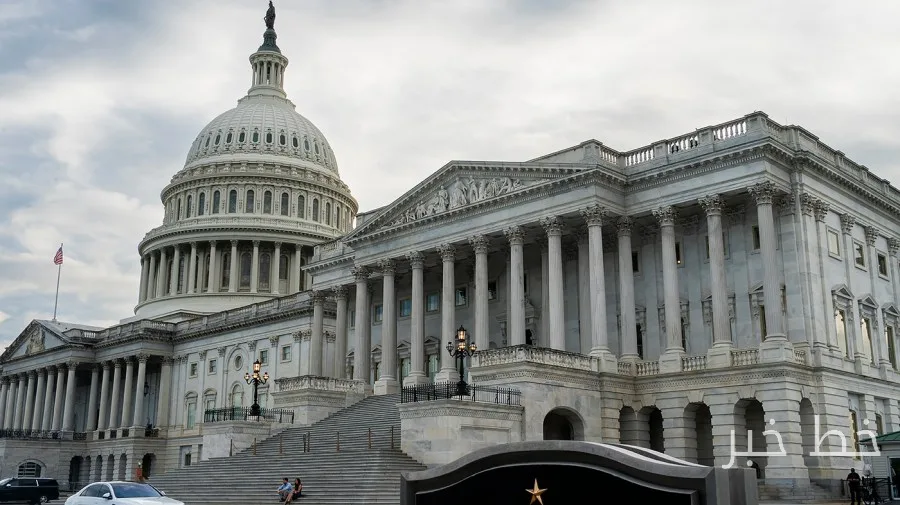
On Wednesday, the U.S. House of Representatives passed a comprehensive sanctions bill against Russia that had long been supported by the late Senator Lindsey Graham. The bill was approved by a vote of 262 to 159 and is now sent to the White House for Donald Trump to sign.
End of a Two-Year Pause in Aid to Ukraine
This vote ends an almost two-year hiatus in congressional aid to Ukraine, as no major actions had been taken to assist Ukraine since the approval of the 2024 emergency aid package. The bill faced numerous obstacles, including serious opposition from some House Democrats who believed it would give the White House excessive tariff powers.
Read more: Senate Agriculture Committee Advances Farm Bill After Mitch McConnell's Return
New Sanctions and Tariffs
This highly anticipated law includes mandatory sanctions against Russian leadership and the energy sector, as well as new sanctions on Moscow's defense industry associates and its shadow fleet. Supporters of the bill, including Ukrainian President Volodymyr Zelensky, believe this law provides the necessary tools for the White House to exert more economic pressure on Russia and reduce the flow of financial resources to Moscow's war machine.
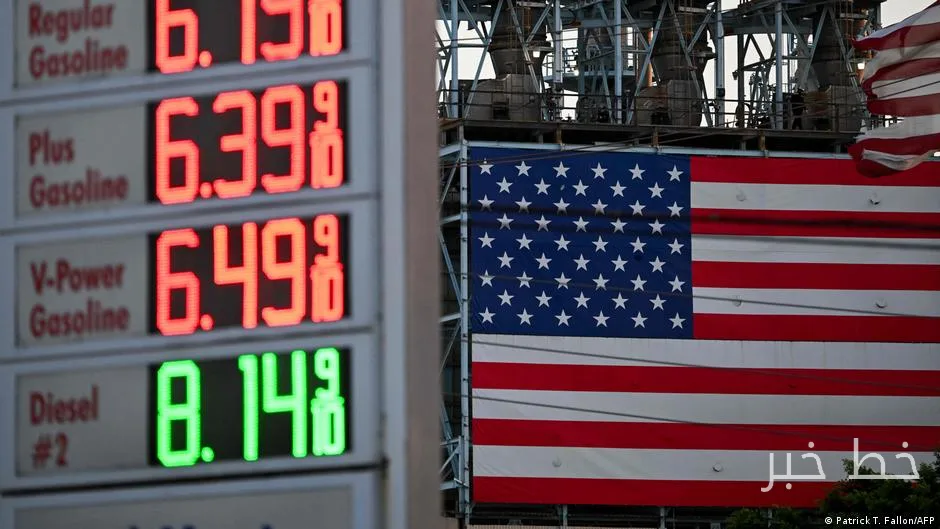
However, many Democrats have serious concerns about the 100 percent tariff provision for major Russian energy buyers. Representative Gregory Meeks (D-N.Y.) stated on the floor, "We cannot give him more tariff power that we know he will abuse." Meeks, who is the senior Democrat on the House Foreign Affairs Committee, argued that these tariffs would exacerbate the economic pain that ordinary Americans are currently feeling.
House Minority Leader Hakeem Jeffries also stated that the way this bill is written does not allow the President of the United States to impose sanctions against Russia. He added, "In fact, it seems that this bill has such loopholes that it is hard to expect the proposed sanctions provisions to become a reality." This disagreement has increased tensions among Democrats in recent days.
In a letter to House Democrats, Jeanne Shaheen (D-N.H.), a senior member of the Senate Foreign Relations Committee, urged her colleagues to pass this bill and warned of the dangerous message that failing to pass it would send to Vladimir Putin and other international adversaries.
Read more: Venezuela Needs $21 Billion for Earthquake Recovery · The Russian Government Considers Trump's Energy Ceasefire Proposal a Good Idea