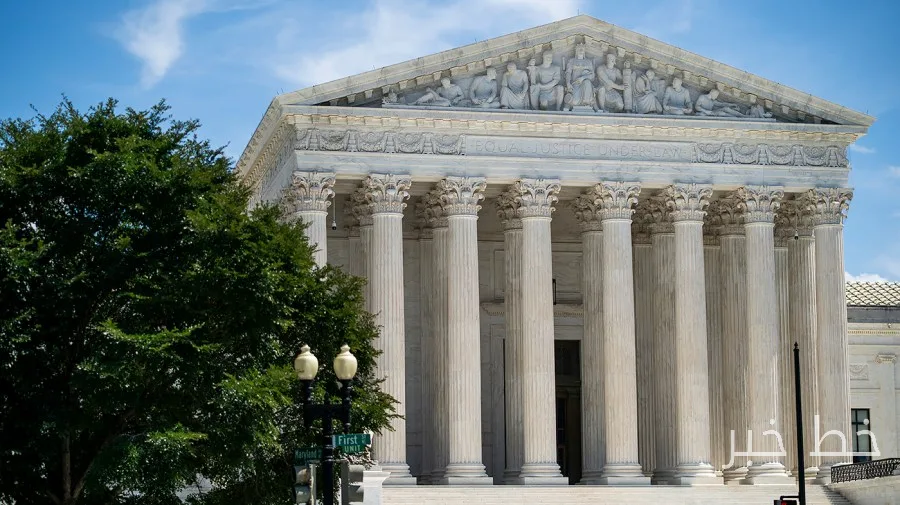
The U.S. Supreme Court will argue on Wednesday regarding the environmental requirements related to World War II munitions that remain in Guam. This case examines what actions the U.S. government must take when managing unexploded munitions.
History of World War II Munitions in Guam
During World War II, Guam served as a strategic base for American forces, resulting in a significant amount of munitions and explosives remaining on the island. After the war, these munitions were transferred to Andersen Air Force Base, and the U.S. government faces environmental challenges related to these residual materials.
Read more: The U.S. Supreme Court Responds to Oil Companies' Request to Prevent Climate Lawsuits
Environmental Laws and Requirements
The U.S. government has acknowledged that it must act in accordance with the Resource Conservation and Recovery Act. This law clearly outlines procedures for managing hazardous waste, and in this case, the main question is what environmental requirements must be adhered to. This issue not only relates to public safety but also has significant environmental impacts.
The dispute is significant because the Supreme Court's decision may set prerequisites for managing hazardous materials in the future and influence the government's approach to environmental issues. Given the presence of unexploded munitions in other areas of the U.S. and around the world, this case could serve as a precedent for addressing similar issues in other regions.
After years of tension and disagreement over how to manage these materials, the U.S. Supreme Court must now decide on the legal challenges and environmental requirements. This decision could have widespread implications for how the government addresses environmental issues and public safety.
Read more: Swiss glaciers have significantly melted in the first eight months of 2026 · The U.S. Supreme Court Denies Kate Rani's Appeal