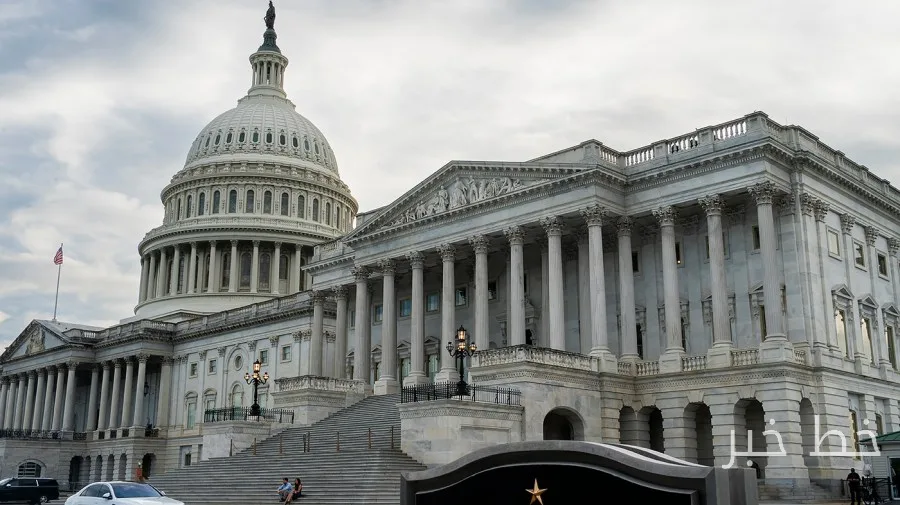
The yield on 30-year U.S. bonds reached 5.45% on Thursday, marking the highest level for this yield in two decades. This increase in bond yields reflects economic volatility and its impact on financial markets. The rate reached 5.446% early in the morning and then returned to 5.45% with a decrease of approximately 2 basis points.
History of 30-Year Bond Yields
30-year U.S. bonds are recognized as one of the key indicators of financial markets, and changes in their yield can signal the economic status of the country. In recent years, the yield on these bonds has experienced significant fluctuations due to rising interest rates and concerns about inflation. In 2004, the yield on these bonds reached its highest level and had gradually decreased since then.
Read more: Republicans are increasingly distancing themselves from Trump on Iran
Consequences of Rising Yields
The increase in the yield on 30-year bonds can have widespread effects on other sectors of the economy. One of the main consequences of this increase is higher borrowing costs for the government and companies, which could lead to slower economic growth. Additionally, rising rates can negatively impact the housing market and mortgage loans, as borrowing costs for buyers increase.
The yield on 30-year bonds also serves as a benchmark for determining interest rates in other markets. Therefore, fluctuations in this rate can lead to changes in loan interest rates, including mortgages and personal loans. Thus, this increase can affect the financial decisions of households and businesses.
As a result, given the current economic conditions and concerns about inflation, investors and analysts should closely monitor developments in the yield on 30-year bonds. These developments could signal larger changes in the U.S. economy and impact financial decisions in the future.