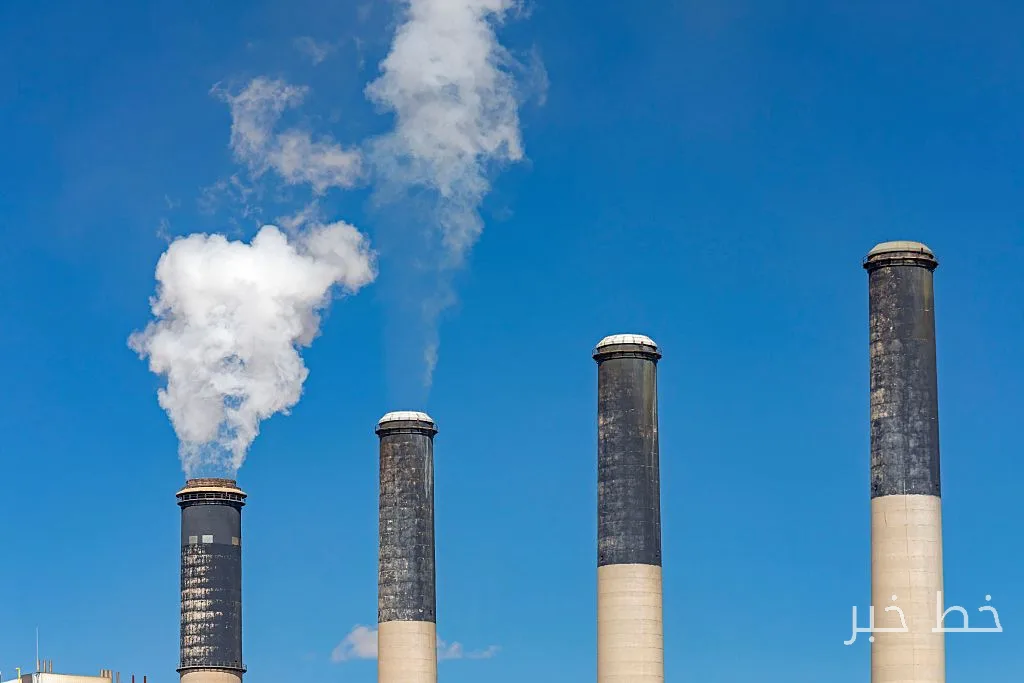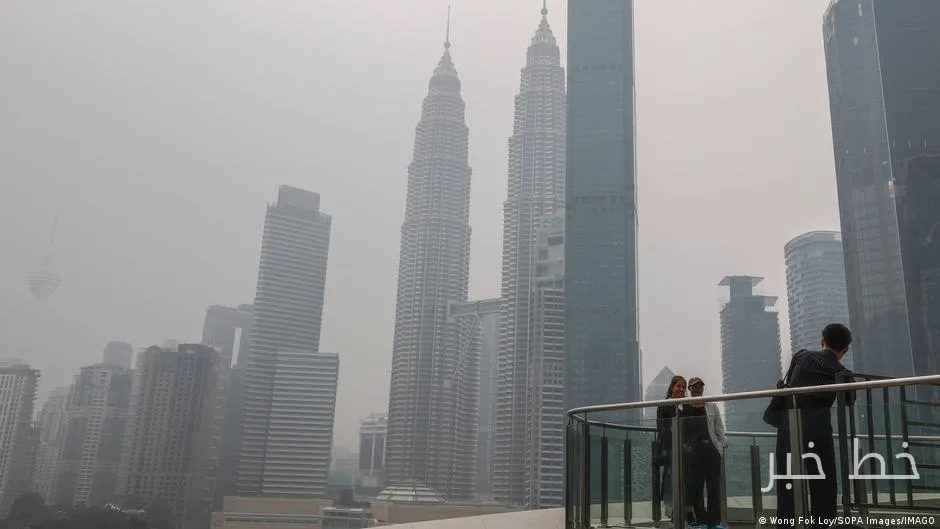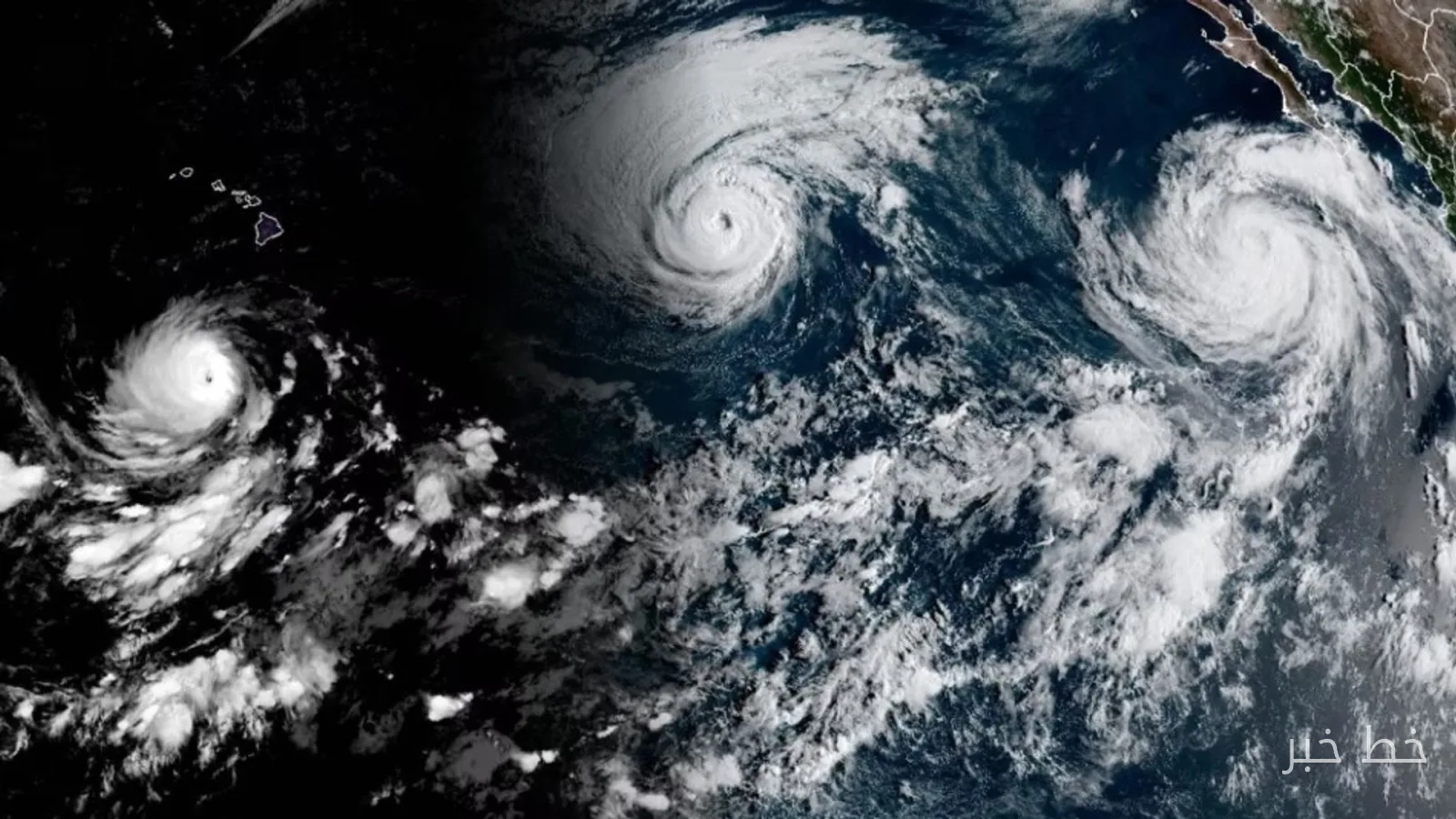
As the world moves towards climate change, three major storms in the Pacific remind us of how destructive the power of nature can be. These storms are the result of the El Niño phenomenon, which undeniably affects weather activities.
El Niño and Its Effects
El Niño is a natural phenomenon that typically occurs every few years and has profound effects on the global atmosphere and climate. This phenomenon can lead to increased temperatures and changes in precipitation patterns in various regions, which in turn have serious impacts on agriculture, water resources, and even human life.
The recent storms in the Pacific, known by their strong names, clearly represent these changes and the intensity of El Niño. It seems that these storms not only showcase natural power but also serve as a warning to humanity. These events can affect coastal communities and local economies, creating a need for greater preparedness to deal with natural crises.
Consequences and Challenges
With the onset of storm season, the question arises whether local communities are prepared to face these crises. Every year, with the increasing number and intensity of storms, the need for resilient infrastructure and preventive programs is felt more than ever. Governments and international organizations must make significant efforts to reduce damage and protect human lives.
Ultimately, these three storms are just a sign of the power of nature and its effects on human life. We must pay attention to the reality that climate change is not only an environmental crisis but also a serious challenge for the future of humanity. Are we ready to face these challenges?