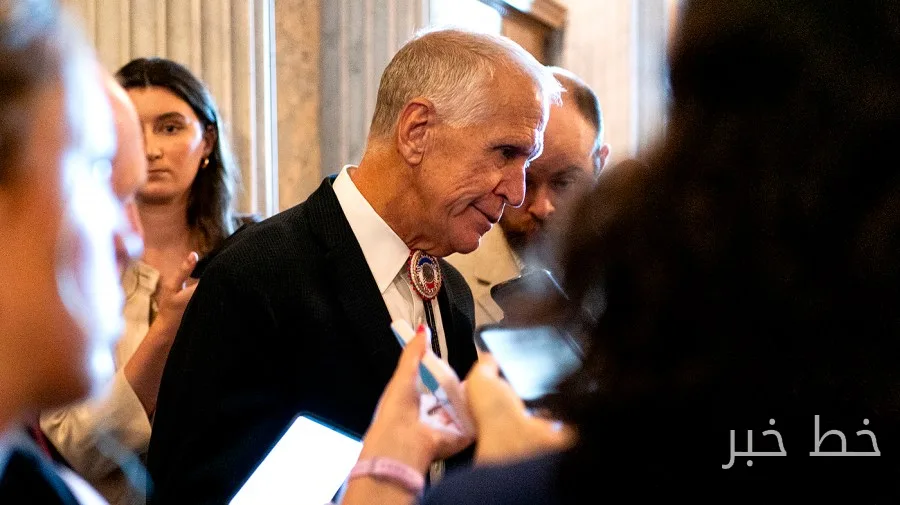
Senator Thom Tillis from North Carolina strongly criticized President Donald Trump's agreement with Russia regarding the sale of diesel fuel on Sunday. This agreement comes at a time when the United States is facing serious energy challenges.
Criticism of Trump's Agreement
Tillis stated, "The President must act on the sanctions bill we sent him. This agreement with Russia undermines Senator Lindsey Graham's efforts to impose further sanctions." He also noted that this agreement could weaken the United States' position against Russia, especially as countries strive to reduce dependence on foreign energy sources.
Read more: Increase in gold prices in the global market following the decline in the value of the dollar
Economic and Political Consequences
Tillis's criticism of Trump's agreement points to deeper economic and political challenges. The United States, while trying to navigate the energy crisis caused by the Ukraine war and global sanctions against Russia, needs stronger alliances with other countries. Trump's agreement with Russia could weaken these alliances and diminish the confidence of allied nations.
The agreement with Russia has also raised concerns about its impact on global oil markets and prices. Given that the United States is seeking to increase domestic production and reduce dependence on foreign oil, such agreements could harm the country's long-term goals.
Senator Graham's Efforts
Senator Lindsey Graham, a leading supporter of sanctions against Russia, is trying to exert more pressure on the Russian government through a bill he has introduced to Congress. Tillis pointed out that Trump's agreement could undermine Graham's efforts and limit his maneuverability in Congress.
Ultimately, Tillis's criticisms highlight the challenges the Trump administration faces. While some members of the Republican Party seek to strengthen tougher policies against Russia, such agreements could contribute to deeper rifts within the party. This situation may affect the outcomes of upcoming elections and lead to changes in U.S. energy policies.
Read more: Young students are dissatisfied due to student debt · The European Union is considering visa restrictions for Russians